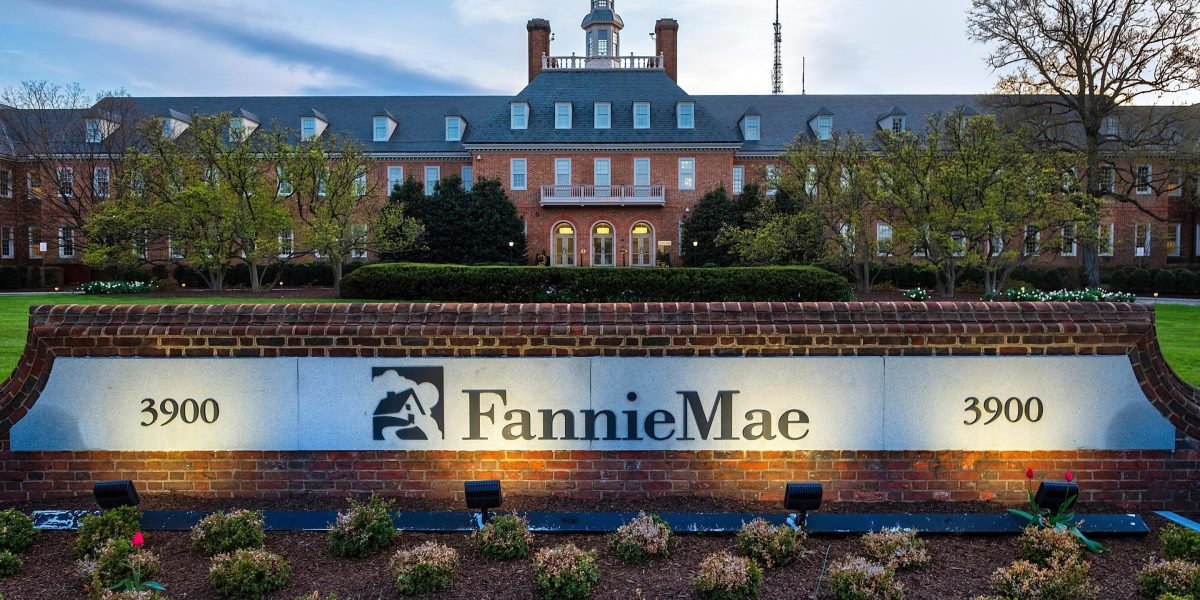


In a striking convergence of cutting-edge technology and political messaging, an advertisement promoting a revitalized Fannie Mae features a voice eerily reminiscent of former President Donald Trump. While the ad’s narrator sounds unmistakably like Trump, a disclaimer reveals it’s an AI-cloned voice, signaling a new frontier in political communication and policy promotion.
The Digital Voice of Policy: A New Era for Fannie Mae
The one-minute ad, which aired recently, was reportedly created with permission from the Trump administration. It champions an “all new Fannie Mae,” positioning the government-sponsored enterprise as the “protector of the American Dream.” This digital endorsement arrives as the administration intensifies its efforts to address voter anxieties surrounding affordability, particularly within the housing sector. The former President himself is slated to discuss housing at the World Economic Forum in Davos, Switzerland, underscoring the issue’s prominence.
This isn’t the first instance of AI voice replication within the Trump family’s orbit. First Lady Melania Trump previously utilized AI technology from Eleven Labs for the audio version of her memoir. The specific entity responsible for cloning President Trump’s voice for the Fannie Mae ad, however, remains undisclosed, with the White House offering no comment on the matter.
Trump’s Ambitious Housing Agenda Unpacked
The ad’s message aligns with Trump’s recent pronouncements on housing reform. Last month, he pledged to unveil “some of the most aggressive housing reform plans in American history.” The digitized voice in the ad echoes this sentiment, stating, “For generations, home ownership meant security, independence, and stability. But today, that dream feels out of reach for too many Americans not because they stopped working hard but because the system stopped working for them.”
Reforming the Mortgage Giants
Fannie Mae and its counterpart, Freddie Mac, have operated under government conservatorship since the 2008 financial crisis. These entities are crucial to the U.S. housing market, purchasing mortgages from banks to ensure liquidity and guaranteeing roughly half of the nation’s $13 trillion home loan market. The ad suggests a future where Fannie Mae collaborates more closely with the banking industry to broaden mortgage approvals for prospective homebuyers.
Bold Proposals and Retreats
Discussions around the future of Fannie Mae and Freddie Mac have also included proposals from Trump and Federal Housing Finance Agency head Bill Pulte to sell shares of the firms on a major stock exchange, though concrete plans are yet to materialize. Another notable idea floated by Trump and Pulte was the extension of the traditional 30-year mortgage to 50 years, aimed at reducing monthly payments. However, this proposal faced significant criticism, with detractors arguing it would diminish homeowners’ ability to build equity and wealth, leading Trump to seemingly withdraw his support.
Further initiatives from Trump include a social media announcement earlier this month to direct the federal government to purchase $200 billion in mortgage bonds, a move intended to lower mortgage rates. He indicated that Fannie Mae and Freddie Mac’s existing cash reserves would fund this acquisition. Additionally, Trump has expressed a desire to block large institutional investors from buying houses, believing such a ban would facilitate homeownership for younger families.
AI in the Political Arena: A Double Standard?
The use of AI to replicate President Trump’s voice presents an interesting paradox, given his past criticisms regarding the use of autopen technology by aides in the Biden administration. Trump has previously voiced concerns about autopen being used to apply the former president’s signature to official documents without his direct involvement. An autopen, a mechanical device for signature replication, differs technologically from AI voice cloning, yet both touch upon the authenticity and direct involvement of a leader in official communications. While a report by House Republicans found no concrete evidence of autopen misuse by the Biden administration, the juxtaposition highlights the evolving ethical considerations surrounding technology’s role in political messaging and leadership.
As AI continues to advance, its integration into political campaigns and policy dissemination raises questions about transparency, authenticity, and the very nature of public engagement. The Fannie Mae ad serves as a potent example of this unfolding reality, where the lines between human and synthetic communication become increasingly blurred.
For more details, visit our website.
Source: Link