
For nearly two decades, the World Economic Forum in Davos has been a constant fixture on the global calendar, a snowy Alpine stage where the world’s most influential figures converge. This year, however, the traditional “Spirit of Dialogue” theme faces an unprecedented test, threatened by a rising tide of confrontational rhetoric and geopolitical upheaval.
Davos: A Unique Global Crucible
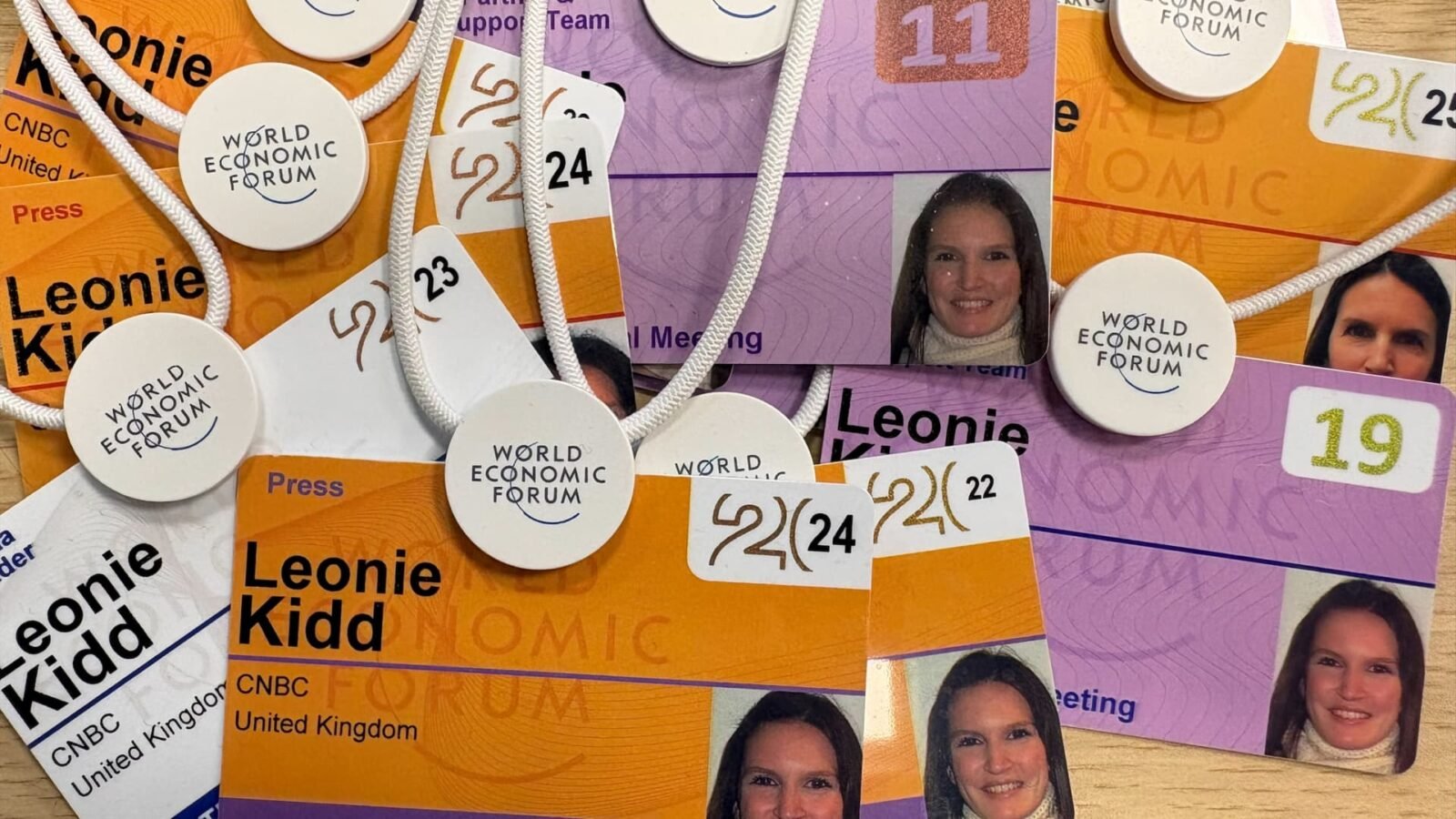
Since 2009, my journey covering the World Economic Forum has evolved from that of a young news assistant to an experienced observer. Yet, the thrill of attending remains undimmed. Davos is more than just a conference; it’s a unique confluence of world leaders, titans of industry, and a sprinkling of celebrity, all navigating the picturesque, yet often politically charged, streets of this Swiss ski resort. It consistently stands as CNBC International’s most significant outside broadcast, a testament to its enduring importance.
Echoes of History, Harbingers of Change
Over the years, Davos has mirrored the world’s tumultuous journey. I’ve witnessed the fallout from the Great Financial Crisis, the European debt crunch, the Arab Spring’s surge, the rise and fall of Russia, the shadow of the Covid-19 pandemic, and now, the profound reordering of the global landscape post-World War II. While opinions on this annual gathering vary wildly, one truth persists: it is never, ever dull. And 2026 promises to be no exception.
Geopolitical Storm Clouds Gather Over the Alps
A palpable tension hangs in the air as leaders arrive, particularly amongst nations that traditionally consider themselves allies. U.S. President Donald Trump’s actions in early 2026 have sent shockwaves across the international community, challenging long-standing sovereignties and alliances. His latest threat to impose tariffs on European nations for their stance on Greenland has ignited sharp condemnation from Brussels to Paris, and from Copenhagen to Nuuk.
This contentious move is set to intensify an already fraught week in Davos. President Trump is scheduled to address the Forum on Wednesday, a speech that will be closely scrutinized as the global community grapples with the ramifications of his policies in Venezuela, his unyielding approach to Iran, and the slow progress towards a peace accord in Ukraine.
Ironically, this year’s WEF theme is “The Spirit of Dialogue.” Yet, the organization’s own Global Risk Report paints a stark picture, warning that “rules and institutions that have long underpinned stability are under siege in a new era in which trade, finance and technology are wielded as weapons of influence.”
NATO’s Future and Global Trade Dynamics
Before President Trump’s highly anticipated address, the Forum will hear from other prominent world leaders. European Commission President Ursula von der Leyen, French President Emmanuel Macron, and Canadian Prime Minister Mark Carney are all expected to underscore the vital role of NATO, an alliance now facing its most significant challenge since its inception. President Trump’s threats regarding military force in Greenland have brought the previously unthinkable – the potential dissolution of NATO – into sharp focus.
Reports suggest a G7 meeting might convene on the sidelines, ostensibly to advance a peace deal between Russia and Ukraine, though the escalating tensions within NATO will undoubtedly dominate discussions. Tuesday will also feature Chinese Vice-Premier He Lifeng, speaking amidst a fragile trade truce with Washington D.C., even as China registered an unprecedented $1 trillion trade surplus in 2025. Corporate giants like Nvidia CEO Jensen Huang, with substantial interests in China, will also be present, navigating an increasingly politicized global business environment.
The Battle for Central Bank Independence
Beyond the geopolitical chess match, another critical debate is poised to ignite the frosty peaks of Davos: the independence of central banks. A global outcry erupted following the U.S. Department of Justice’s announcement of a criminal probe into Federal Reserve Bank Chair Jerome Powell. Powell himself stated that the investigation questions “whether the Fed will be able to continue to set interest rates… or whether monetary policy will be directed by political pressure or intimidation.”
In an astonishing show of solidarity, central bankers worldwide, including ECB President Christine Lagarde and Bank of England Governor Andrew Bailey, issued a joint letter of support for Powell. Former ECB chief Jean-Claude Trichet warned that markets were underestimating the gravity of the situation, labeling it “extremely grave.” This unprecedented challenge to monetary policy autonomy adds another layer of complexity to an already volatile global agenda.
As the world’s elite gather in Davos, the hope remains that cooler heads can indeed prevail, and that genuine dialogue can cut through the rhetoric to address the profound challenges facing our interconnected world.
For more details, visit our website.
Source: Link