

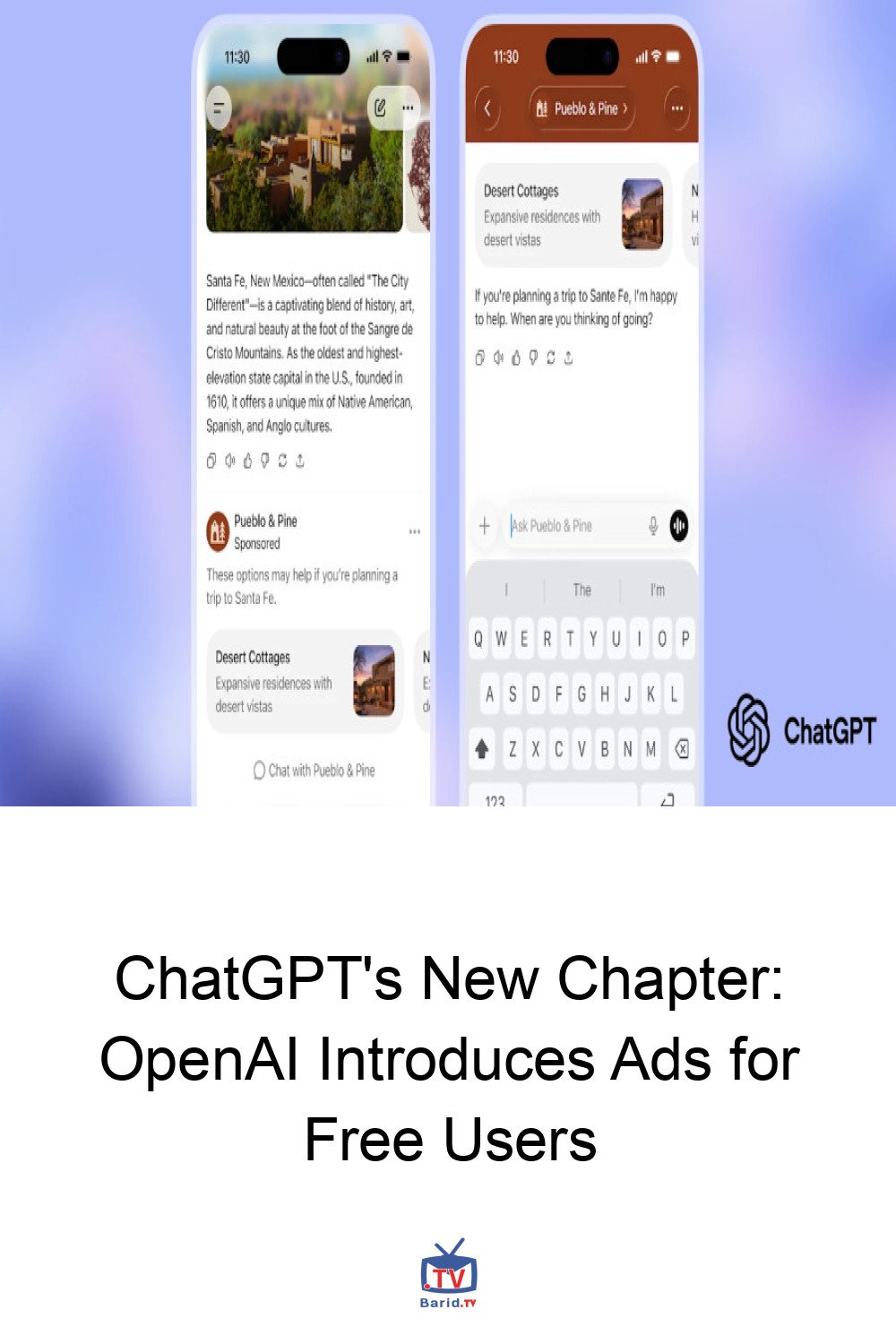
In a significant strategic pivot, OpenAI has announced it will begin displaying advertisements within its popular ChatGPT platform. This move, set to roll out in the coming weeks, will affect logged-in adult users in the U.S. utilizing both the free and ChatGPT Go tiers. The decision marks a notable departure from the company’s previous subscription-centric model, signaling a new era for how the cutting-edge AI chatbot will sustain its massive user base.
The Rationale: Democratizing AGI and Supporting Innovation
OpenAI positions this foray into advertising as a crucial step towards making the benefits of Artificial General Intelligence (AGI) more widely accessible. AGI, the aspirational stage where AI systems can match or exceed human-level intelligence, comes with substantial development and operational costs. By introducing ads, the company aims to offset these expenses while keeping its foundational AI tools available to a broader audience.
Beyond accessibility, OpenAI also highlights the potential for advertising to be “transformative” for small businesses and emerging brands. This new channel could offer a powerful platform for these entities to reach a vast and engaged audience, fostering competition and innovation in the digital marketplace.
User Experience and Unwavering Privacy Commitments
Anticipating user concerns, OpenAI has been quick to emphasize its commitment to user privacy and control. The company assures users that their data and conversations will remain protected and will “never be sold to advertisers.” Furthermore, ads are designed to be relevant and high-quality, with users retaining the ability to turn off personalization if desired.
Key assurances include:
- Ads will not influence the chatbot’s responses.
- User data and conversations will be kept private from advertisers.
- Users will have control over their ad experience.
The advertisements themselves will be clearly labeled and will appear discreetly at the bottom of a user’s conversation. While specific details on data collection for ad targeting remain undisclosed, OpenAI states users will be able to understand why certain ads are shown, dismiss them, and provide feedback.
Tiered Access: Who Sees Ads and Who Doesn’t?
It’s important to note that not all ChatGPT users will encounter advertisements. The more expensive subscription tiers—Plus, Pro, Business, and Enterprise—will remain entirely ad-free, preserving a premium, uninterrupted experience for paying subscribers.
OpenAI has also outlined specific safeguards for the ad rollout:
- Ads will initially be tested at the bottom of answers, appearing when a relevant sponsored product or service aligns with the current conversation.
- Users under 18 (either self-identified or predicted) will not be shown ads.
- Ads are strictly prohibited from appearing near sensitive or regulated topics such as health, mental health, or politics.
Sam Altman’s Evolving Stance: A Necessary Evolution
The decision to embrace advertising marks a significant philosophical shift for OpenAI CEO Sam Altman. In May 2024, Altman famously described ads as “a last resort for us for a business model,” even characterizing “ads plus AI is sort of uniquely unsettling.”
However, the realities of sustaining an AI platform with 800 million weekly active users (as of early October 2025) have evidently prompted a reevaluation. Altman’s current perspective acknowledges that “a lot of people want to use a lot of AI and don’t want to pay,” making an ad-supported model a hopeful solution to bridge this gap and fund the ongoing, costly development of advanced AI.
The Future of AI Monetization
This move by OpenAI is more than just a new revenue stream; it’s a bellwether for the broader AI industry. As AI tools become increasingly ubiquitous, finding sustainable and ethical monetization strategies is paramount. OpenAI’s cautious yet determined step into advertising could pave the way for other AI developers, balancing the desire for widespread access with the imperative for financial viability. It underscores a growing understanding that even revolutionary technology needs a robust business model to thrive and continue its evolution.
For more details, visit our website.
Source: Link