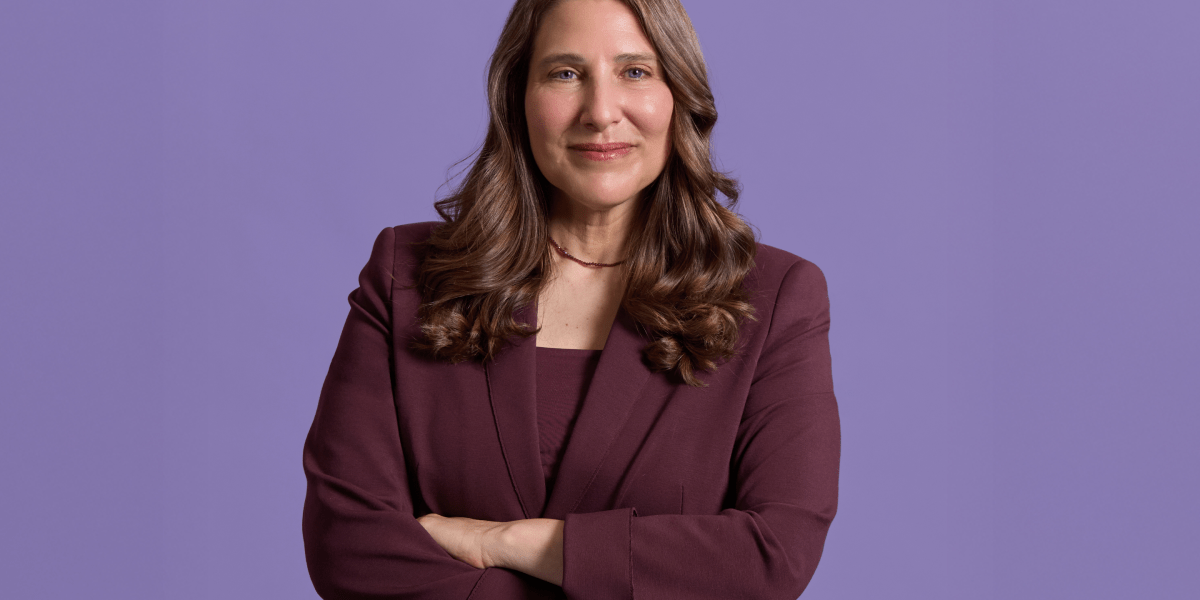


In the high-stakes world of global leadership, the image of the pre-dawn riser and the meticulously scheduled day often dominates. Titans like Nvidia’s Jensen Huang and Apple’s Tim Cook famously adhere to rigid routines, deeming them essential for steering their multi-billion-dollar empires. Yet, Lauren Antonoff, CEO of Life360, offers a refreshing counter-narrative, proving that success doesn’t always demand a relentless, clock-bound grind.
An Organic Approach to Leadership
Antonoff’s professional life isn’t dictated by the minute hand but rather by a broader, more “organic” rhythm that unfolds over the course of a month. Eschewing the typical CEO’s punishingly early start, she often begins her workday around 8:30 a.m., with her schedule largely shaped by her initial meeting. “Every day for me is very different,” she shared with Fortune, emphasizing her commitment to finding time for reflection, reading, and team communication amidst a busy meeting calendar.
This flexibility, Antonoff reveals, is no accident. It’s the direct result of a deliberate and unconventional domestic arrangement that she playfully dubs a “1950s family structure in reverse.”
The ‘Reversed 1950s’ Household: A Foundation for Success
While Antonoff ascended the corporate ladder to lead a tech company boasting an over $7 billion market cap and manages the household’s finances, her husband took on the primary role at home. For years, he was a full-time stay-at-home parent, handling the childcare, cooking, and cleaning. “Our children are now officially adults, but [my husband] did all the child care and all the cooking and cleaning and all of that stuff, and I do, the making the money and paying taxes and that kind of stuff,” Antonoff explained.
This powerful partnership underscores a crucial message for modern families, especially working parents: challenge tradition and embrace what truly works for your unique circumstances. “Giving yourself permission to depart from tradition can be incredibly freeing,” she advises, acknowledging her immense fortune in having both a supportive career and a husband who “doesn’t make me do dishes.”
Beyond Balance: Embracing the ‘Workavert’ Mindset
Despite her flexible schedule, Antonoff is far from disengaged. In fact, she identifies not as an introvert or extrovert, but as a “workavert”—a term she uses to describe someone energized by the work grind. For Antonoff, work and life aren’t separate entities to be balanced; they’re integrated. Her curiosity about business extends beyond office hours, fueling her even when she’s “off the clock,” whether she’s exploring a new company or tackling a problem raised by a family friend.
Other Leaders Redefining Work-Life Paradigms
Antonoff’s perspective resonates with a growing number of high-profile business leaders who openly embrace work-centric lives, often challenging the conventional notion of “work-life balance.”
- Emma Grede: The entrepreneur and investor believes that “extraordinary effort” is intrinsically linked to “extraordinary life,” suggesting that true balance might be an illusion for those aiming for significant success.
- Thasunda Brown Duckett: The TIAA CEO famously calls work-life balance a “lie.” Instead, she advocates for intentional allocation, acknowledging her 100% self is divided, but within each allocation (e.g., 30% for her children), they receive 100% of her focus.
- Jensen Huang: Nvidia’s CEO takes this dedication to an extreme, waking at 4:30 a.m. for emails and constantly thinking about work, even during mundane tasks. He reportedly works seven days a week, including holidays.
These leaders, through their diverse approaches, highlight a shift in how success and personal life are intertwined. Whether it’s Antonoff’s “reversed 1950s” model or Duckett’s intentional allocation, the common thread is a rejection of rigid, one-size-fits-all definitions of work-life harmony. Instead, they champion personalized strategies that empower them to thrive both professionally and personally, on their own terms.
For more details, visit our website.
Source: Link