
Uncle Sam’s Unprecedented Acquisition Spree
In a surprising shift from traditional conservative principles, the Trump administration has embarked on an aggressive acquisition spree, directly investing in a diverse array of private companies. This bold strategy, which has seen the U.S. government take stakes in 14 firms across sectors like steel, rare earth minerals, semiconductors, and nuclear energy, signals a new era of state involvement in the private sector. The latest frontier in this expanding portfolio? Venezuela’s beleaguered oil industry.
Venezuela: The Next Frontier for Government Stakes?
The prospect of the U.S. government acquiring stakes in Venezuela’s oil sector has emerged as a “very real possibility,” according to Energy Secretary Chris Wright. Following the U.S. ouster of Venezuelan leader Nicolás Maduro, the administration is actively exploring opportunities, with Wright at the forefront of efforts to entice Western oil executives to invest in the South American nation. This move, however, is fraught with complexities, not least due to Venezuela’s history of state-backed confiscation under previous regimes.
A Conservative Conundrum: Free Markets vs. Government Ownership
The Trump administration’s pivot towards direct corporate ownership has ignited a fierce debate within the Republican party. Many conservatives, long champions of free-market principles, view these actions as anathema to their core ideology. Senator Thom Tillis of North Carolina articulated this concern, questioning how such a stance could be considered conservative and warning of a “slippery slope” where government stakes could effectively negate the influence of other board members.
The Shadow of Confiscation: Venezuela’s Troubled Past
Any U.S. investment in Petróleos de Venezuela (PDVSA), the state-owned oil company, would necessitate navigating a post-Maduro government still largely composed of authoritarian officials. Venezuela’s history of expropriation, dating back to Hugo Chávez’s presidency, casts a long shadow. Instances like the whimsical confiscation of jewelry stores and the nationalization of the oil sector in 2007, which led ExxonMobil and ConocoPhillips to exit and sue, highlight the significant risks involved.
Industry Skepticism: ‘Uninvestable’ Conditions
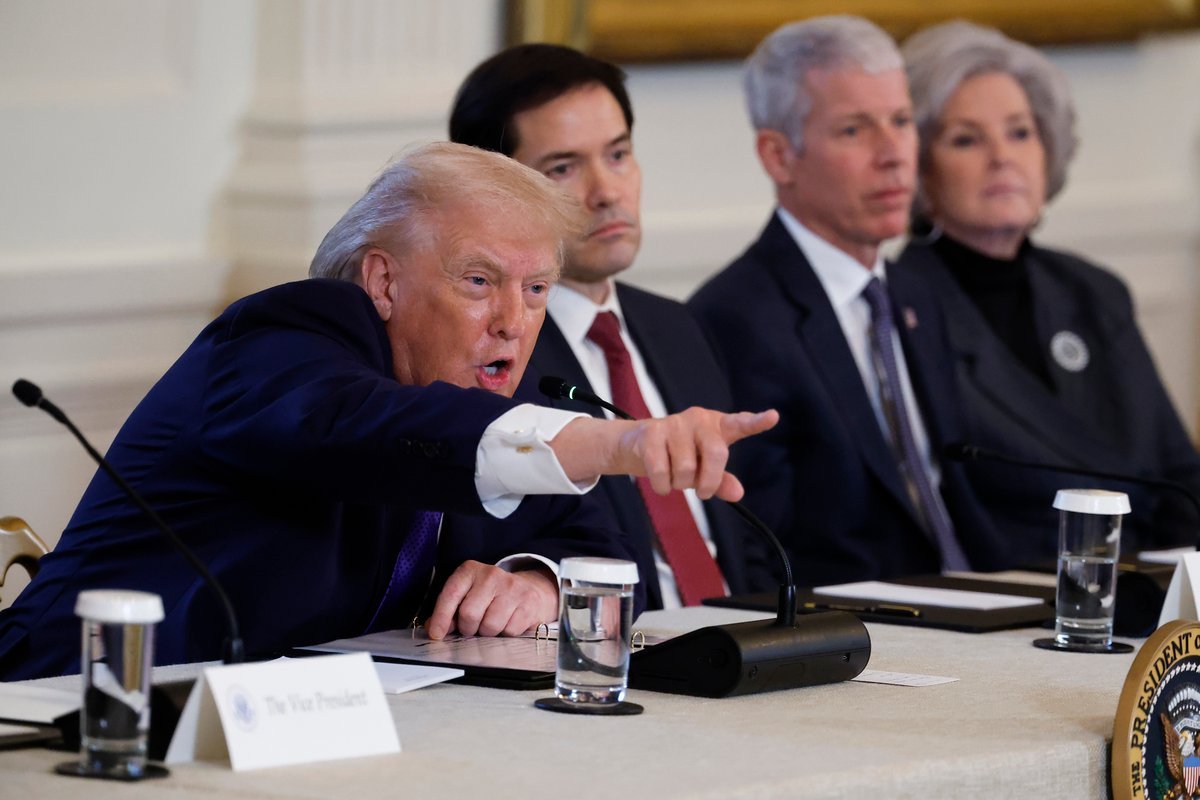
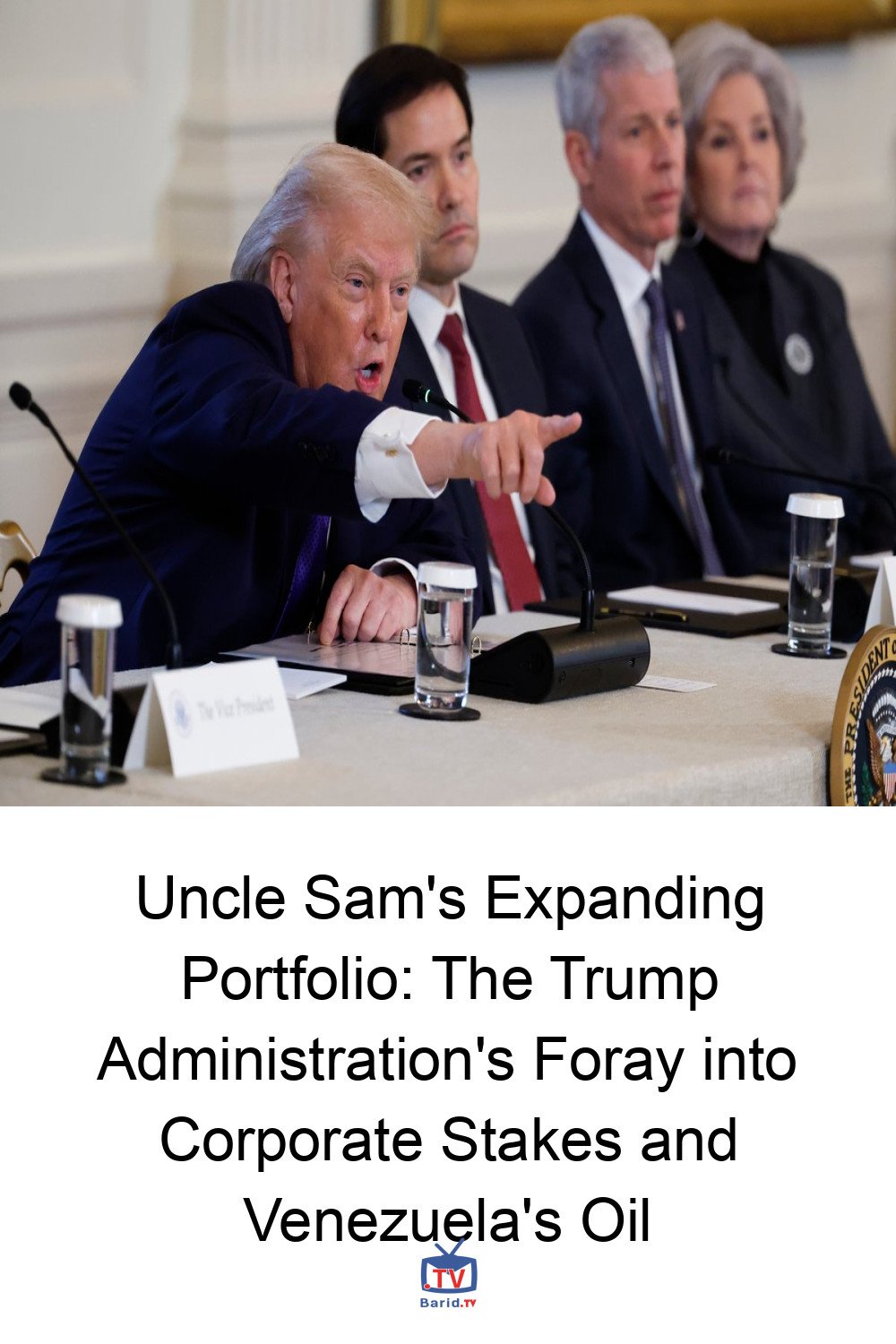
Despite the administration’s enthusiasm, major Western oil executives remain largely unswayed. At a recent White House meeting, ExxonMobil CEO Darren Woods bluntly described current conditions in Venezuela as “uninvestable.” This frank assessment reportedly angered President Trump, who, left without a signature business deal, subsequently flirted with penalizing ExxonMobil and issued an executive order to protect Venezuelan oil revenue in U.S.-held accounts from creditor claims.
Conditions for Investment: Stability, Rule of Law, and Security
The American Petroleum Institute (API), the leading lobbying group for the U.S. oil sector, has made it clear that financial support from the federal government is not what the industry seeks. Instead, API President Mike Sommers emphasized the critical need for a stable government, secure working conditions for American personnel, and the robust establishment of rule of law and capitalism. He poured cold water on the idea of U.S. government stakes, identifying Lake Maracaibo and the Orinoco Belt as prime areas of interest, provided these fundamental conditions are met.
As the Trump administration continues its unconventional approach to economic policy, the question of Uncle Sam’s role as a shareholder, particularly in volatile regions like Venezuela, remains a complex and contentious issue, challenging long-held political and economic doctrines.
For more details, visit our website.
Source: Link