
In a surprising twist for a company often perceived as trailing in the AI race, Apple has continued its formidable reign in smartphone sales. Yet, beneath the surface of robust iPhone demand lies a critical strategic pivot: the integration of Google’s Gemini models to power a long-awaited, smarter Siri. This move, while securing a path forward for Apple Intelligence, marks a significant departure from the company’s long-held philosophy of owning core technologies, setting the stage for Apple’s most crucial AI challenge yet.
The Rocky Road to Apple Intelligence
The year 2024 was meant to herald a new era for Apple with the launch of “Apple Intelligence” alongside the iPhone 16. However, the rollout was anything but smooth. The iPhone 16, boldly marketed as “Built for Apple Intelligence,” shipped conspicuously without its namesake features. Months passed with incremental updates, but the promised “smarter Siri” remained elusive. Internally, Apple executives acknowledged a return to the drawing board, leading to leadership reshuffles and a public perception of a significant misstep in the company’s ambitious AI endeavors.
iPhone Sales Soar, AI Stalls
Despite the embarrassing stumbles in its AI strategy, Apple’s core business remained unshaken. While the tech world debated Apple’s AI shortcomings, the company continued its unparalleled success in selling iPhones. Industry reports paint a clear picture: IDC’s Q3 2025 report highlighted “robust demand” for the new iPhone 17 lineup, with pre-orders outstripping previous generations. Counterpoint Research further solidified Apple’s position as the global smartphone “market leader” in 2025, boasting a 10 percent year-over-year growth in market share. Interestingly, Apple Intelligence received significantly less prominence in the iPhone 17’s marketing, almost an afterthought on its product page, suggesting a strategic downplay of its troubled AI initiative.
A Strategic Pivot: The Gemini Infusion
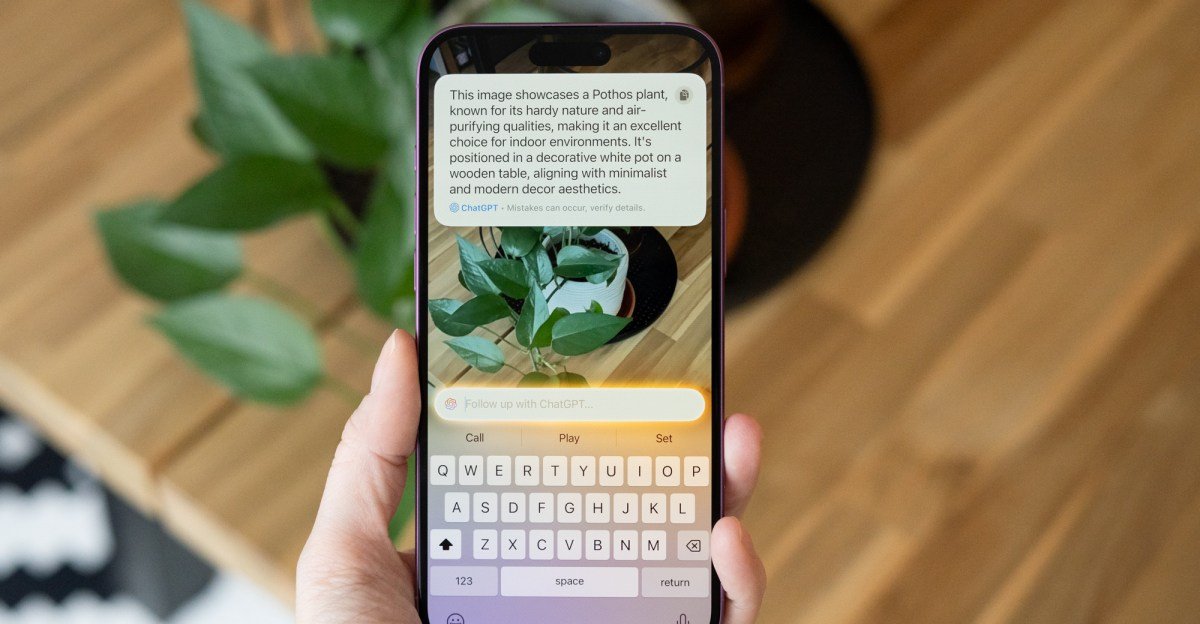
The tech industry, and investors in particular, have an insatiable appetite for AI news. Apple, needing a coherent strategy beyond mere stalling, began exploring external partnerships in the latter half of 2025. While Apple had previously allowed direct access to third-party LLMs like ChatGPT within iOS, this week’s announcement goes far beyond a simple app integration. The deal with Google is about embedding Gemini’s powerful models directly into the fabric of Siri, running within Apple’s Private Cloud Compute. This means that when a truly smarter Siri finally arrives, it will carry significant Gemini DNA, fundamentally altering Apple’s approach to its virtual assistant.
The “Own and Control” Dilemma
From a purely business perspective, this partnership could be seen as a pragmatic move, allowing Apple to leverage Google’s advanced AI capabilities without the immense R&D investment of building from scratch. However, it raises fundamental questions about Apple’s long-standing philosophy. Tim Cook’s own words from a 2009 earnings call resonate: “We believe that we need to own and control the primary technologies behind the products we make…” This principle underpinned Apple’s successful push into proprietary silicon. The Gemini deal suggests two possibilities: either Apple no longer considers AI models a “primary technology” but rather an underlying service, or it has made a profound misjudgment regarding AI’s role as the next transformative platform, risking a significant lag behind competitors.
Beyond the Models: The True Test for Siri
Apple has never controlled every component of the iPhone ecosystem, relying on external partners for search engines, wireless networks, and social media platforms. The question now is whether AI will fall into this category—a crucial but not “core identity” component. There are hints of this shift, such as Apple’s apparent move from its own App Intents framework towards Anthropic-developed MCP for agentic features. If the effectiveness of AI hinges on finding the right “hooks” to accomplish tasks, then the underlying models might indeed matter less than the user experience built around them. This brings us to the ultimate challenge: transforming Apple Intelligence into a product people genuinely desire, not one they are indifferent to. Siri, currently often relegated to a glorified timer, must evolve into the intelligent assistant Apple has long promised.
The Real Work Starts Now
Apple’s unparalleled ability to craft beautiful, intuitive products is undeniable. But can it achieve this level of excellence and user engagement without full control over its foundational AI models? Can it innovate faster than rivals like Google, or even former design chief Jony Ive’s new ventures, who are all vying for dominance in the AI landscape? The deal with Google may be signed, but the true battle for Apple’s AI future—and the relevance of Siri—has only just begun.
For more details, visit our website.
Source: Link