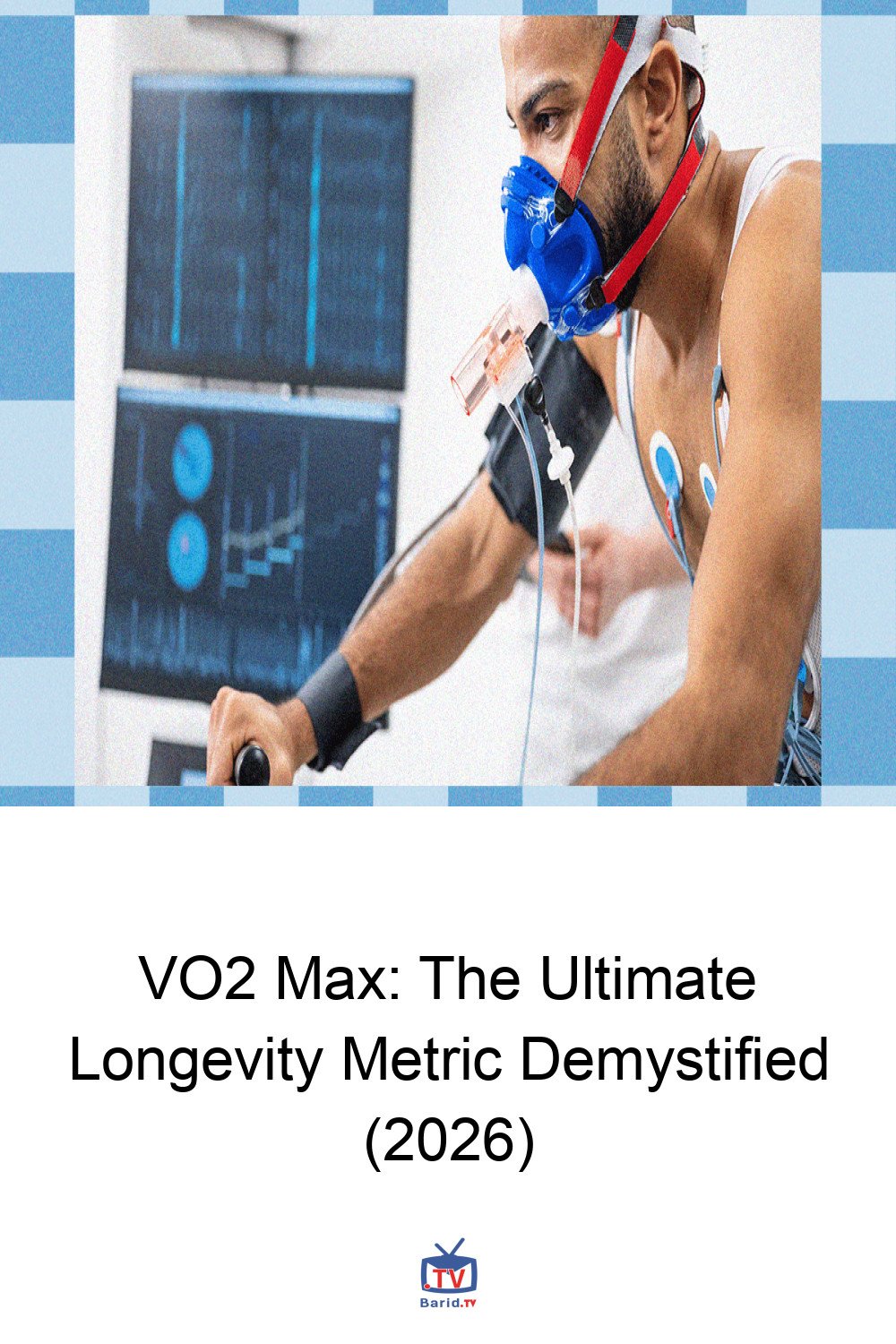
Once confined to the hallowed halls of research labs and the intense training regimens of elite athletes, VO2 max — short for maximal oxygen uptake — has burst into the mainstream. This seemingly intimidating term represents a remarkably straightforward biometric: it’s a measure of how efficiently your body utilizes oxygen during peak exertion. Since the 1950s, it has stood as the undisputed gold standard for assessing cardiorespiratory fitness, guiding coaches to optimize the performance of top-tier skiers, runners, and cyclists.
Today, VO2 max is a hot topic, appearing on fitness trackers, longevity podcasts, and in wellness clinics promising to quantify your fitness level. My own encounter with this metric last year at Canyon Ranch’s Performance Lab Center was an unforgettable, if somewhat grueling, experience. Fitted with a heart rate monitor and a rather imposing, Darth Vader-esque mask at 8 AM, I faced a treadmill after a night of minimal sleep and no food. The lab technician steadily increased the speed and incline, pushing me to my absolute limit. There was no motivating music, no hyper-caffeinated instructor; just periodic checks on my perceived exertion, rating my suffering on a scale of one to ten.
The test itself is elegantly simple, if a touch sadistic: as the intensity of your workout escalates, your oxygen consumption rises until it reaches a plateau. This critical point signifies your VO2 max, the absolute ceiling of your aerobic capacity. When my test concluded – precisely when my patience, and legs, gave out – I was informed my results would follow the next day. Still gasping for air, my immediate thought was a nagging doubt: could I have pushed harder? This tantalizing uncertainty is precisely what makes VO2 max such a compelling, and at times maddening, metric.
VO2 Max: The Ultimate Metric for Longevity and Performance
What Exactly is VO2 Max?
“VO2 max is an objective measure of how a human energy system can take in oxygen and utilize it during exercise,” explains Elizabeth Gardner, an associate professor of orthopedic surgery at Yale University School of Medicine. While your body constantly consumes oxygen for energy, VO2 max specifically captures the maximum amount your system can use when you’re working at your hardest. A high VO2 max indicates superior efficiency: your heart and lungs excel at delivering oxygen-rich blood to your muscles, and your muscles are adept at extracting that oxygen to generate adenosine triphosphate (ATP), the body’s energy currency.
More Than Just Fitness: A Predictor of Longevity
Beyond athletic prowess, VO2 max holds profound implications for long-term health. “It’s the best predictor we currently have for premature mortality,” states Malene Lindholm, an exercise physiologist and senior research engineer at Stanford Cardiovascular Medicine. Elevated VO2 max levels are strongly correlated with a reduced risk of cardiovascular disease, type 2 diabetes, stroke, and even certain cancers. The benefits extend beyond disease prevention, encompassing improved sleep quality, enhanced mood, and a higher overall quality of life.
For those dedicated to peak performance and endurance sports, VO2 max is an invaluable tool. “It’s especially useful for anyone serious about peak performance and endurance sports,” notes Tyler McQuality, associate director of the Center for Sports Innovation at Illinois Tech University. “There are certain intervals you can run based on VO2 max pacing and effort.”
Factors Influencing Your VO2 Max
Several elements contribute to your VO2 max, including genetics, sex, and body composition. It also naturally declines with age, typically by about 2 percent per year after age 30. However, the encouraging news is that VO2 max is highly trainable. Consistent endurance training and high-intensity interval exercises can significantly boost your VO2 max and mitigate its age-related decline. The metric is quantified in milliliters of oxygen per kilogram of body weight per minute of exercise (mL/kg/min). “We measure it relative to body weight because it’s our own bodies that have to produce energy to move around,” Lindholm clarifies.
Unlocking Your Aerobic Potential: How VO2 Max is Measured
The Gold Standard: Lab Testing
The most precise method for determining VO2 max is through a supervised test in a performance lab. In this clinical environment, you’ll wear a heart rate monitor and a specialized mask that meticulously analyzes the oxygen you inhale and the carbon dioxide you exhale while exercising, typically on a treadmill or stationary bike. Following a brief warm-up, the intensity – speed and incline on a treadmill, or resistance on a bike – is progressively increased in stages until you can no longer continue.
“Most people prefer the treadmill because it’s usually easier to push yourself to the max,” says Lindholm. Running engages a greater number of muscle groups than cycling, which can result in slightly higher VO2 max values. For athletes, testing protocols are often tailored to their specific sport; rowers might use indoor rowing ergometers, while cross-country skiers often test on rollerski treadmills.
Throughout the test, each breath is analyzed to calculate oxygen consumption (VO2) and carbon dioxide output (VCO2). Your VO2 max is reached when oxygen consumption plateaus despite increasing effort. In practice, this moment is unmistakable: breathing becomes rapid and shallow, your legs burn intensely, and speaking more than a word or two becomes nearly impossible. Labs often employ additional criteria, such as reaching a specific percentage of your maximum heart rate or a respiratory exchange ratio (RER) exceeding 1.1, to confirm a true maximal effort.
For more details, visit our website.
Source: Link