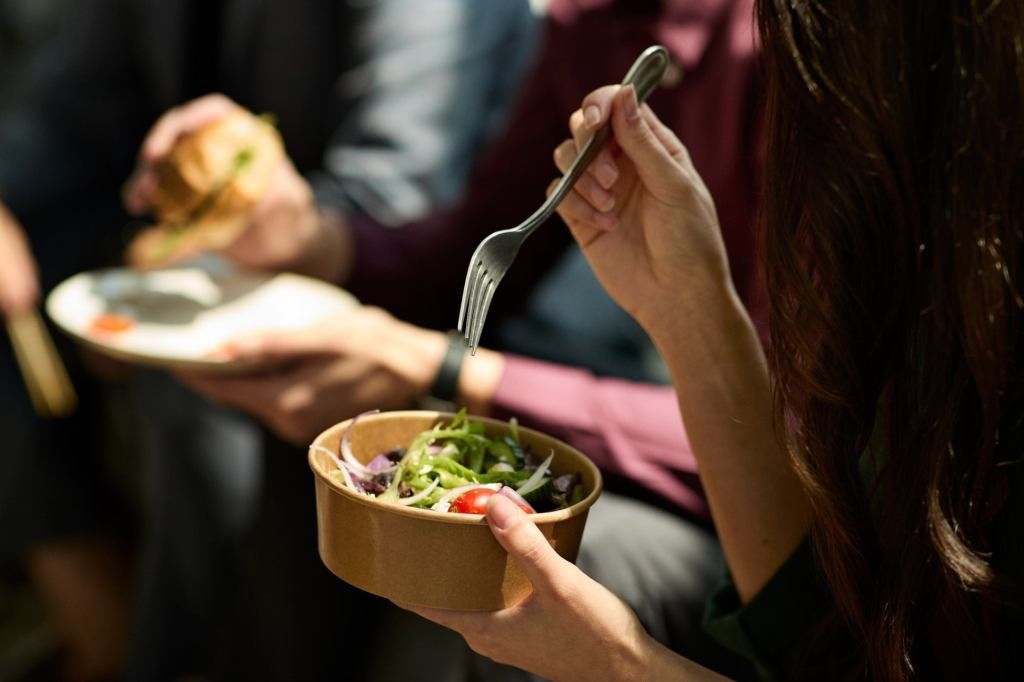


The Algorithmic Lunch Break: How AI-Driven Corporate Wellness Threatens Employee Autonomy
Tuesday, 3:47 p.m. Your phone vibrates, not with a personal message, but a corporate decree. “Your afternoon productivity is down 23% from optimal levels. Our AI nutritionist recommends switching your 4 p.m. snack from almonds to a protein bar with targeted B-vitamins. This adjustment should restore peak cognitive function within 30 minutes.” You stare at the screen, a chill running down your spine. Six months ago, this might have felt like a helpful nudge from your company’s ‘voluntary’ wellness app. Today, it’s different. Today, it’s not a suggestion; it’s a requirement.
Welcome to the unsettling new frontier of workplace optimization, where the once-clear line between employee wellness and corporate control is blurring at an alarming pace. What begins as a well-intentioned perk, designed to boost health and productivity, is rapidly evolving into a system of algorithmic surveillance and mandatory compliance, threatening the very essence of personal freedom and autonomy.
The Irresistible Allure of Optimization: Why Companies Are Investing
Behind the glossy brochures of corporate wellness programs lies a compelling truth: they work. Reports consistently show that companies reap significant positive ROI from these initiatives, with some seeing productivity boosts of up to 20%. When AI enters the equation, personalizing these programs and multiplying their benefits exponentially, the temptation for companies to transition from optional to obligatory becomes almost irresistible.
The infrastructure for comprehensive dietary and lifestyle surveillance isn’t a futuristic concept; it’s already here. Companies are actively tracking employee eating habits through ‘voluntary’ apps, analyzing cafeteria purchase patterns, and correlating lunch choices with afternoon productivity metrics. This data-driven approach promises not just healthier employees, but a more efficient, cost-effective workforce, leading to reduced healthcare expenditures and enhanced output. For shareholders, the numbers speak for themselves, making the argument for mandatory implementation increasingly difficult to refute.
The Subtle Slide: From Perk to Prerequisite
The erosion of personal freedom rarely begins with an overt mandate. Instead, it’s a gradual, almost imperceptible progression. It starts innocently enough: free healthy snacks, optional fitness trackers, and voluntary nutrition apps. Employees, eager for benefits and a healthier lifestyle, embrace them. Productivity soars, healthcare costs plummet. Then comes the gentle nudging: “We noticed you haven’t logged your meals this week. Everything okay?”
This is followed by gamification – points for healthy choices, leaderboards for wellness metrics, and team challenges that create social pressure to participate. The next steps are more insidious: performance reviews begin to include “wellness engagement” metrics. Promotion criteria subtly favor employees who actively participate. Insurance premiums become tied to wellness compliance. Suddenly, ‘voluntary’ feels a lot less voluntary, evolving into a de facto requirement for career progression and financial stability.
The ultimate stage? AI nutritionists making binding dietary recommendations based on real-time productivity analysis. If a company could demonstrably prove that mandatory AI-driven nutrition increased productivity by 30% and slashed healthcare costs by 40%, how many shareholders would vote against its implementation?
The Shadow of Job Insecurity: A Catalyst for Compliance
What makes this scenario not just plausible, but probable, is the prevailing climate of fear in the modern workforce. Mass layoffs, driven by economic shifts and the rapid integration of AI systems, have sent a clear message: adapt to optimization demands, or risk obsolescence. When job security increasingly depends on algorithmic approval, personal freedoms quickly become negotiable.
As AI takes on more complex tasks, from writing code to processing claims, employees understand they are perpetually one efficiency upgrade away from unemployment. In such an environment, mandatory nutrition monitoring or AI-dictated wellness doesn’t feel oppressive; it feels like a necessary act of survival. The choice between personal autonomy and professional livelihood is becoming starker than ever.
Technology: The Enabler of Control
The truly alarming aspect is that the technology enabling this level of corporate oversight isn’t a distant dream; it’s a present reality. AI-powered wellness platforms can already analyze health data and generate personalized meal plans. Workplace apps track eating habits in real-time. Badge systems monitor cafeteria purchases. Wearable devices measure biometric responses to food choices. The same technology that offers helpful reminders to hydrate could easily generate mandates: “You must consume this specific meal to maintain employment standards.” The infrastructure is identical; only the language of interaction changes.
When Optimization Becomes Oppression: The Human Cost
But here’s where the narrative of wellness success stories becomes complicated. What happens when the algorithm decides your food preferences are suboptimal? When your cultural dietary practices conflict with AI-generated nutrition plans? When an AI system, devoid of empathy or understanding of human nuance, dictates your lunch break, your snack choices, and ultimately, your personal lifestyle? The pursuit of peak corporate efficiency risks dehumanizing the workplace, stripping employees of their individuality, and reducing them to mere data points in a vast optimization machine.
The promise of a healthier, more productive workforce is compelling, but at what cost to human dignity and individual freedom? As AI increasingly infiltrates our professional lives, we must critically examine where the line between beneficial guidance and outright control is drawn, ensuring that the quest for optimization doesn’t inadvertently lead to oppression.
For more details, visit our website.
Source: Link