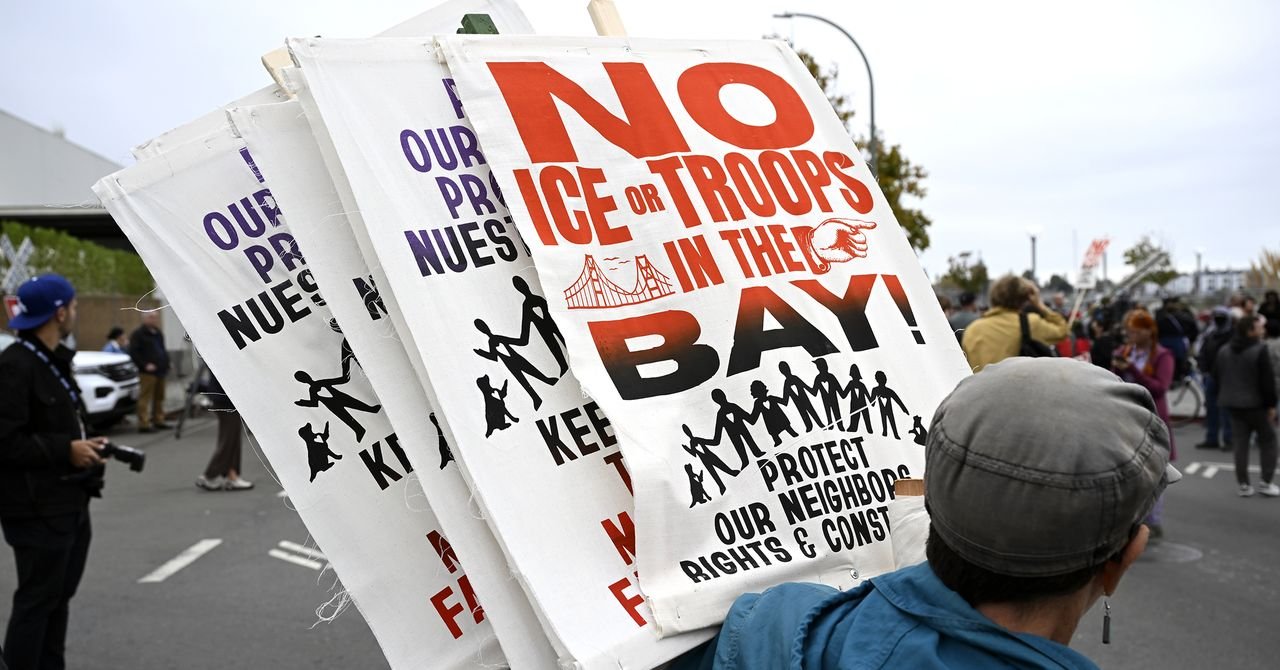

A Stirring in Silicon Valley: Tech Workers Break Rank on ICE
For much of the past year, Silicon Valley’s titans have largely maintained a diplomatic silence, or even offered praise, to the Trump administration. Dinners with officials, lavish gifts, and appeals for market access in China characterized a ‘business as usual’ approach, even as the administration challenged constitutional norms and imposed arbitrary fees on everything from chip exports to high-skilled worker visas. However, a recent, tragic event has ignited a powerful wave of dissent from within the tech sector’s ranks, forcing a reckoning with corporate responsibility and human rights.
The catalyst was the fatal shooting of Renee Nicole Good, an unarmed US citizen, by an ICE agent in Minneapolis last week. This incident has prompted a growing chorus of condemnation from prominent researchers and engineers at companies like Google and Anthropic, who are openly denouncing the killing as callous and immoral. While the most powerful tech CEOs largely remain conspicuously silent as ICE operations intensify across America, their employees are choosing to speak out, challenging the industry’s long-standing reticence on contentious social issues.
The Petition: A Collective Call for Action
More than 150 tech workers have already signed a petition urging their company CEOs to directly contact the White House, demand ICE’s withdrawal from US cities, and publicly condemn the agency’s recent acts of violence. Anne Diemer, a human resources consultant and former Stripe employee who initiated the petition, confirms signatories include employees from Meta, Google, Amazon, OpenAI, TikTok, Spotify, Salesforce, LinkedIn, and Rippling. The group intends to make the full list public once it surpasses 200 names.
“I think so many tech folks have felt like they can’t speak up,” Diemer shared with WIRED. “I want tech leaders to call the country’s leaders and condemn ICE’s actions, but even if this helps people find their people and take a small part in fighting fascism, then that’s cool, too.”
Leading Voices Emerge from the Ranks
The outrage has manifested in powerful individual statements. Nikhil Thorat, an engineer at Anthropic, articulated his profound distress in a lengthy post on X, stating that Good’s killing had “stirred something” within him. He lamented, “A mother was gunned down in the street by ICE, and the government doesn’t even have the decency to perform a scripted condolence.” Thorat went further, suggesting that the moral fabric of modern society is “infected, and is festering,” drawing a stark parallel to a “cosplay” of Nazi Germany, where fear often silenced dissent.
Jonathan Frankle, chief AI scientist at Databricks, publicly endorsed Thorat’s sentiments. Shrisha Radhakrishna, chief technology and chief product officer of real estate platform Opendoor, echoed the sentiment, calling Good’s death “not normal. It’s immoral. The speed at which the administration is moving to dehumanize a mother is terrifying.” Other employees from OpenAI and Anthropic also voiced their support for Thorat.
High-Profile Figures Join the Chorus
The ripple effect extended to more established figures within the tech giant Google. Shortly after Good’s death, Jeff Dean, an early Google employee and now chief scientist at Google DeepMind and Google Research, began re-sharing critical posts on X to his 400,000 followers. These posts targeted the Trump administration’s immigration tactics, including one that questioned the justification of deadly force against moving vehicles.
Dean himself weighed in on January 10, writing, “This is completely not okay, and we can’t become numb to repeated instances of illegal and unconstitutional action by government agencies. The recent days have been horrific.” He further highlighted the issue by linking to a video depicting the violent arrest of a US citizen teenager at a Target in Minnesota.
Even some CEOs and venture capitalists, typically more aligned with the establishment, have expressed concern. Aaron Levie, CEO of cloud storage company Box, challenged US Vice President JD Vance’s assertion that Good attempted to run over the ICE agent. Levie questioned, “Why is he shooting after he’s fully out of harm’s way (2nd and 3rd shot)? Why doesn’t he just move away from the vehicle instead of standing in front of it?” He supported his argument with a screenshot of Justice Department guidelines on law enforcement interaction with moving vehicles.
Venture capitalist Jason Calacanis, co-host of the popular All In podcast, also weighed in, suggesting that “masked unidentified federal agents asking people for their ‘papers’ are breaking the 4th amendment.”
A Shifting Landscape for Tech Activism?
The tech sector’s engagement with sociopolitical crises has historically been inconsistent. Following George Floyd’s murder six years ago, many large tech companies issued statements against systemic racism and police brutality, pledging to diversify their workforces. However, these commitments often faced criticism for being superficial, with Diversity, Equity, and Inclusion (DEI) initiatives becoming a political battleground rather than a unified corporate objective.
Now, in the wake of Renee Nicole Good’s death and other escalating reports of alleged ICE violence, the current wave of internal dissent suggests a potentially more profound and worker-driven shift. This moment raises questions about whether the tech industry, traditionally focused on innovation and profit, is finally being compelled by its own workforce to take a more definitive and principled stand on human rights and governmental accountability.
For more details, visit our website.
Source: Link