

Stepping into Tomorrow: My Exoskeleton Odyssey at CES
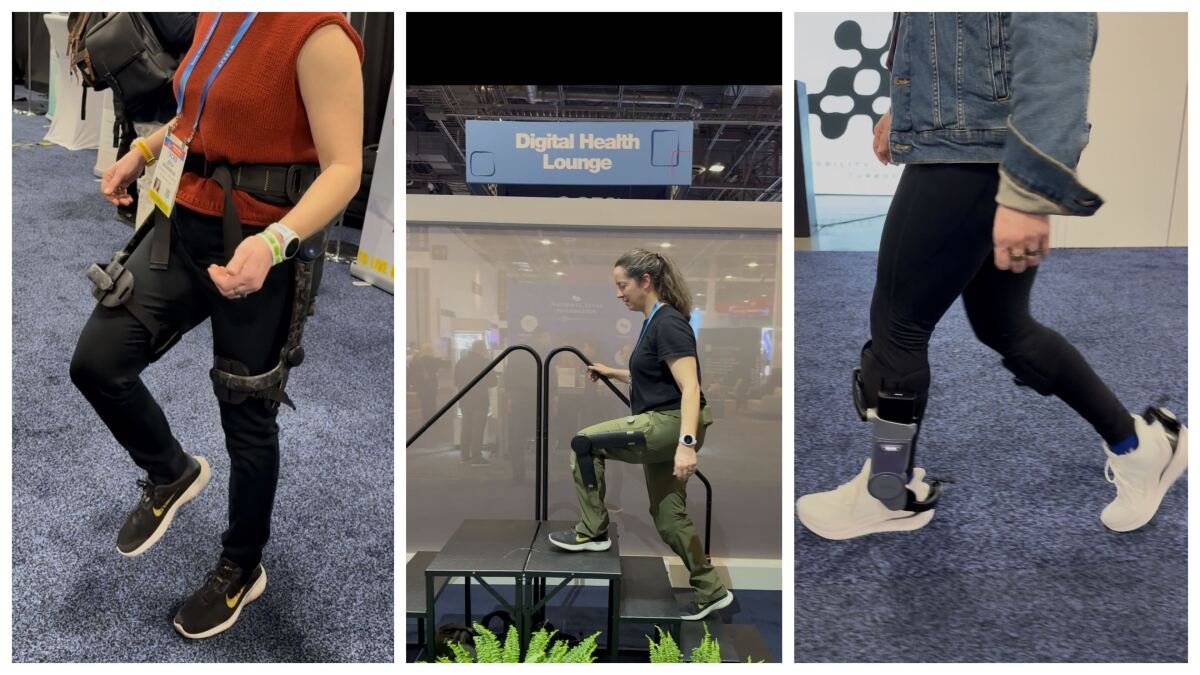
Amidst the dazzling spectacle of innovation at CES in Las Vegas, I embarked on a personal mission: to experience every exoskeleton I could find. These futuristic devices, often depicted in marketing videos aiding hikers up mountains or athletes pushing limits, promised enhanced mobility and reduced fatigue. My quest led me to test six distinct models – four focusing on hip assistance, one on the knee, and another on the ankle.
Initial Skepticism and the “Age Tech” Lens
My interest in exoskeletons first piqued while judging products for the coveted Best of CES awards, specifically within the “age tech” category. Devices designed to bolster mobility for an aging population were certainly contenders. However, a significant question loomed: was consumer-grade exoskeleton technology truly mature enough for widespread adoption? Concerns about safety, reliability, and sheer convenience for everyday use were paramount. Ultimately, no exoskeletons made it to our finalists this year, though I remain optimistic about their future potential.
From Medical Marvel to Fitness Frontier
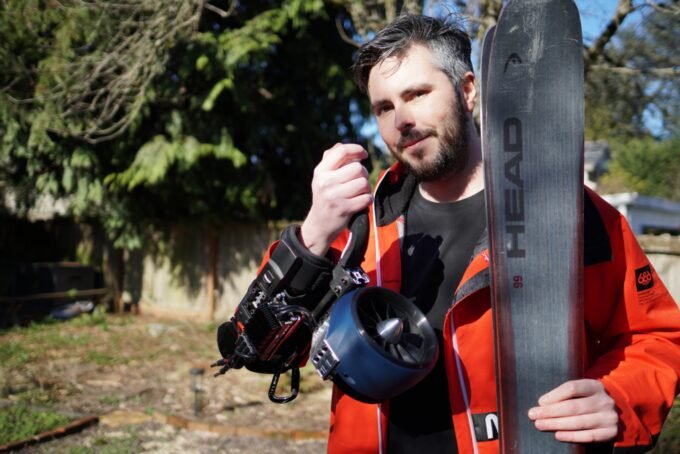
Many companies at CES, such as Ascentiz and Hypershell, were strategically positioning their exoskeletons as cutting-edge fitness technology. Their marketing materials showcased vibrant images of hikers and athletes, suggesting a future where human physical limits could be effortlessly extended. My colleague from CNET, James Bricknell, even took a Hypershell unit for a spin on a nearby canyon trail during CES, reporting that it allowed him to effortlessly keep pace with more seasoned hikers. I even had my own impromptu sprint session in the CNET newsroom hallway with that very same device!
My Hands-On Exoskeleton Review: A Ranked Experience
For those eager to know what these devices felt like, here’s a tour of the exoskeletons I tried, ranked from my least to most favorite. Following this, I’ll share broader reflections on their utility and insights gleaned from an expert in medical-grade exoskeletons used in rehabilitation.
The Underwhelming: WiRobotics WIM-S ($1,905)

My final exoskeleton encounter at CES was with the minimalist WiRobotics WIM-S, and regrettably, it also takes last place in my personal ranking. Having already experienced several effective hip-based units, I had high expectations. While its slim profile and simple design were appealing, the actual performance left much to be desired. During a brief test on a mini staircase at their booth, the WIM-S offered little discernible assistance. Its design, which pushes down on the front of the leg from the hips, felt akin to simply pressing your hand against your knee to stand up – a sensation that didn’t translate into significant power. Currently priced at the equivalent of $1,905 in South Korea, it’s not yet available in the U.S.
A Noticeable Boost: Sumbu ($1,199-$1,999)

My first taste of genuine assistance came from a Sumbu exoskeleton at CES Unveiled. With help, I donned the waist belt and leg cuffs just above my knees. Immediately, I could feel the device actively aiding my leg movements. Jogging in place, I wished for stairs – a wish granted at their main booth in Eureka Park. There, I effortlessly ascended and descended mini stairs, even taking them two at a time, much to the slight surprise of the booth staff. The Sumbu made climbing feel remarkably easy. While its fit and feel were somewhat similar to Ascentiz and Hypershell (making definitive ranking difficult after short tests), Sumbu offers three models: the lightweight S3 ($1,199), the more powerful S3 Pro ($1,499), and the “maximum power” S3 Ultra ($1,999).
Powering My Pace: Ascentiz ($1,499 and up)

Ascentiz presented a modular exoskeleton system, though I only had the opportunity to try their hip module. Hip-assisting exoskeletons were notably prevalent at CES, with four such units crossing my path, compared to just one knee and one ankle model (excluding Ascentiz’s knee option). At its core, an exoskeleton functions by treating a body joint as a hinge. While the knee is a natural hinge, the hip, though capable of multi-directional movement, is typically assisted in forward and backward motion – hip extension and flexion – by these devices. The Ascentiz offered a palpable sense of support, making movement feel more fluid and less strenuous, hinting at its potential for both fitness enthusiasts and those seeking mobility aid.
The Broader Implications: Consumer vs. Medical Exoskeletons
My journey through the world of consumer exoskeletons at CES raised profound questions about their future. While the fitness tech angle is exciting, the underlying technology has deep roots in medical rehabilitation. A conversation with an expert in medical-grade exoskeletons revealed the rigorous standards and tailored applications in physical therapy settings. This contrast highlights the ongoing challenge for consumer devices: balancing robust assistance with user-friendliness, affordability, and broad appeal.
The Future is Afoot
My week of strapping into mechanical assistance offered a fascinating glimpse into a future where technology could augment our natural abilities. While some devices were more impressive than others, the sheer innovation on display was undeniable. As these technologies continue to evolve, the line between assistive device and performance enhancer will blur, promising a world where walking farther, climbing higher, and moving with greater ease becomes a reality for many.
For more details, visit our website.
Source: Link