

Morocco’s Judicial Reform: Over 1,000 Alternative Sentences Issued Amidst Public Debate
Rabat, Morocco – Morocco’s justice system has embarked on a significant reform, recording over 1,000 alternative sentences since a new law on non-custodial penalties came into effect on August 8th. This progressive shift aims to modernize criminal policy, yet it has been met with a spectrum of public reactions, from cautious optimism to pointed criticism regarding its potential socio-economic implications.
A Landmark Step in Justice Modernization
Speaking at the official opening of the 2026 judicial year, themed “Justice in the Service of the Citizen,” Mohamed Abdennabaoui, First President of the Court of Cassation and Delegate President of the High Council of the Judicial Power, revealed that Moroccan courts have issued precisely 1,001 rulings involving alternative sentences. These rulings, spanning up to the end of 2025, have impacted 1,077 individuals, marking a notable departure from traditional incarceration.
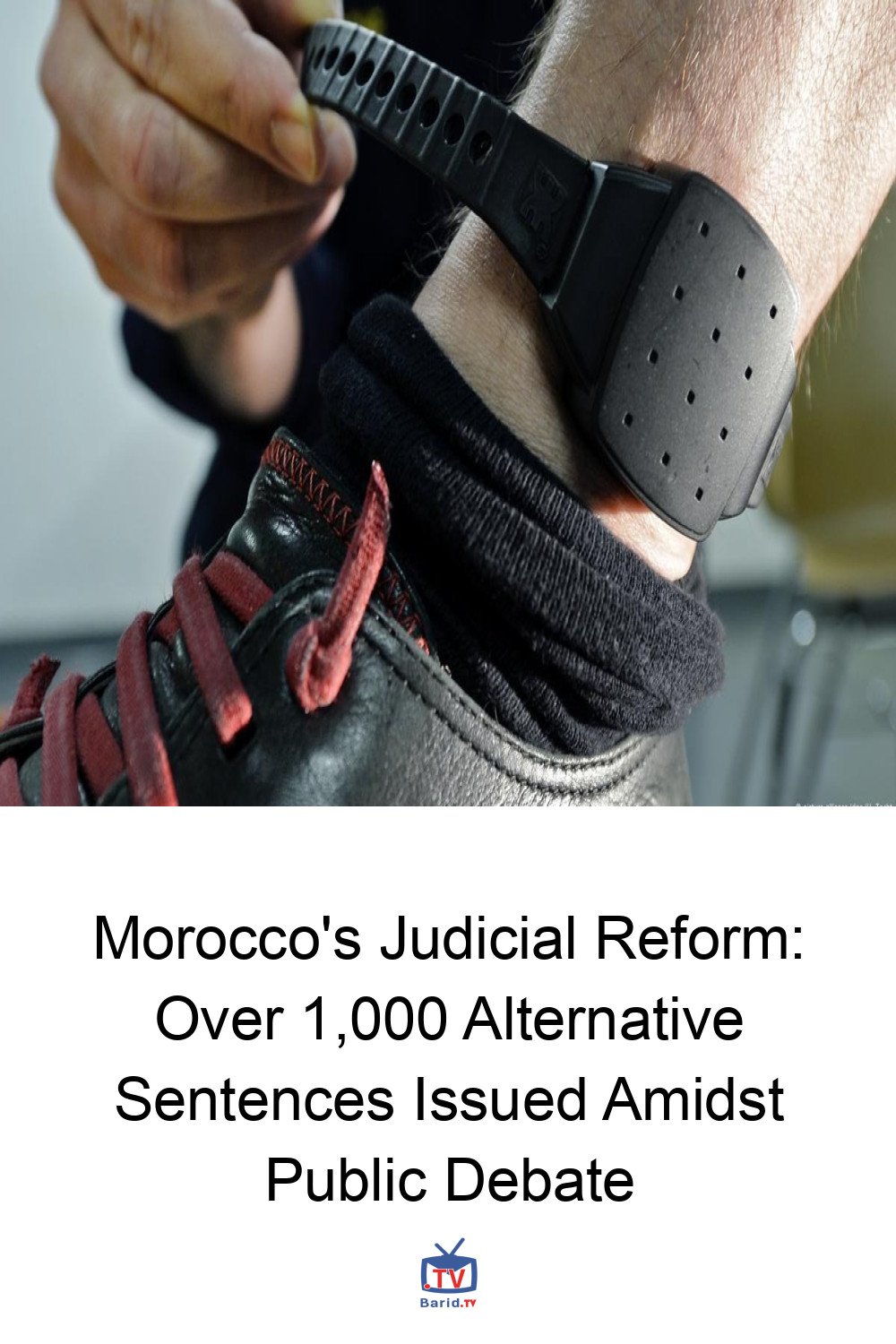
The new framework encompasses a range of alternatives designed to offer more humane and rehabilitative approaches. Daily fines have emerged as the most frequently applied penalty, followed by community service, restrictions on certain rights, and various monitoring or rehabilitation measures. Interestingly, electronic monitoring, often seen as a cornerstone of modern alternative sentencing, has seen minimal application, with only seven rulings recorded nationwide.
Navigating Challenges and Ensuring Compliance
While the introduction of these alternative penalties signals a forward-thinking approach, the path has not been without its hurdles. Abdennabaoui candidly addressed compliance issues, noting instances where convicted persons failed to adhere to the stipulated conditions or, more concerningly, committed new offenses during their sentence period. These preliminary figures, he emphasized, are crucial for ongoing study and will inform efforts to refine criminal policy, ensuring that alternative penalties effectively deliver their intended security, social, and economic benefits.
The reform also comes against a backdrop of an exceptionally heavy workload for Moroccan courts. In 2025 alone, over four million new cases were registered, adding to hundreds of thousands of pending files. Despite this immense pressure, courts managed to rule on the majority of cases, underscoring the operational demands on the judicial system.
Public Perception: A Divided Discourse
The introduction of alternative penalties has ignited a robust public debate. Proponents laud the reform as a stride towards a more humane and contemporary justice system, aligning Morocco with international best practices. However, a significant portion of the public has voiced strong criticism, primarily centered on concerns about fairness and equity.
Opponents argue that the system, particularly the reliance on daily fines, could inadvertently create a two-tiered justice system. They contend that individuals with greater financial means might disproportionately benefit, able to pay fines and avoid incarceration, while less affluent defendants may not have access to the same advantages, potentially exacerbating existing socio-economic disparities within the justice system.
The Road Ahead for Moroccan Justice
As Morocco continues to implement and evaluate this pivotal judicial reform, the preliminary data and public discourse highlight the complex balance between modernization, rehabilitation, and ensuring equitable justice for all citizens. The ongoing study of these figures will be instrumental in shaping the future trajectory of alternative penalties, aiming to solidify their role in a justice system truly in the service of its people.
For more details, visit our website.
Source: Link