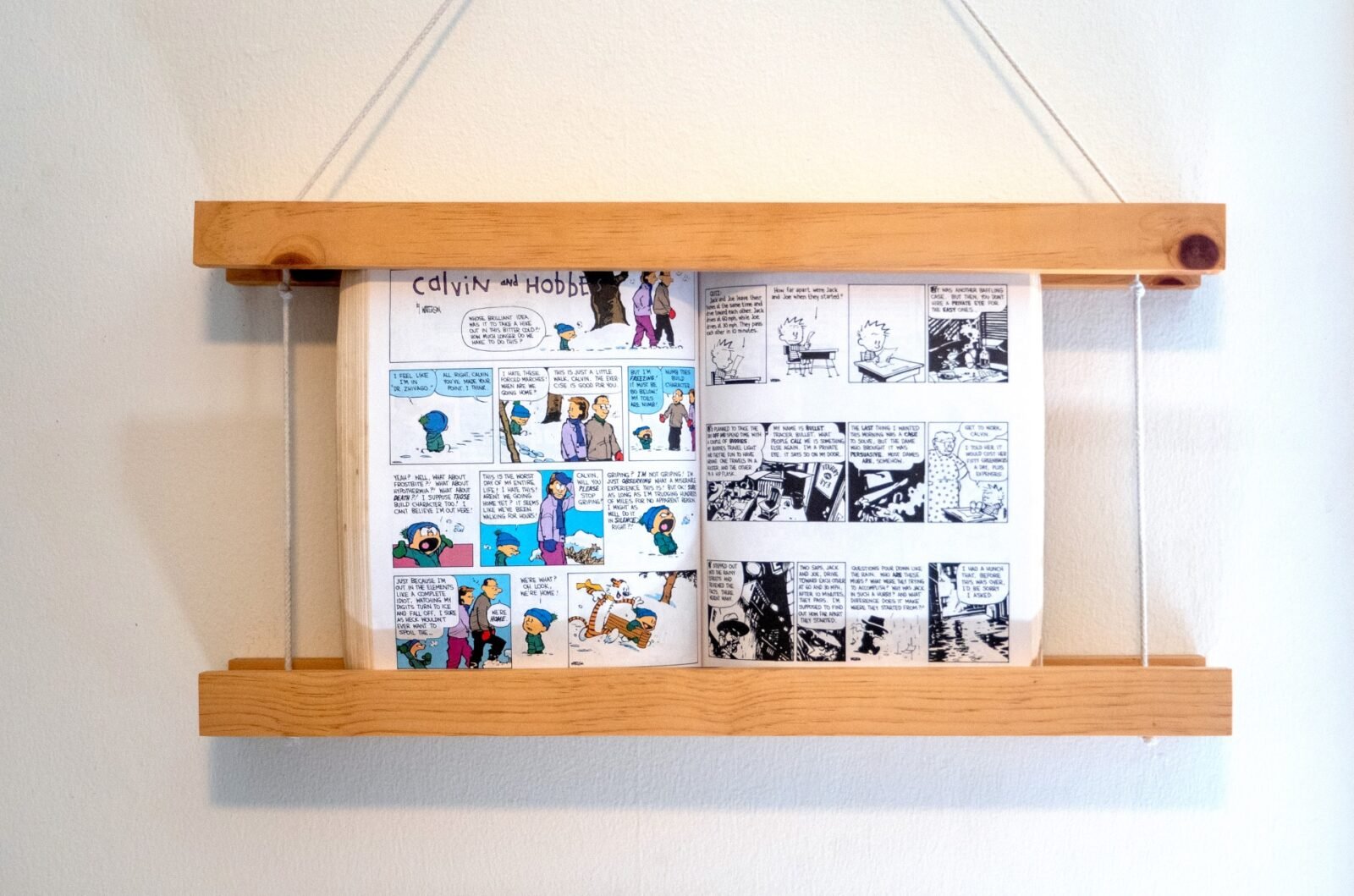

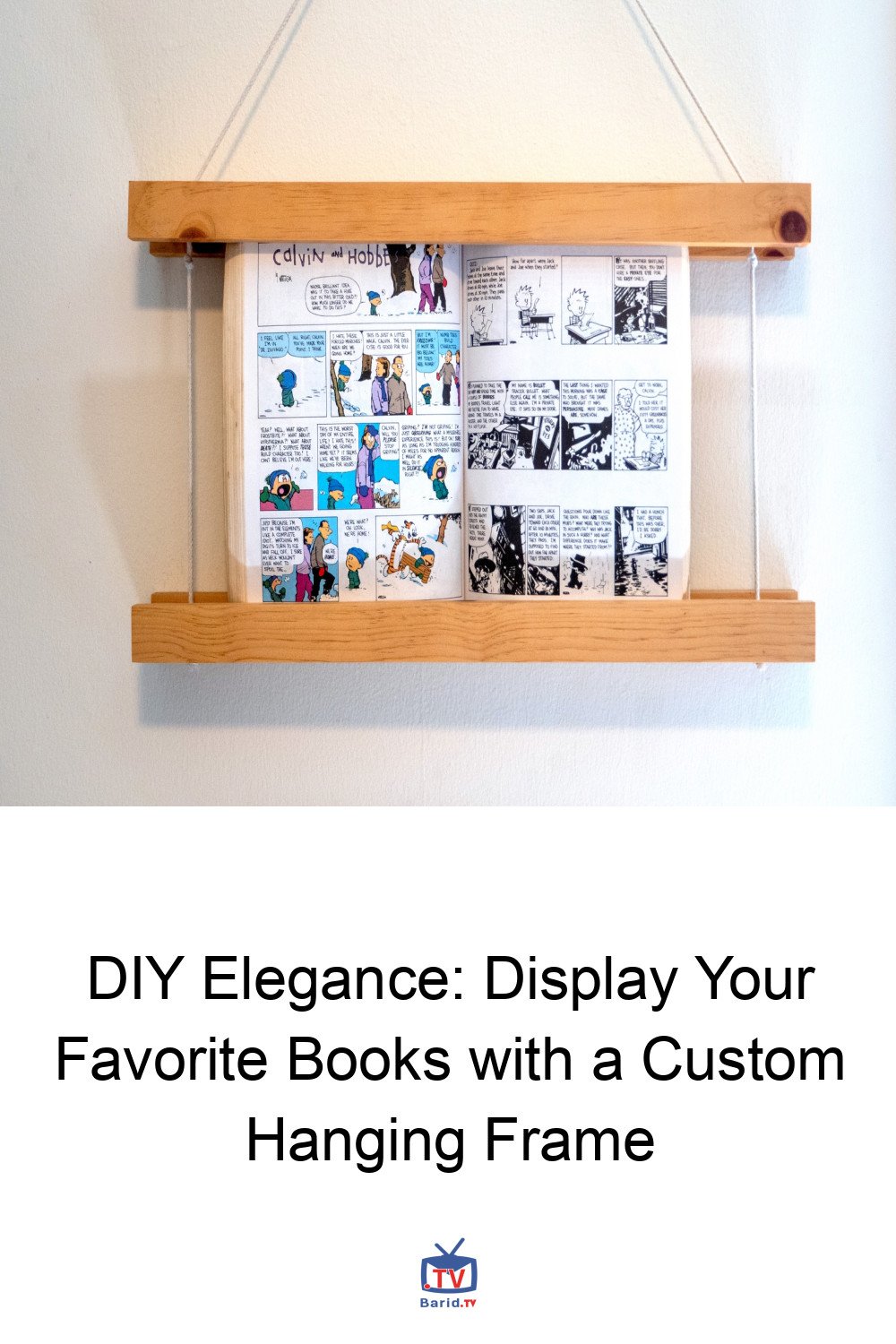
In an age dominated by digital screens and instant gratification, there’s a unique charm in celebrating the tangible. For book lovers, a cherished volume isn’t just content; it’s an experience, a memory, a piece of art. Why relegate your most beloved reads to a dusty shelf when you can elevate them to a place of prominence? This guide from Make: Magazine (Vol 94) unveils a simple yet elegant solution: a DIY hanging book frame.
Forget the complexities of e-ink displays or the fleeting nature of digital content. This project offers a timeless, zero-power alternative that not only showcases your favorite book – be it a classic novel, a treasured photo album, or a beloved comic collection like Calvin and Hobbes – but also allows for easy page-turning, offering a fresh perspective every few days. It’s more than a frame; it’s a dynamic piece of wall art that celebrates the enduring beauty of print.
Project Overview: Crafting Your Display
This engaging project is designed for accessibility, requiring approximately 5–6 hours to complete with an easy difficulty rating. The material cost is budget-friendly, ranging from $20–$60, making it an ideal weekend endeavor for anyone looking to add a personal touch to their home decor.
1. Precision Cuts & Drills: Laying the Foundation
While a steady hand and a saw can get the job done, a table saw will ensure cleaner, more precise cuts for a professional finish. The provided dimensions are optimized for a standard 175-page softcover book, but remember, customization is key! If you’re planning to frame a larger tome, such as a dictionary, adjust your measurements accordingly to accommodate its width.
- Cut four boards measuring 1½”×24″.
- Cut two boards measuring 2″×24″.
- On each of the two 2″×24″ boards, drill a ¼” hole centered 1½” from each end. These holes will be crucial for threading your hanging cord.
2. Assembly & Refinement: Bringing the Frame Together
With your pieces cut, it’s time for assembly. Glue the rails together to form two distinct U-shapes. For this project, simple butt joints secured with a thin, even coat of wood glue will suffice, as these joints won’t be subjected to significant stress. Allow ample time for the glue to dry completely.
Once dry, take the opportunity to sand down any imperfections, ensuring a smooth, polished surface. For those seeking an extra touch of elegance and protection, consider applying a finish such as beeswax or Danish oil. This not only enhances the wood’s natural beauty but also provides a layer of durability.
3. The Finishing Touch: Secure Knotting for Display
The final step brings your frame to life, preparing it for its literary cargo. Thread a sturdy cord through the holes in what will be your top rail. Tie a pair of secure knots beneath the rail, allowing the cord to rest firmly on them. This clever detail serves a dual purpose: it protects your book from direct contact with the wood and significantly simplifies the process of turning pages.
Next, thread the cord through the bottom rail. To secure it, tie a substantial knot on each end of the cord, ensuring the bottom rail is held firmly in place. These knots are vital for the frame’s stability and the safety of your displayed book.
Displaying Your Masterpiece
Softcover books, with their inherent flexibility, can sometimes be a little tricky to position. The easiest method we’ve found is to gently tip the book into the bottom channel first, then carefully rock the top channel into place over the book. Once secured, step back and admire your handiwork!
This project, originally featured in Make: Vol 94, is a testament to the joy of DIY and the enduring appeal of physical books. It’s an invitation to personalize your space and celebrate the stories that move you, one beautifully framed page at a time.
For more details, visit our website.
Source: Link