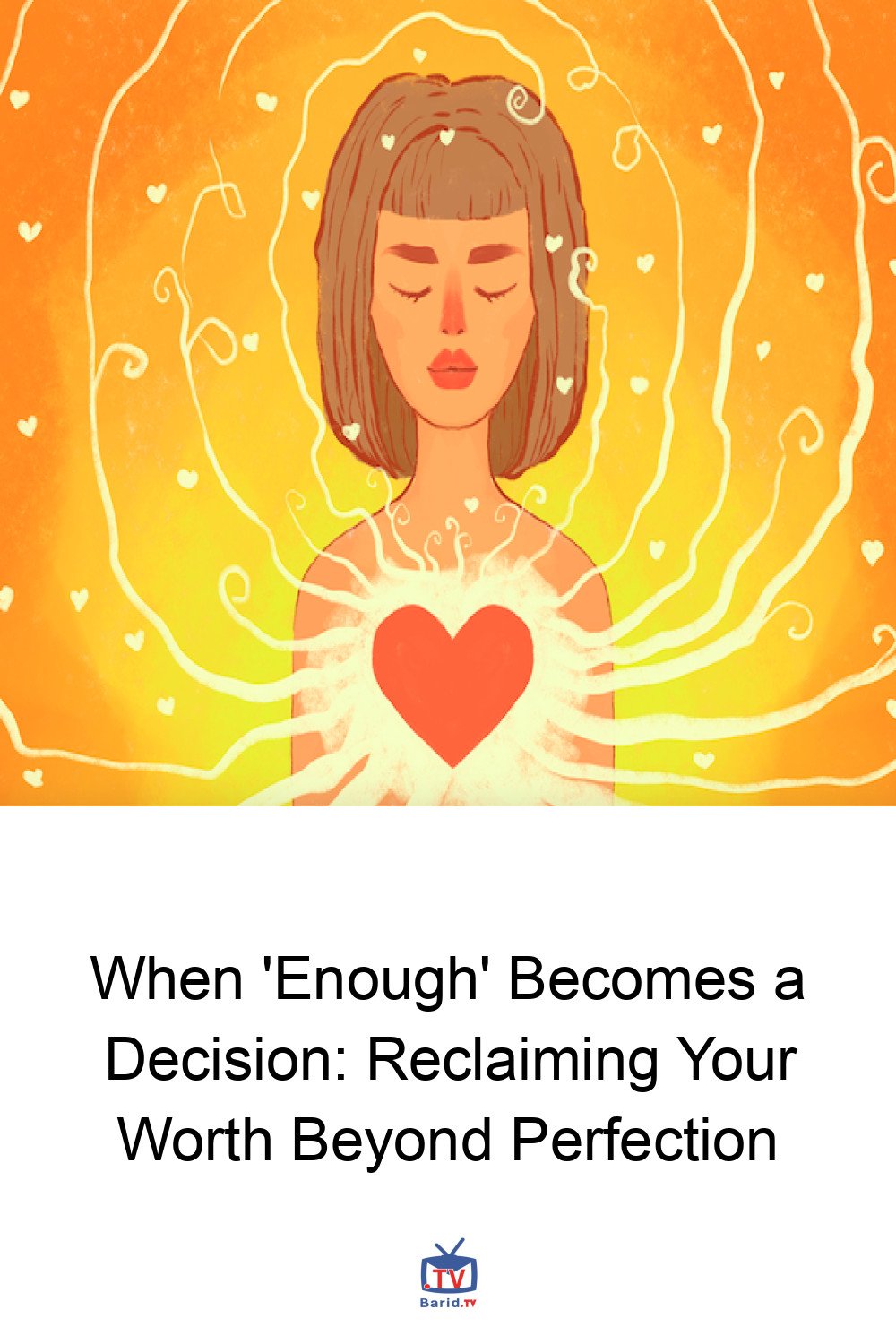
In a world constantly pushing us to achieve more, be more, and strive for an elusive ‘better,’ the simple act of declaring ‘enough’ can feel revolutionary. As the anonymous wisdom goes, “Enough is a decision, not a condition.” This profound truth often reveals itself in the most unexpected moments, sometimes amidst the dazzling spectacle of what’s touted as ‘the happiest place on earth.’
The Cracks in a Picture-Perfect Day
The night sky above Disneyland exploded in a symphony of colour, fireworks painting fleeting masterpieces against the dark canvas. My daughters, sticky-fingered from melted ice cream, nestled beside me, their eyes wide with the pure, unadulterated wonder only childhood can hold. It was, by all accounts, a magical evening. Yet, as Mirabel’s poignant voice from Disney’s Encanto echoed through the park – “I will never be good enough. Will I? No matter how hard I try.” – something inside me irrevocably shifted.
Amidst thousands of smiling families, cross-legged on the pavement, I found myself quietly sobbing. Not a delicate tear, but a deep, chest-aching cry, born from a profound recognition. Every word of that cinematic lament resonated with the very core of my being. It wasn’t just a movie line; it was a stark, unflinching mirror reflecting a truth I had lived for far too long: I will never be good enough. No matter how hard I try.
Even in that supposed haven of joy, my mind relentlessly replayed its familiar, critical loop: You could have done more. Planned better. Been better. I had meticulously orchestrated every detail of the trip – matching outfits, Mickey ears, surprise treats, and a sprinkle of ‘sparkly magic’ for my girls. But as the fireworks illuminated the iconic castle, all I could perceive were the invisible cracks in my carefully constructed facade of perfection.
To an outsider, we might have appeared the quintessential happy family. Yet, beneath the surface, I saw only my perceived failures: the husband who stayed home to facilitate our trip, the looming work deadlines, the silently growing credit card balance, the school days my girls were missing, the myriad ways I felt I could have done things differently… better. This pattern of self-criticism, of transforming every success into a shortcoming, had been my constant companion for as long as I could remember.
The Job That Demanded Everything, Gave Little Back
Months after that pivotal Disneyland experience, I finally broke free from a job I despised. It was a role that relentlessly drained me, demanding every ounce of my energy while offering precious little in return. Late nights, missed family dinners, and the constant self-reassurance that these sacrifices were temporary, that they would eventually ‘make sense.’ The company boasted ‘unlimited leave,’ yet every day off was shrouded in guilt and suspicion. I poured my time, my peace, my very confidence into it. When it finally ended, I was left hollow.
While I resented the job for stealing my joy, an insidious self-blame also took root. I chastised myself for not being ‘tougher,’ ‘smarter,’ ‘better’ enough to thrive in its toxic environment. Even liberated from its clutches, its critical voice echoed in my mind: Not enough. Not enough. Not enough. It’s a peculiar paradox, isn’t it? To feel both immense relief and profound wreckage simultaneously – freed from an unwanted burden, yet still mourning the part of ourselves that believes we failed.
A Kinder Standard for Others: The Lightning Bolt Moment
The profound irony of my self-criticism became blindingly clear when contrasted with how I treated others. One day, my daughter returned home, heartbroken, clutching a test marked with a ‘1’ – our school’s equivalent of a failing grade. Tears streamed down her face as she declared herself ‘stupid,’ ‘not good enough.’
My response was instantaneous, unwavering. “Sweetheart,” I comforted her, “you were sick last week. You missed school. You did your best, and that’s all that matters. We’ll talk to your teacher and figure it out.” Not once did the thought, “You should have studied harder,” cross my mind. My sole desire was to reassure her that she was loved, safe, and inherently enough.
Later that night, as I tucked her into bed, the realization struck me with the force of a lightning bolt: I don’t talk to myself that way. When I miss a goal, make a mistake, or fall short, grace is a foreign concept. Instead, I scold, criticize, analyze, and relentlessly push myself harder. Why did I reserve such harshness for myself, when I would never inflict it upon my own child?
This revelation lingered, a quiet whisper in my chest, surfacing every time I uttered, “I should have” or “I could have.”
The Mirror Moment: Embracing ‘Enough’
That bedtime epiphany was my true turning point. If I genuinely wanted my daughter to grow up believing in her own inherent worth, I had to model that belief myself. Children absorb what we demonstrate, not just what we preach. So, I began to ask myself a new, revolutionary question: What if my best really was enough? Not perfect. Not world-changing. Just… enough.
Initially, the words felt foreign, forced, like an affirmation I didn’t quite believe, spoken through gritted teeth. But with persistent practice, those words gradually softened, transforming into something closer to an undeniable truth.
Redefining ‘My Best’
For the majority of my life, ‘my best’ was an ever-shifting, unattainable target. It meant depleting myself entirely, giving everything until I was empty, and then somehow conjuring more to give. It meant equating my worth directly with outcomes: if the results weren’t extraordinary, the effort was deemed insufficient.
But I am learning, day by day, that ‘my best’ is fluid. Some days, it manifests as peak productivity and boundless creativity. Other days, it’s simply showing up, tired but still trying. And crucially, sometimes, ‘my best’ is choosing rest – honouring my body and heart’s need to heal, rather than relentlessly pushing forward.
Doing my best is no longer about meticulously checking every box or achieving flawless results. It’s about showing up with love, integrity, and self-compassion, even when the outcome falls short of an imagined ideal. It’s about whispering to myself, in moments of doubt and self-criticism, ‘You are enough. You have done enough.’
For more details, visit our website.
Source: Link