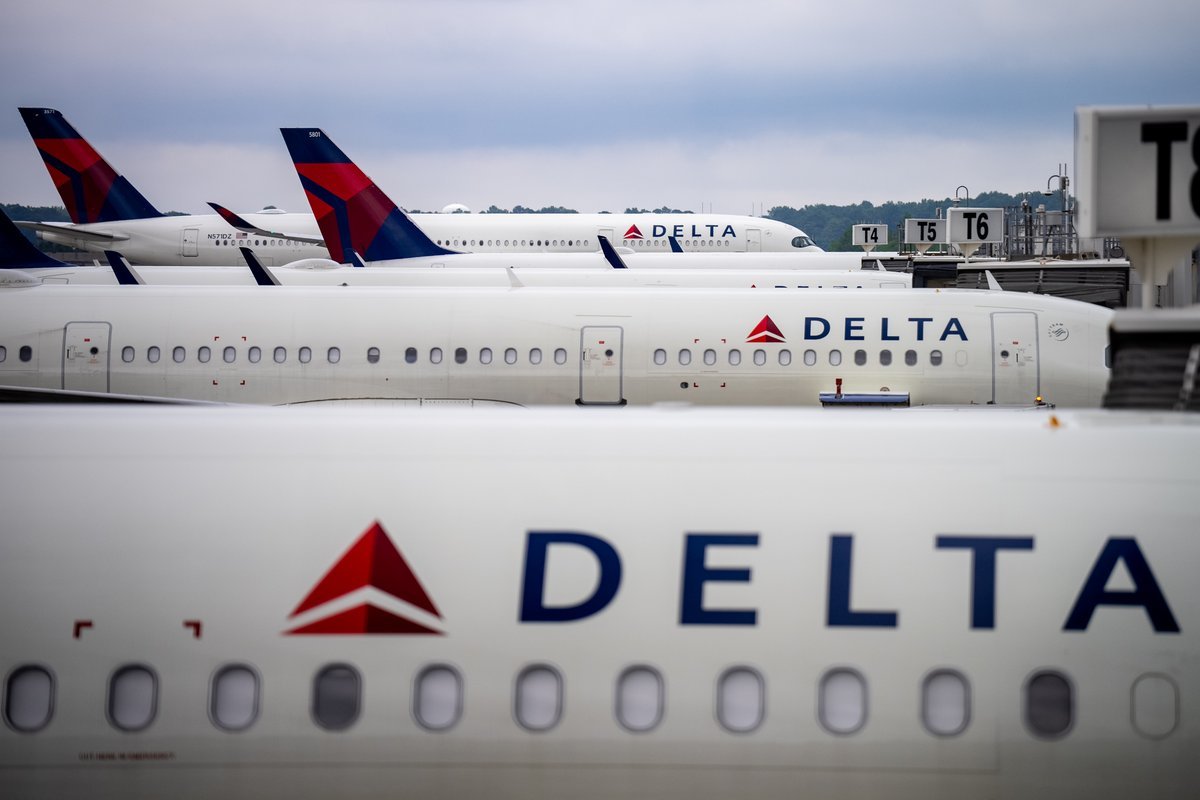

Delta Air Lines is embarking on a bold strategic pivot, placing its future growth squarely on the shoulders of higher-paying, premium-class flyers. Despite this clear direction, the airline’s latest financial forecast has left Wall Street underwhelmed, leading to a dip in share prices and sparking broader discussions about the nuances of post-pandemic air travel demand.
A Strategic Ascent: Delta’s Premium-First Future
In a move that underscores a significant shift in market dynamics, Delta’s chief executive, Ed Bastian, revealed the airline’s intent to allocate virtually all future seat growth to its premium sectors. “Effectively none of our growth in seats will be in the main cabin, virtually all will be in the premium sector,” Bastian stated, signaling a clear departure from traditional capacity expansion models.
This strategy is not without foundation. Delta’s recent performance data paints a compelling picture: main cabin ticket revenue experienced a 7% decline in the fourth quarter compared to the previous year, while premium ticket revenue surged by 9%, ultimately surpassing coach sales for the period. This trend highlights a growing bifurcation in the travel market, where affluent customers continue to fly and invest in enhanced experiences, even as more price-sensitive travelers show signs of pulling back. By focusing on the lucrative premium segment, Delta aims to differentiate itself sharply from budget carriers and capture a larger share of the high-value market.
Wall Street’s Reservations Amidst Bold Projections
Despite the strategic clarity, Delta’s financial outlook for the coming years failed to impress investors. The airline projected adjusted earnings per share of between $6.50 and $7.50 for 2026, a range that, at its midpoint, fell short of analysts’ consensus expectation of approximately $7.25 per share. This discrepancy triggered a sell-off, with Delta’s shares falling as much as 6% and dragging down other airline stocks in its wake.
For the first quarter, Delta forecast revenue growth of up to 7% and adjusted earnings per share between 50 cents and 90 cents, again slightly below the analyst expectation of 72 cents. While early-year bookings are reported to be strong across both leisure and corporate segments, the market’s reaction suggests a demand for more aggressive growth projections to justify the premium strategy.
Navigating Global Headwinds and Long-Term Vision
On a more positive note, Delta delivered a robust fourth quarter, reporting adjusted earnings of $1.55 per share on adjusted revenue of $14.61 billion, slightly exceeding analyst expectations. The airline posted a profit of $1.22 billion on total revenue of $16 billion, marking a 3% increase year-over-year.
However, CEO Bastian tempered enthusiasm for the year ahead with a cautious tone. “We’re not going to project or commit to a record earnings until we understand the uncertainties a little bit better,” he remarked, pointing specifically to the slower-than-anticipated return of international travel from key markets like Canada and China. These geopolitical and economic factors introduce an element of unpredictability that the airline is keenly monitoring.
Looking further into the future, Delta also announced a significant investment in its long-haul fleet, confirming an order for 30 Boeing 787-10 Dreamliners, with options for an additional 30. Deliveries are slated to begin in 2031, a move that signals Delta’s long-term confidence in the resurgence and continued growth of international premium travel, aligning perfectly with its overarching strategic direction.
For more details, visit our website.
Source: Link