
Federal Courtroom Drama: Conflicting Testimonies Cast Shadow on ICE Agent’s Credibility
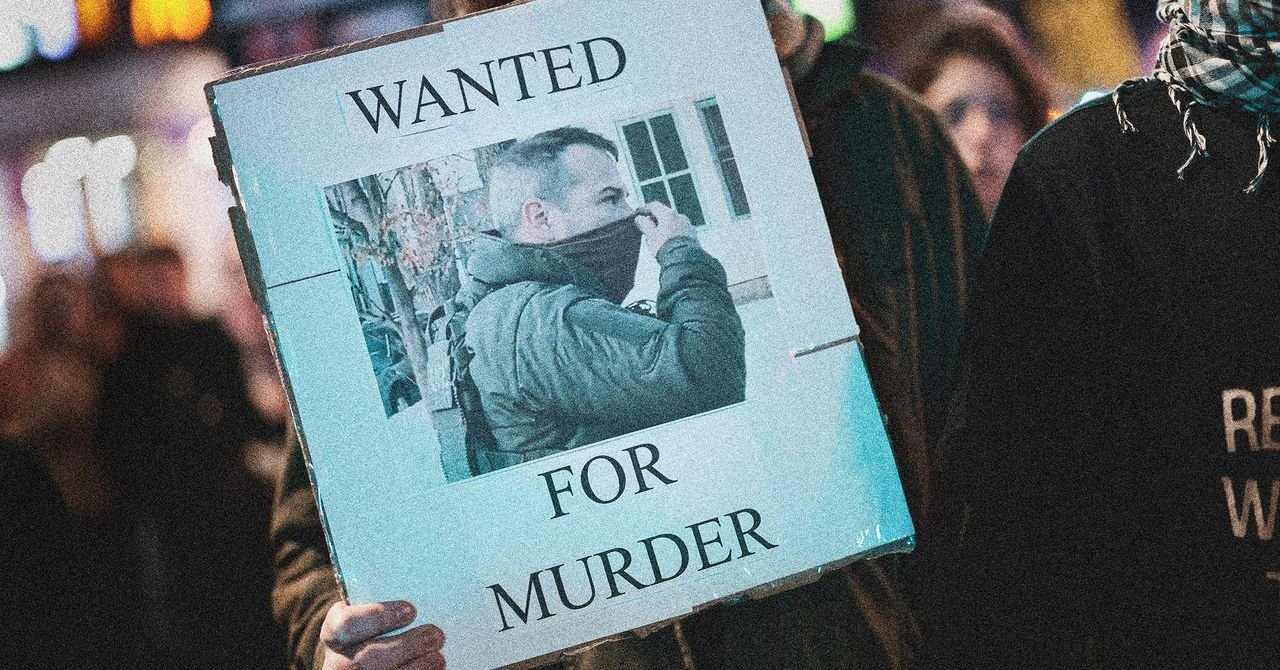
A federal courtroom in Minnesota recently became the stage for a dramatic clash of sworn testimonies, placing the conduct and credibility of an Immigration and Customs Enforcement (ICE) agent under intense scrutiny. FBI Special Agent Bernardo Medellin’s recent testimony appears to directly contradict a crucial claim made under oath by ICE agent Jonathan Ross regarding a detainee’s request for legal counsel. This discrepancy, unfolding amidst heightened public concern over law enforcement actions, particularly following the tragic shooting death of Renee Nicole Good, raises profound questions about adherence to federal training protocols and accountability within government agencies.
The Disputed Request for Counsel
At the heart of the controversy is ICE agent Jonathan Ross’s testimony from December, detailing an incident in June where he led a team to apprehend Roberto Carlos Muñoz-Guatemala, who faced an administrative warrant for being in the U.S. without authorization. Ross recounted approaching Muñoz-Guatemala’s vehicle, identifying himself as law enforcement in both English and Spanish, and then forcibly gaining entry by breaking a window. He testified that Muñoz-Guatemala, despite having limited English, responded in English, specifically stating, “He would—he would reply back he wants his attorney, I believe he said.”
This particular detail sent ripples through the courtroom. Assistant U.S. Attorney Raphael Coburn pressed Ross for clarification, highlighting the unexpected nature of the claim. Muñoz-Guatemala’s attorney, Eric Newmark, expressed outright shock, noting that this critical piece of information had never surfaced in any of Ross’s prior statements, including interviews with the FBI or during pretrial preparations. Newmark emphasized the significance of the claim, as it bore directly on whether his client perceived Ross as a legitimate law enforcement officer or a threat. Under cross-examination, Ross conceded it was “fair to say” he had not previously mentioned the attorney request.
FBI Agent’s Testimony Directly Contradicts Ross
The plot thickened during Newmark’s cross-examination of FBI Special Agent Bernardo Medellin, who was part of the operation led by Ross. Medellin, who testified that he overheard most, if not all, of the interaction with Muñoz-Guatemala—a man whose English he described as limited—was asked directly if he ever heard Muñoz-Guatemala ask for an attorney. Medellin’s unequivocal response was “No.” He reiterated that he never heard such a request, further undermining Ross’s sworn account.
When pressed for his opinion on Ross’s credibility, Newmark cautiously stated, “I’m not commenting about this case as it is still pending, but I think you can tell by my questioning of him and others what I thought about that,” a clear indication of the defense’s skepticism.
Broader Implications for Training and Accountability
Medellin’s testimony extends beyond this specific contradiction, delving into federal training for interactions with drivers. This aspect is particularly pertinent given that Ross, identified by multiple media outlets as the shooter in the recent killing of 37-year-old mother Renee Nicole Good, works as an FBI task force officer. The ongoing questions surrounding Ross’s adherence to training during the Muñoz-Guatemala incident now cast a longer shadow over his conduct in the fatal encounter with Good.
Department of Homeland Security spokesperson Tricia McLaughlin has consistently defended Ross’s actions in the Good shooting, asserting that he followed his training. However, Medellin’s insights into standard FBI protocols for traffic stops—typically a “supportive role” for local marked units—raise serious questions about whether Ross’s aggressive approach in both the Muñoz-Guatemala and Good confrontations aligned with established federal guidelines.
The Muñoz-Guatemala Incident: A Recap
The initial encounter with Muñoz-Guatemala, as detailed by Ross, involved a pursuit in an unmarked car, followed by Ross, clad in ranger green and gray with his badge on his belt, attempting to pull the man over. After breaking the window and reaching into the vehicle, Ross fired his Taser as Muñoz-Guatemala accelerated, eventually shaking Ross off. Ross sustained injuries requiring 33 stitches, and Muñoz-Guatemala was later convicted of assault on a federal officer with a dangerous weapon. It’s also worth noting that Muñoz-Guatemala pleaded guilty in 2023 to criminal sexual conduct with a victim between 16 and 18 years of age, a detail brought up by DHS in response to inquiries.
Official Silence and Lingering Questions
In the face of these serious allegations and conflicting testimonies, official responses have been largely evasive. The Department of Homeland Security, when asked for comment, deflected by referencing Muñoz-Guatemala’s separate criminal conviction, while the FBI declined to comment entirely. This silence only amplifies the public’s demand for transparency and accountability.
As the legal proceedings continue, the stark contradiction between two federal agents’ sworn statements, coupled with the tragic death of Renee Nicole Good, ensures that the actions and training compliance of ICE agent Jonathan Ross will remain under intense scrutiny, challenging the public’s trust in federal law enforcement.
For more details, visit our website.
Source: Link