
A Storm Gathers: DOJ Probe Threatens Fed’s Autonomy
An unprecedented criminal inquiry by the Justice Department into Federal Reserve Chairman Jerome Powell has sent shockwaves through Washington, igniting a fierce debate over the central bank’s cherished independence and jeopardizing President Donald Trump’s efforts to reshape its leadership.
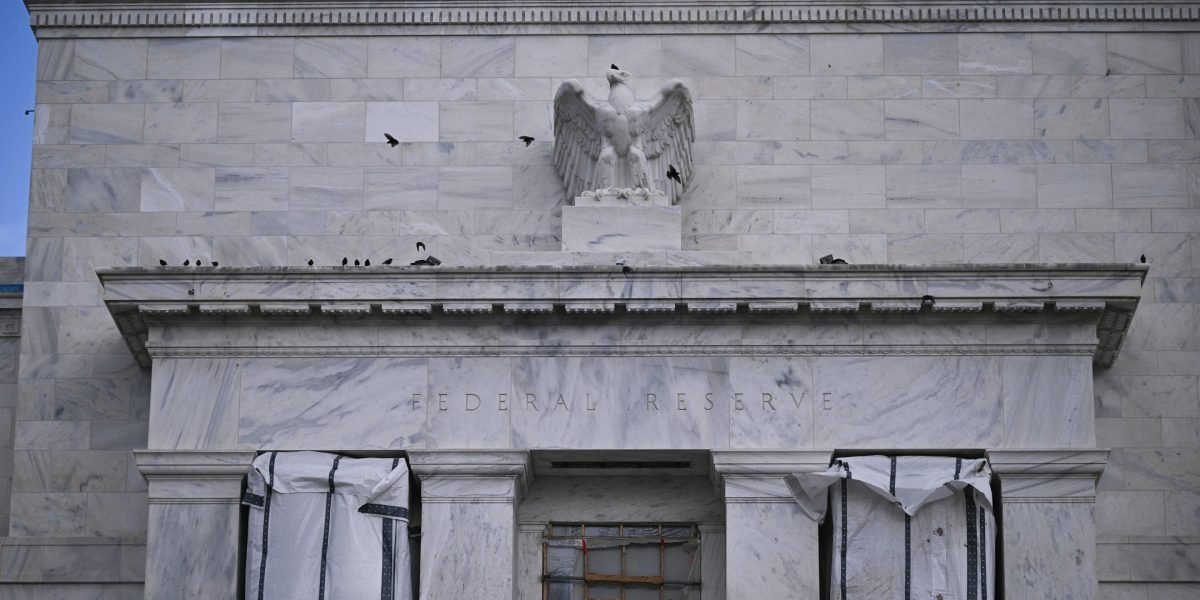
On Sunday, Chairman Powell disclosed that the DOJ had served the Fed with grand jury subpoenas, hinting at a potential criminal indictment related to his Senate testimony last June. The inquiry reportedly centers on cost overruns during renovations of the Fed headquarters. Powell, however, vehemently dismissed these allegations as a mere “pretext,” asserting that the true target of the investigation is the Federal Reserve’s fundamental ability to set interest rates free from political interference. This claim resonates against a backdrop of President Trump’s year-long public criticism of Powell’s reluctance to cut rates, despite the President’s denial of prior knowledge regarding the DOJ probe.
Congressional Fury: Bipartisan Backlash Erupts
Senator Tillis Draws a Line in the Sand
The inquiry has triggered swift and potent backlash from Capitol Hill. Republican Senator Thom Tillis, a key member of the Senate Banking Committee which oversees the Fed, echoed Powell’s concerns, pointing a direct finger at the Justice Department. “If there were any remaining doubt whether advisers within the Trump Administration are actively pushing to end the independence of the Federal Reserve, there should now be none,” Tillis declared on X. “It is now the independence and credibility of the Department of Justice that are in question.” In a dramatic escalation, Tillis vowed to oppose the confirmation of any nominee for the Fed, including the crucial upcoming Fed Chair vacancy, until the legal matter is fully resolved. This stance creates a significant political hurdle for President Trump, who has openly stated his intention to replace Powell with someone more amenable to rate cuts.
Senator Warren’s Stark Warning
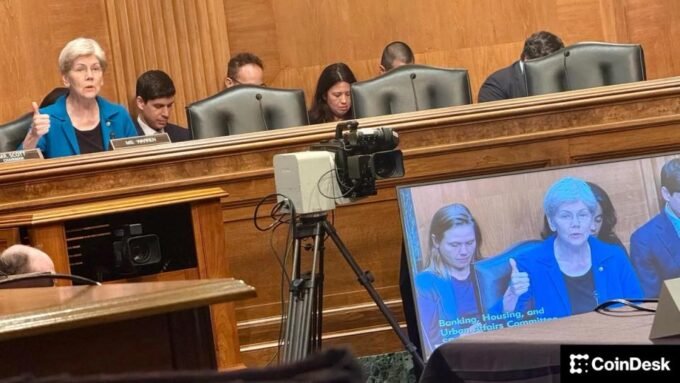
The condemnation was not limited to the Republican aisle. Democrat Senator Elizabeth Warren, also a member of the Senate Banking Committee, launched a scathing attack on President Trump. She accused him of attempting to force Powell off the Fed board “to complete his corrupt takeover of our central bank,” likening his actions to those of a “wannabe dictator” abusing the law to serve his own interests and those of “his billionaire friends.” Warren emphatically called for the Senate to block “ANY Trump Fed nominee.”
The Stakes: Independence, Leadership, and the Economy
While Chairman Powell’s term as chair concludes in May, his term as a member of the Fed board of governors extends until 2028. Historically, departing Fed chairs have resigned from the board as well. However, the current political climate presents Powell with a unique dilemma: he could choose to remain on the board, potentially as a bulwark against perceived political encroachment and to safeguard the Fed’s institutional independence. The DOJ investigation has thus transformed what might have been a routine leadership transition into a high-stakes constitutional crisis, testing the boundaries of institutional autonomy and monetary policy in an already polarized political landscape. The outcome of this probe will undoubtedly have profound implications for the future of the Federal Reserve and the stability of the U.S. economy.
For more details, visit our website.
Source: Link