
US Lawmakers Reignite Push for Landmark Crypto Bill: A Defining Moment for Digital Assets
After a period of legislative stagnation, US lawmakers are once again setting their sights on establishing a comprehensive regulatory framework for the burgeoning cryptocurrency industry. This week marks a pivotal moment as two key Senate committees prepare to advance a market structure bill, aiming to define the future of digital assets in the United States.
On Thursday, both the Senate Agriculture and Banking Committees are scheduled to hold critical hearings, focusing on their respective contributions to the proposed crypto legislation. These sessions are expected to refine the bill’s text, laying crucial groundwork for what could be a watershed moment for digital assets in the US.
The Stakes: A Watershed Moment for US Crypto
The passage of robust legislation is not merely a procedural step; it’s a potential game-changer for the US crypto landscape. Industry leaders and analysts agree that clear regulatory ‘guardrails’ are essential for fostering innovation, attracting investment, and preventing a talent drain to more crypto-friendly jurisdictions.
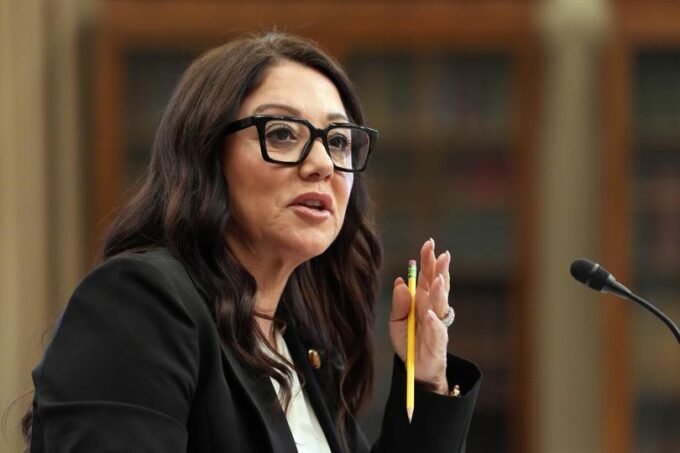
Summer Mersinger, CEO of the crypto trade group Blockchain Association, highlights the urgency: “We’ve seen this massive movement of companies and activity back on shore because there is a friendly administration to crypto.” However, she warns, “without a market structure law, that could all go away, especially if there’s a change to an unfriendly administration.” Without a definitive framework, the industry’s growth in the US remains precarious, susceptible to shifting political winds and regulatory uncertainty.
Unpacking the ‘Clarity Act’: Objectives and Ambitions
Dubbed the ‘Clarity Act,’ this ambitious legislative effort seeks to bring much-needed order to the multi-trillion-dollar digital asset market. Its primary objectives include:
- Clarifying the jurisdictional boundaries between the Securities and Exchange Commission (SEC) and the Commodities Futures Trading Commission (CFTC) regarding cryptocurrency oversight.
- Establishing clearer classifications for various digital tokens.
- Outlining standardized registration and compliance requirements for a broad spectrum of crypto entities, including exchanges, brokerages, and other service providers.
By creating a predictable operating environment, proponents argue the bill could incentivize digital asset companies to establish and expand their operations within the US, thereby stimulating economic growth and bolstering the domestic crypto market.
Key Battlegrounds: The Week’s Crucial Debates
As the Senate Agriculture and Banking Committees convene this week, lawmakers are poised to tackle several contentious issues that have previously stalled progress. These include:
The Stablecoin Conundrum
The treatment of stablecoin-linked rewards remains “the biggest outstanding issue” for negotiations on Capitol Hill, according to Cody Carbone, CEO of the crypto trade association Digital Chamber. “Stablecoin rewards, interest, yields, whatever you want to call it, will be addressed in the bill,” Carbone stated. While both Republicans and Democrats acknowledge the need to address these products, the debate centers on how to regulate offerings that provide yields to holders, which some traditional bankers argue exploit loopholes and compete unfairly with conventional savings products.
The American Bankers Association’s Community Bankers Council has specifically urged Senate members to prevent stablecoin issuer affiliates from offering such rewards, citing concerns that they exploit a loophole in last year’s Genius Act, which prohibits dollar-pegged tokens offering yields to holders.
Decentralized Finance (DeFi) and Developer Protections
Advocates for decentralized finance (DeFi) are pushing for crucial provisions that protect developers from prosecution when their technology is inadvertently used for illicit activities like money laundering. Amanda Tuminelli, chief legal officer for the DeFi Education Fund, emphasized to CNBC: “We need to make sure that there are not obligations put on codes instead of person, or make sure that there isn’t some inadvertent way that the technology is burdened in a way that it can’t comply.”
DeFi advocates also seek language within the market structure bill that allows individuals to self-custody their crypto. Additionally, they champion provisions from the Blockchain Regulatory Certainty Act, which call for software developers and blockchain service providers who do not control or custody customer funds to be exempt from registering as money-transmitting businesses.
Preventing Political Profiteering
A politically charged debate revolves around preventing elected officials from profiting from digital asset ventures while they serve. Lawmakers like Sen. Elizabeth Warren (D-Mass.) are vocal proponents of this measure. “It’s a really hard issue,” Mersinger acknowledged, noting that the House previously “ended up kind of punting [on] it.” However, she added, “A lot of Senate Democrats have said, ‘We’re not going to punt on this issue.'” This suggests a renewed determination to tackle this ethical concern head-on.
The Path Forward: Merging and Voting
The hearings this week are expected to yield new drafts from both the Senate Agriculture and Banking Committees. These individual pieces will then be merged into a single, comprehensive bill, which will ultimately proceed to the Senate floor for a full vote. This legislative dance represents a ‘key window’ for the crypto industry, offering a chance to finally secure the regulatory clarity it has long sought and define its trajectory within the United States.
For more details, visit our website.
Source: Link