
SpaceX’s Starlink Constellation Set for Massive Expansion with New FCC Approval
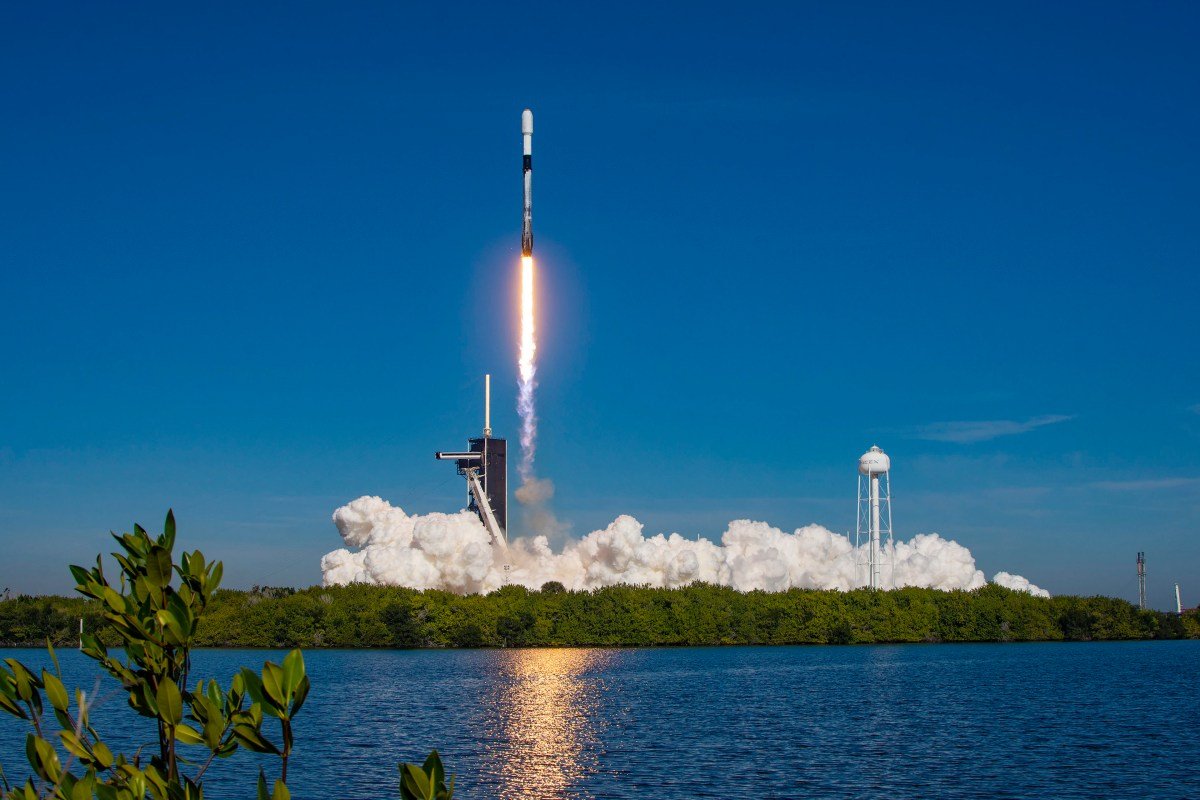
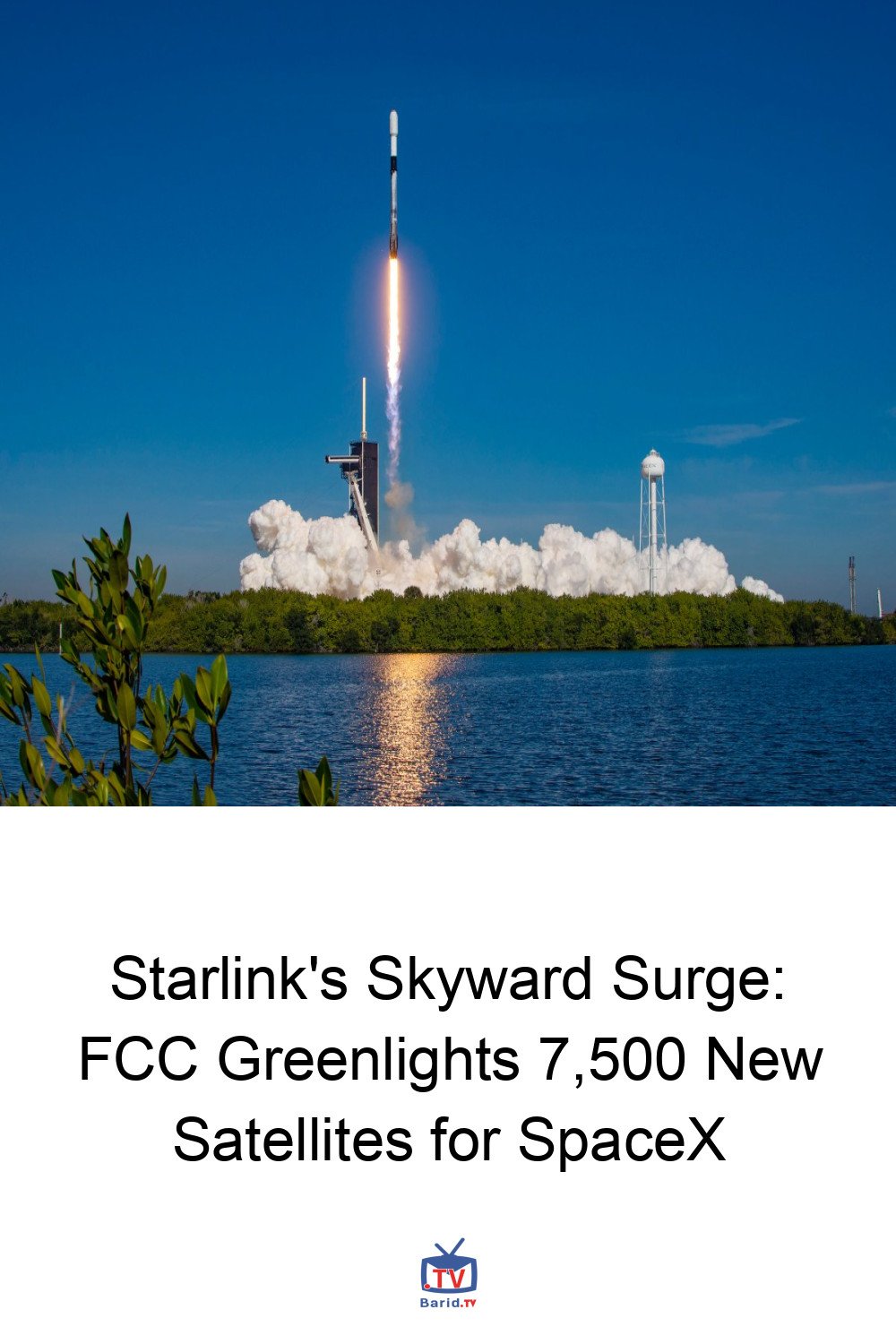
In a significant move poised to redefine global internet access, the Federal Communications Commission (FCC) has granted SpaceX approval to deploy an additional 7,500 of its second-generation Starlink satellites. This latest authorization will swell the total number of Starlink satellites in orbit to an impressive 15,000, significantly bolstering the company’s ambitious mission to provide high-speed, low-latency internet worldwide.
A New Era for Global Connectivity
Beyond merely expanding its satellite count, the FCC’s decision unlocks critical new capabilities for Starlink. The approval allows these advanced satellites to operate across five distinct frequencies, enhancing network capacity and resilience. Crucially, it also paves the way for Starlink to offer direct-to-cell connectivity outside the United States, a game-changer for mobile communications in remote and underserved regions. Furthermore, the expanded constellation will provide supplemental coverage within the U.S., strengthening an already robust network.
This development marks a pivotal step in SpaceX’s strategy to democratize internet access, especially in areas where traditional terrestrial infrastructure is either non-existent or unreliable. The ability to connect directly to standard mobile phones from space could revolutionize disaster response, rural connectivity, and global communication.
Strategic Deployment and Future Horizons
While SpaceX had initially sought approval for an even larger deployment of 15,000 additional satellites, the FCC’s current authorization covers half of that request, with the commission stating it would “defer authorization of the remaining 14,988 proposed Gen2 Starlink satellites.” This phased approach underscores the regulatory body’s careful oversight of the rapidly expanding satellite industry.
SpaceX is now tasked with meeting stringent deployment deadlines: 50% of the newly approved Starlink satellites must be launched by December 1, 2028, with the remaining half to follow by December 2031. These timelines ensure a steady and strategic expansion of the constellation, promising a future where high-speed internet is accessible from virtually any corner of the globe.
For more details, visit our website.
Source: Link