
Iran’s Deepening Crisis: Regime Issues Warnings Amid Escalating Protests and Fatalities
As nationwide protests in Iran enter their third week, marked by a rising death toll and intensified demonstrations, Tehran has issued stern warnings to the United States and Israel against any intervention. This defiant stance comes even as the regime attempts to placate its increasingly restive populace, caught between conciliatory rhetoric and harsh accusations.
A Nation in Turmoil: The Escalating Protests
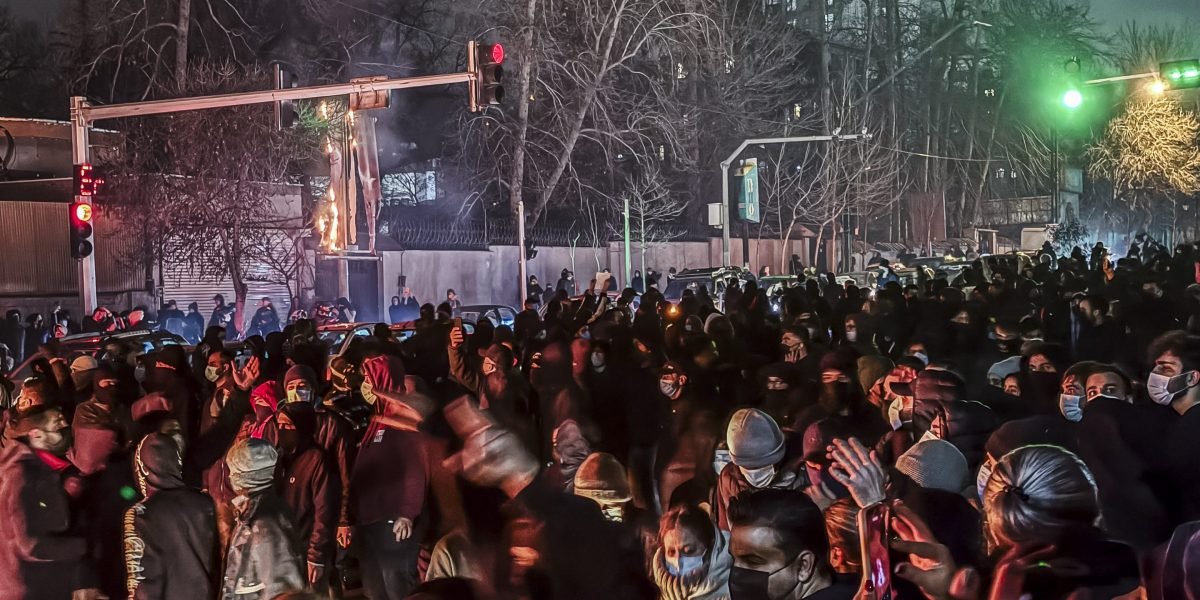
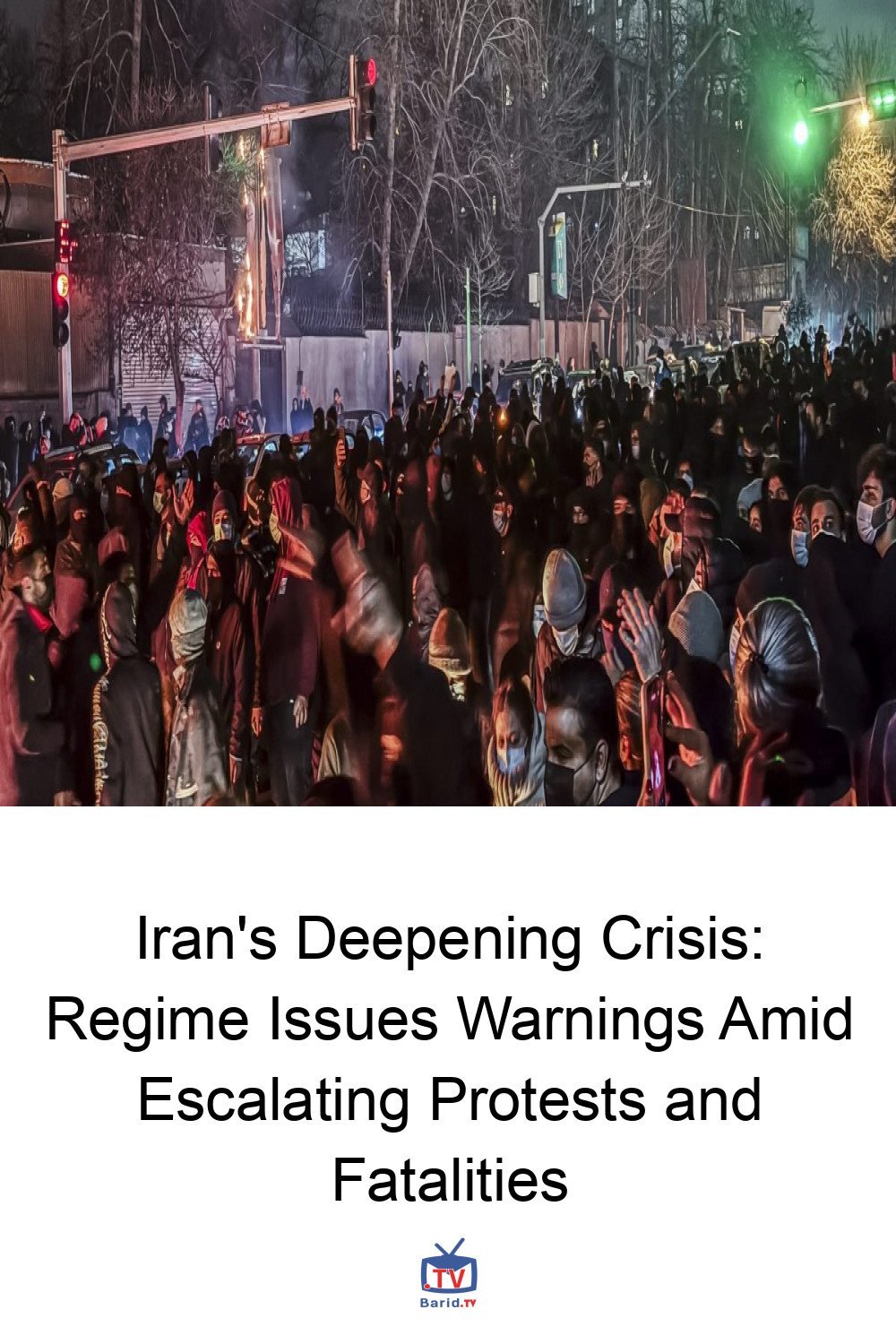
The past three weeks have seen an unprecedented surge in anti-regime sentiment across Iran. Calls by Reza Pahlavi, the exiled son of Iran’s former shah, for citizens to seize city centers and initiate strikes, have fueled the intensity of the demonstrations. Despite severe warnings from authorities, hundreds of thousands, including many elderly individuals, continue to defy orders to stay off the streets. Visual evidence, though challenging to verify independently due to a nationwide internet blackout and severe telecommunications restrictions, depicts vast crowds waving phone flashlights in darkened cities, chanting “Death to the dictator.” Reports of burning vehicles in Mashhad and a state tax administration building set ablaze in eastern Tehran underscore the volatile nature of the unrest.
Mounting Casualties and Human Rights Concerns
The human cost of the crackdown is escalating rapidly. The Oslo-based Iran Human Rights group reported at least 192 confirmed protester deaths, including nine minors. Separately, the US-based Human Rights Activists News Agency cited 116 fatalities linked to the unrest, with the majority succumbing to live ammunition or pellet gunfire. Disturbing social media videos, reportedly from a warehouse in southern Tehran, show dozens of corpses in body bags, with wailing individuals desperately trying to identify loved ones. State-run IRIB News later offered a rare glimpse into the scale of the tragedy, confirming the site as a state forensic complex overflowing with bodies, while distraught relatives huddled outside, searching for their kin.
Tehran’s Dual Message: Conciliation and Defiance
In a striking display of internal conflict, Iranian President Masoud Pezeshkian adopted a conciliatory tone in a state TV interview, extending condolences to families affected by the “tragic consequences” of the unrest. “Your protests must be heard, and we must address your concerns. Let’s sit down together, hand in hand, and solve the problems,” he stated, promising to address the worries of “ninety percent” of the populace. However, this olive branch was quickly overshadowed by accusations that the US and Israel were importing “terrorists from abroad” responsible for acts of arson and brutal killings.
Other officials adopted an even harder line. Iran’s Parliament Speaker Mohammad Bagher Ghalibaf issued a stark warning: “In the event of a US military attack, both the occupied territories and US military and shipping centers will be legitimate targets for us.” He further reiterated Iran’s readiness for preemptive action, asserting, “Within the framework of legitimate self-defense, we do not limit ourselves to responding only after an attack.”
International Scrutiny and Military Options
The international community watches with growing apprehension. US President Donald Trump has repeatedly cautioned the Iranian regime against firing on demonstrators and has reportedly been briefed on new options for military strikes, including non-military sites. A White House official confirmed that President Trump is seriously considering authorizing an attack. Meanwhile, Israel’s security establishment, according to Army Radio, views an immediate Iranian attack on Israel as unlikely, believing Tehran’s focus remains on internal matters.
The Digital Blackout and Unverified Realities
Adding to the complexity, a severe internet blackout has plunged Iran into digital isolation, with NetBlocks reporting connectivity at only 1% of ordinary levels. This restriction severely hampers the flow of information, making independent verification of events challenging and leaving citizens reliant on limited, often state-controlled, media. Despite this, sporadic social media uploads continue to paint a grim picture of the unfolding crisis.
Roots of Discontent: Economic Woes and Past Tragedies
The current wave of unrest, which began last month among traders in Tehran protesting worsening economic and living conditions, has quickly evolved into the largest anti-regime demonstrations since 2022. That year, the death in custody of Mahsa Amini ignited widespread anger and mass protests, laying the groundwork for the current eruption of discontent. The “How Sanctions and a Currency Crash Fueled Iran Unrest” report highlights the deep-seated economic grievances that continue to fuel public anger, compounded by a regime perceived as unresponsive and repressive.
For more details, visit our website.
Source: Link