
GameStop’s Retail Retrenchment: A New Chapter Unfolds
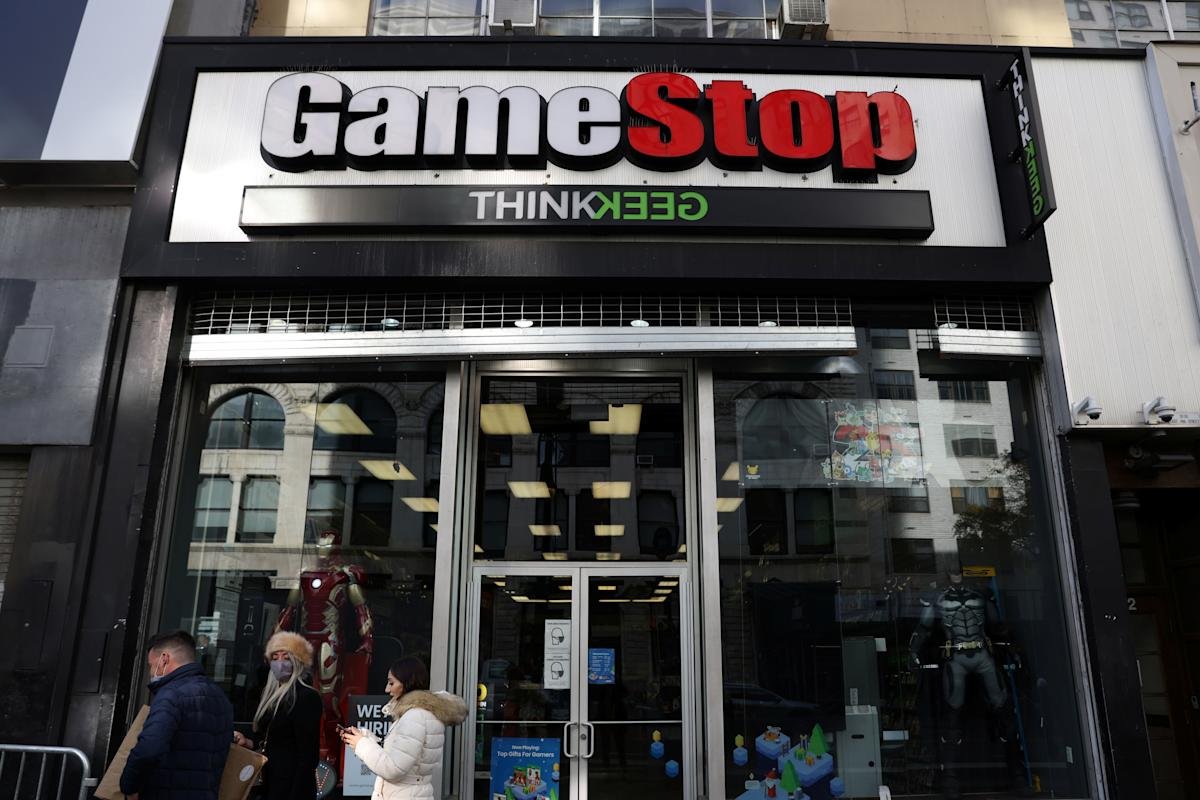
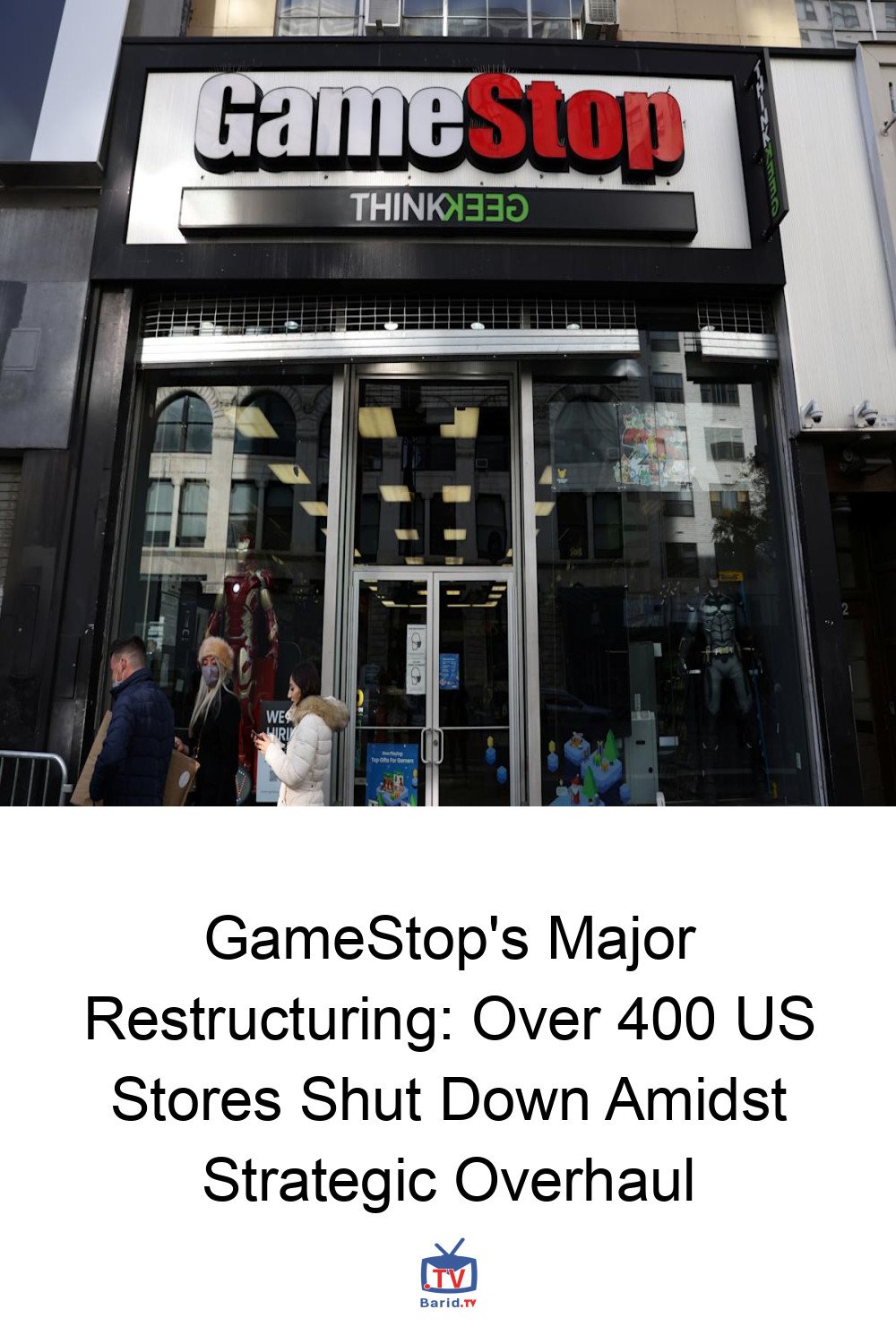
The iconic gaming retailer, GameStop, is reportedly embarking on a significant cost-saving mission, with over 400 of its US retail locations slated for closure or already shuttered. This sweeping move, initially brought to light by Polygon and tracked by a dedicated blog, signals a pivotal moment for the company as it navigates a rapidly evolving market landscape.
The Scale of the Closures
As of January 10, a staggering 410 GameStop stores across the United States are confirmed to be closing or have already ceased operations. An additional 11 locations are also reportedly on the chopping block, underscoring the aggressive nature of this strategic pivot. While the immediate impact is felt domestically, the company’s December 2025 SEC filing indicated a broader plan to reduce its physical footprint in several European countries and Canada, suggesting a global recalibration.
Anticipated Shifts: A Glimpse into GameStop’s Future Strategy
These widespread closures are not entirely unexpected. GameStop’s December 2025 SEC filing explicitly stated the company’s anticipation of “closing a significant number of additional stores in fiscal 2025,” a period concluding on January 31, 2026. This forward-looking statement provides crucial context for the current wave of shutdowns, positioning them as a calculated measure rather than a sudden reaction.
CEO Incentives and Market Ambitions
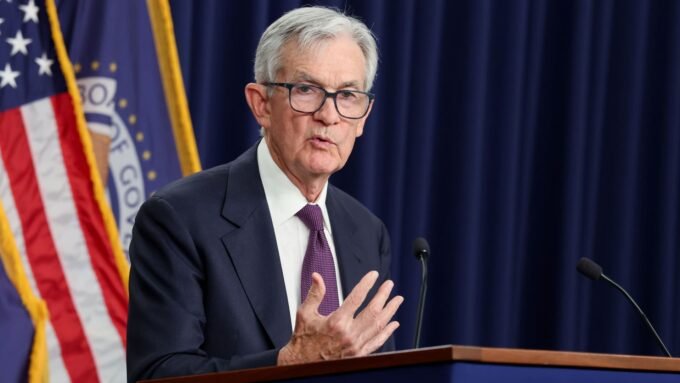
The same SEC filing also shed light on ambitious financial incentives for GameStop CEO Ryan Cohen. He stands to receive up to $35 billion in stock options, contingent upon increasing the retailer’s market capitalization to an extraordinary $100 billion. This substantial payout underscores the immense pressure and high stakes associated with GameStop’s ongoing transformation, linking executive compensation directly to aggressive growth targets.
Navigating a Digital Era: Past Ventures and Future Challenges
Despite experiencing a historic surge in market value in 2021, GameStop has grappled with defining its brand direction in an increasingly digital world. The company’s attempts to diversify, including ventures into a crypto locker service and an NFT marketplace, ultimately failed to gain significant traction. These missteps highlight the challenges brick-and-mortar retailers face in adapting to consumer shifts towards digital downloads and online commerce.
As GameStop sheds hundreds of physical locations, the focus intensifies on its ability to innovate and carve out a sustainable niche in the modern retail environment. The closures represent more than just a reduction in physical presence; they symbolize a critical juncture in the company’s journey to redefine itself for the future.
For more details, visit our website.
Source: Link