
Bluesound Pulse Cinema Review: A Premium Contender in the Home Theater Arena
The landscape of home audio is shifting. While industry giants like Sonos navigate recent software controversies, a formidable challenger from the Great White North, Bluesound, is making its move. Renowned for its commitment to lossless, hi-res audio, Bluesound has long been a favorite among audiophiles willing to pay a premium for superior sound. Now, with the introduction of its first dedicated Dolby Atmos soundbar, the Pulse Cinema, Bluesound is directly challenging the established order, offering a compelling alternative for discerning listeners.
A New Chapter for Bluesound Home Theater
For years, Bluesound has built a robust wireless, multiroom audio ecosystem, mirroring and often surpassing Sonos in sound quality for music. However, its home theater offerings, particularly in discrete Dolby Atmos support, have lagged—until now. The $1,499 Pulse Cinema marks a significant milestone for the Canadian company, boasting dedicated up-firing drivers and a center channel to finally deliver a true Atmos experience. This positions it as a direct competitor to top-tier soundbars like the Sonos Arc Ultra, but with a distinct audiophile edge.
Design & Connectivity: Outclassing the Competition?
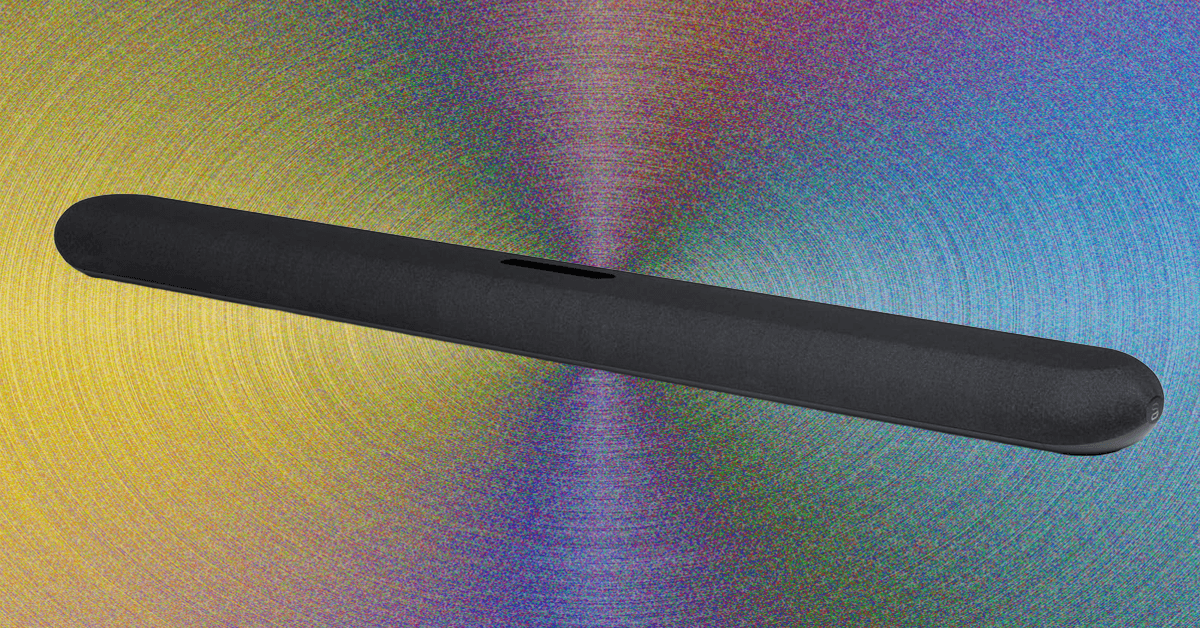
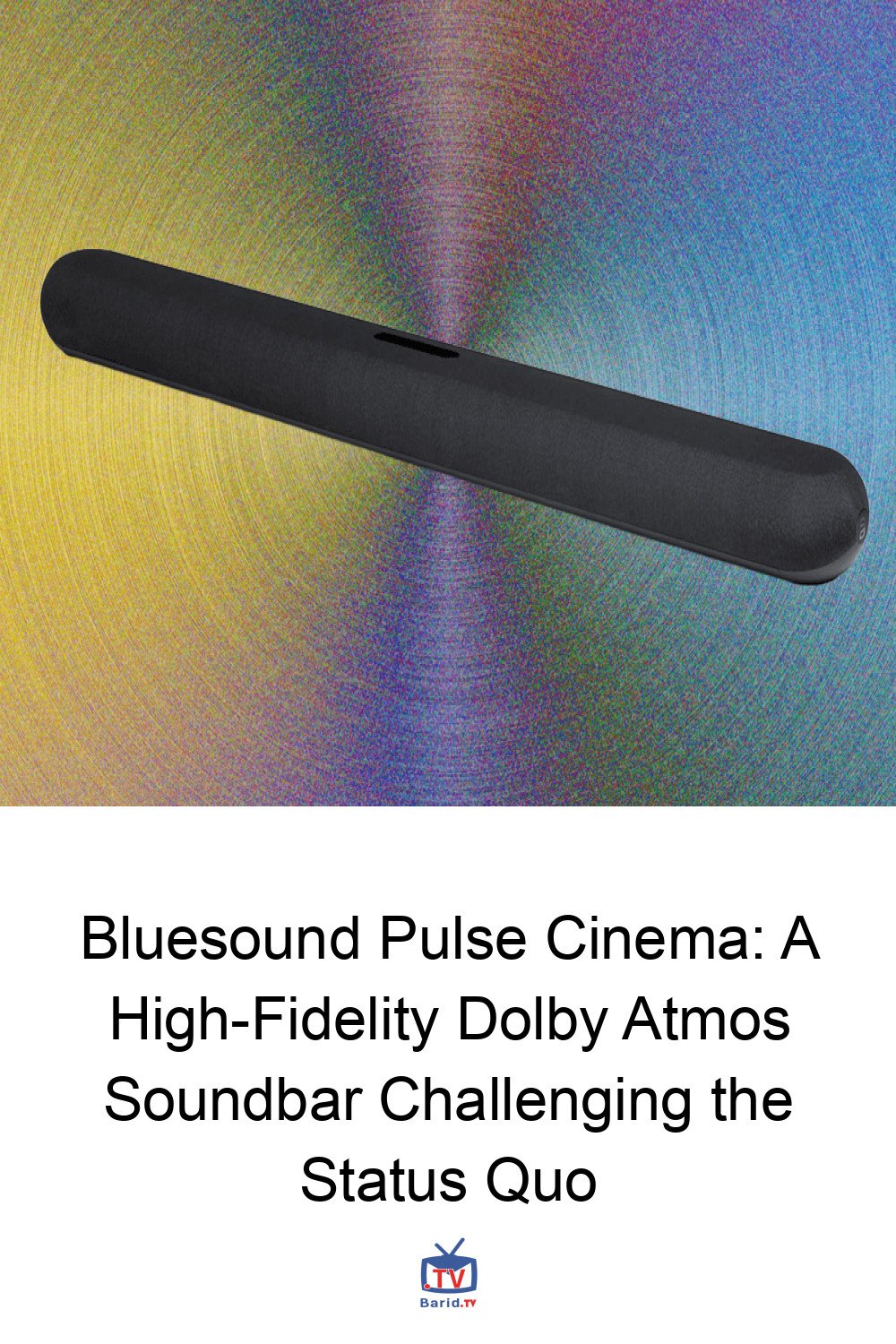
Physically, the Pulse Cinema holds its own. At 47 inches wide, it’s a mere inch wider than the Arc Ultra, making both ideal companions for 50- to 65-inch televisions. Aesthetically, the Pulse Cinema distinguishes itself with a wraparound fabric grille and soft curves, offering a less overtly high-tech look that may appeal to those seeking a more integrated design. A wall-mount bracket is thoughtfully included, a welcome bonus compared to Sonos’s separate purchase.
Where the Pulse Cinema truly shines is its connectivity. Beyond a single HDMI-ARC/eARC port, it boasts an impressive array of inputs: analog, digital, a USB port for external storage, two-way Bluetooth with aptX Adaptive, and both Ethernet and Wi-Fi options. Crucially, it includes a wired subwoofer output—a feature conspicuously absent from many soundbars, including the Arc Ultra. This generous and versatile collection of ports leaves many competitors, including the Arc Ultra, in its dust.
Unrivaled Clarity: Dialogue and Music Performance
Underneath its elegant exterior, the Pulse Cinema packs a powerful 500-watt, 3.0.2-channel, 12-driver array. This configuration delivers impressive detail for both movies and music, a commitment that helps it stand out in a crowded market. While most soundbars offer a significant upgrade over TV speakers for films, few provide a similarly rewarding listening experience for music. The Pulse Cinema excels in both.
For television audio, dialogue clarity is a standout feature. Voices are well-centered and remarkably understandable, even amidst complex background noise and surround effects. The dual built-in woofers and their four passive radiators handle low frequencies with aplomb, while the tweeter and midrange pairs for left, center, right, and height channels produce a wide and tall soundstage that extends far beyond the screen’s edges.
Bluesound’s meticulous processing rewards critical listening, revealing details often missed by other soundbars. A prime example is the sandworm’s first appearance in Dune. Amidst the constant thrum of ornithopter engines and the growing rumble of the approaching beast, the Pulse Cinema renders the crosstalk on the ‘thopter’s radio with crystal clarity, alongside the ethereal, whispering voices Paul Atreides hears. This level of separation and detail was consistently observed across various test clips from films like Mad Max: Fury Road, Unbroken, and Ford v Ferrari.
The Dolby Atmos Experience: Almost There
To fully appreciate Dolby Atmos, precise height and surround channel effects are paramount, creating that distinctive hemispheric sound bubble. Here, the Pulse Cinema, while good, doesn’t quite match the immersive prowess of the Arc Ultra or the more expensive Sennheiser Ambeo Soundbar Plus. In a scene from No Time To Die, as machine-gun fire pummels James Bond’s Aston Martin, a top-tier Atmos speaker should place you squarely in the virtual driver’s seat, with concussive bullet impacts and the sound of denting metal and shattering glass enveloping you. The Pulse Cinema conveys this, but not with the same convincing, all-encompassing force as its rivals.
However, the future holds promise. Bluesound is set to release a software update enabling the Pulse Cinema to expand into a full 5.1.2 system by integrating the company’s Pulse M or Pulse Flex 2i speakers and its Pulse Sub+. This expansion is expected to significantly enhance low-frequency impact and surround sound immersion, potentially closing the gap with competitors. Around the same time, true internal room tuning is also anticipated, which would be a crucial addition for optimizing audio performance in any space.
Verdict: A Premium Contender with Room to Grow
The Bluesound Pulse Cinema is a compelling entry into the high-end soundbar market. Its versatile connectivity, exceptional dialogue clarity, and superior music playback make it a strong contender, particularly for audiophiles and those seeking a premium alternative to Sonos. While its initial Dolby Atmos presentation could be more impactful, the promise of future expandability and room tuning offers significant potential. For those prioritizing sound quality, connectivity, and a sophisticated design, the Pulse Cinema is a sound investment, ready to evolve into an even more formidable home theater centerpiece.
For more details, visit our website.
Source: Link