
Trump’s Venezuelan Oil Ambition Meets Corporate Reality
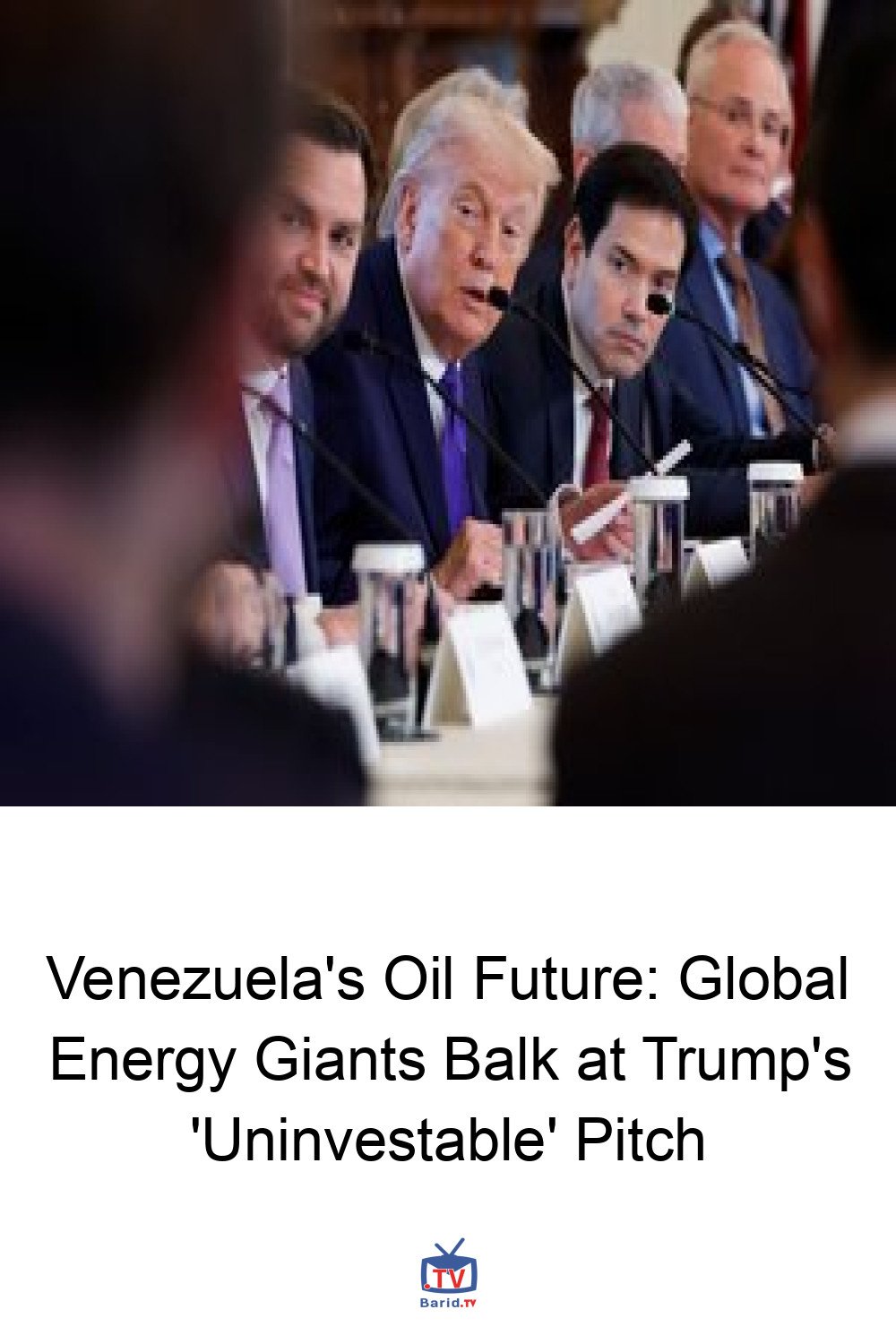
In a high-stakes White House summit, President Donald Trump convened with top executives from leading U.S. and European oil companies, seeking to rally private-sector investment for Venezuela’s devastated oil industry. Despite the administration’s aggressive intervention in the South American nation, the energy giants largely resisted Trump’s overtures, labeling the current landscape ‘uninvestable’.
A High-Stakes White House Summit
The meeting, held on Friday, January 9, 2026, brought together representatives from fourteen multinational oil companies, including American powerhouses like Chevron, ExxonMobil, ConocoPhillips, and Continental Resources, alongside European players such as Repsol, Shell, and Eni. This gathering marked the latest chapter in Trump’s ongoing intervention in Venezuela, a nation he has openly expressed a desire to influence for years.
Kicking off the discussions, President Trump announced that Venezuela’s interim government had transferred 30 million barrels of oil to the U.S. the previous day—an amount equivalent to a month’s production. “The departure of Maduro makes possible an incredible future for both nations, Venezuela and the United States, in which we will more closely integrate the economies of two major energy powers in the Western Hemisphere,” Trump declared during the public portion of the event. Key cabinet officials, including Secretary of State Marco Rubio, Vice President J.D. Vance, and Energy Secretary Chris Wright, were also in attendance, underscoring the administration’s commitment to enlisting corporate support for Venezuela’s economic revival.
The ‘Uninvestable’ Verdict: Corporate Caution Prevails
Despite Trump’s enthusiastic pitch and promises of security guarantees, a clear reluctance permeated the room. One after another, most oil CEOs delivered carefully worded statements that stopped far short of committing to the significant spending required to re-establish or expand operations in Venezuela. The primary sticking point: a socialist government with a documented history of asset confiscation remains in power, creating an environment deemed too risky for substantial capital deployment.
ExxonMobil’s Blunt Assessment
Darren Woods, CEO of ExxonMobil, offered the most direct and unvarnished assessment of the situation. “If we look at the legal and commercial constructs and frameworks in place today in Venezuela, it’s uninvestable,” Woods stated unequivocally. He emphasized the necessity for “significant changes… to those commercial frameworks [and] the legal system.” Woods reminded attendees that ExxonMobil had exited Venezuela nearly two decades prior when the Hugo Chávez government nationalized oil projects, noting, “We’ve had our assets there seized twice.” Despite the grim outlook, he confirmed the company’s readiness to dispatch “a technical team” within weeks to evaluate the state of Venezuela’s oil infrastructure, while reiterating that ExxonMobil still holds $12 billion in outstanding debt from the Venezuelan government.
Chevron’s Cautious Commitment
Chevron stands as the sole major U.S. oil company still operating in Venezuela, maintaining its presence under a special license granted by the U.S. government amid sanctions. However, Vice Chair Mike Nelson showed no greater enthusiasm for expanding operations under the current conditions. “Chevron has been a part of Venezuela’s past,” Nelson remarked. “We are certainly committed to its present, and we very much look forward as a proud American company to help it build a better future.” His words, while diplomatic, underscored a cautious approach rather than an immediate eagerness for new investment.
Geopolitical Undercurrents and Trump’s Ultimatum
The meeting took place against a backdrop of escalating U.S. authority over Caracas following the military raid that toppled Venezuelan leader Nicolás Maduro. In the preceding week, the Trump administration had asserted indefinite control over Venezuela’s oil sales and orchestrated the handover of a month’s worth of the nation’s oil production. A U.S. naval armada remains off the Venezuelan coast, maintaining a blockade.
President Trump assured the oil companies of security guarantees, though he refrained from specifying whether this would involve deploying U.S. ground troops to protect future oil sites. His closing remarks, however, carried a clear ultimatum: “If you don’t want to go in, just let me know because I’ve got 25 people that aren’t here today who are willing to take your place.” This statement highlighted the administration’s determination to see its Venezuelan oil strategy through, with or without the current industry leaders.
For more details, visit our website.
Source: Link