
Meta’s Bold Nuclear Gamble: Fueling the Future with Oklo
In the high-stakes race for sustainable energy, tech giants are placing monumental bets on nuclear power. While some opt for established routes, Meta, the parent company of Facebook, has just unveiled an unconventional and potentially game-changing investment in the next-generation nuclear startup, Oklo. This move signals a significant shift in how hyperscalers are engaging with the future of energy.
The Tech Titans’ Diverse Nuclear Gambit
The landscape of tech investment in nuclear energy is varied. Microsoft, for instance, has pursued a dual strategy: securing power from a revitalized Three Mile Island plant and backing fusion energy pioneer Helion. Amazon has taken a direct stake in X-energy, a next-generation nuclear firm, financing the construction of its inaugural power plant in Washington.
has navigated a middle path, aiding the recommissioning of Iowa’s sole decommissioned nuclear plant while also supporting Kairos Power, a startup that stands out as the only reactor company in its class to secure a power purchase agreement with a utility. Meta, until now, had maintained a more conservative stance, simply agreeing to purchase power from an existing atomic station in Illinois for its data centers.
Meta’s Unprecedented Fuel Investment with Oklo
Breaking from its cautious past, Meta has announced a groundbreaking deal with Oklo. Instead of merely buying electricity, Meta will provide upfront cash to finance the purchase of fuel for Oklo’s advanced reactors. This direct investment is designed to accelerate Oklo’s plans for a massive 1.2-gigawatt campus in Pike County, Ohio – a rural area within the same grid system that powers Meta’s regional data centers.
While the specific terms remain undisclosed, Oklo CEO Jake DeWitte described the agreement to WIRED as “one of the biggest deals around the nuclear space as a whole.” He emphasized its significance, stating, “This is one of the biggest commitments from a hyperscaler into the nuclear side that we’ve seen. It’s a huge validator.”
This initiative is part of a broader, substantial investment by Meta into nuclear energy, which also includes partnerships with Texas-based nuclear utility Vistra and Bill Gates’ TerraPower. This collective effort has been lauded by the centrist advocacy group Third Way as “the largest such investment in nuclear energy in US history.” Josh Freed, Third Way’s senior vice president for climate and energy, highlighted the strategic importance: “Civilian nuclear power is fundamentally American… Now, we need a lot more private sector investment to keep reactors operating and deploy and commercialize advanced nuclear at scale.”
Powering the Future: Fueling Innovation and Addressing Challenges
The timing of Meta’s investment is particularly pertinent given the current volatility in nuclear fuel markets. A federal ban on certain Russian uranium imports and speculative interest in a potential US reactor construction renaissance have driven fuel prices upward. For next-generation designers like Oklo, whose reactors often rely on unconventional fuel types, this challenge has been acute.
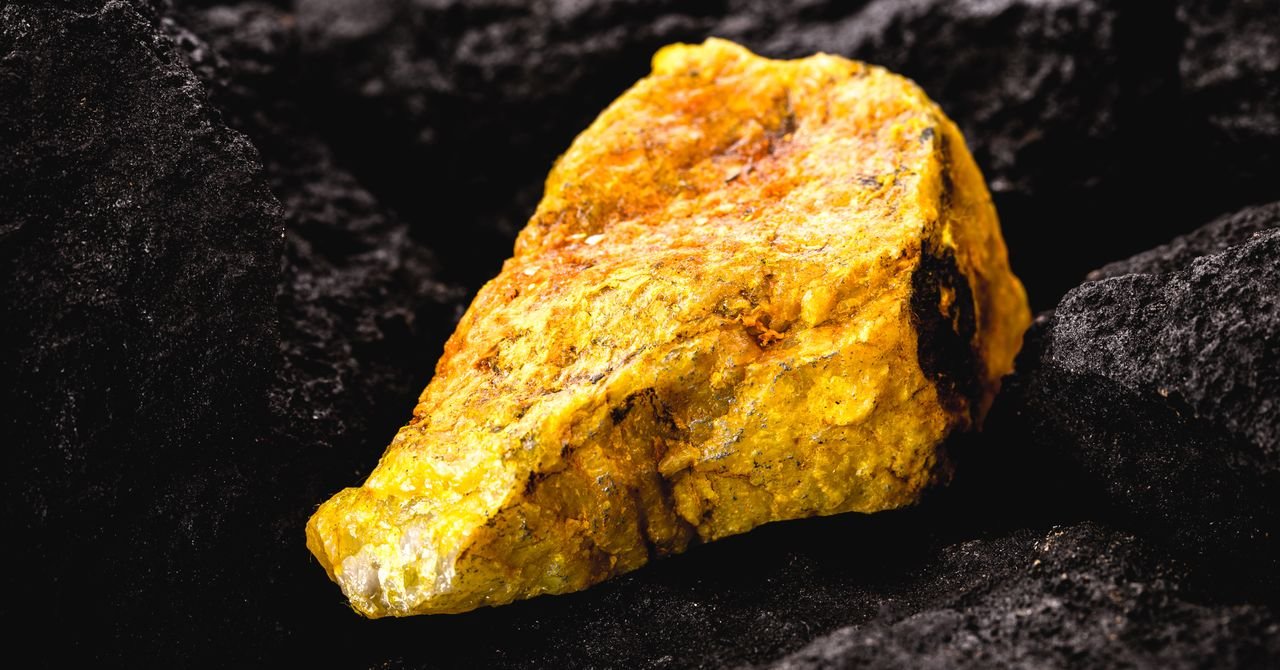
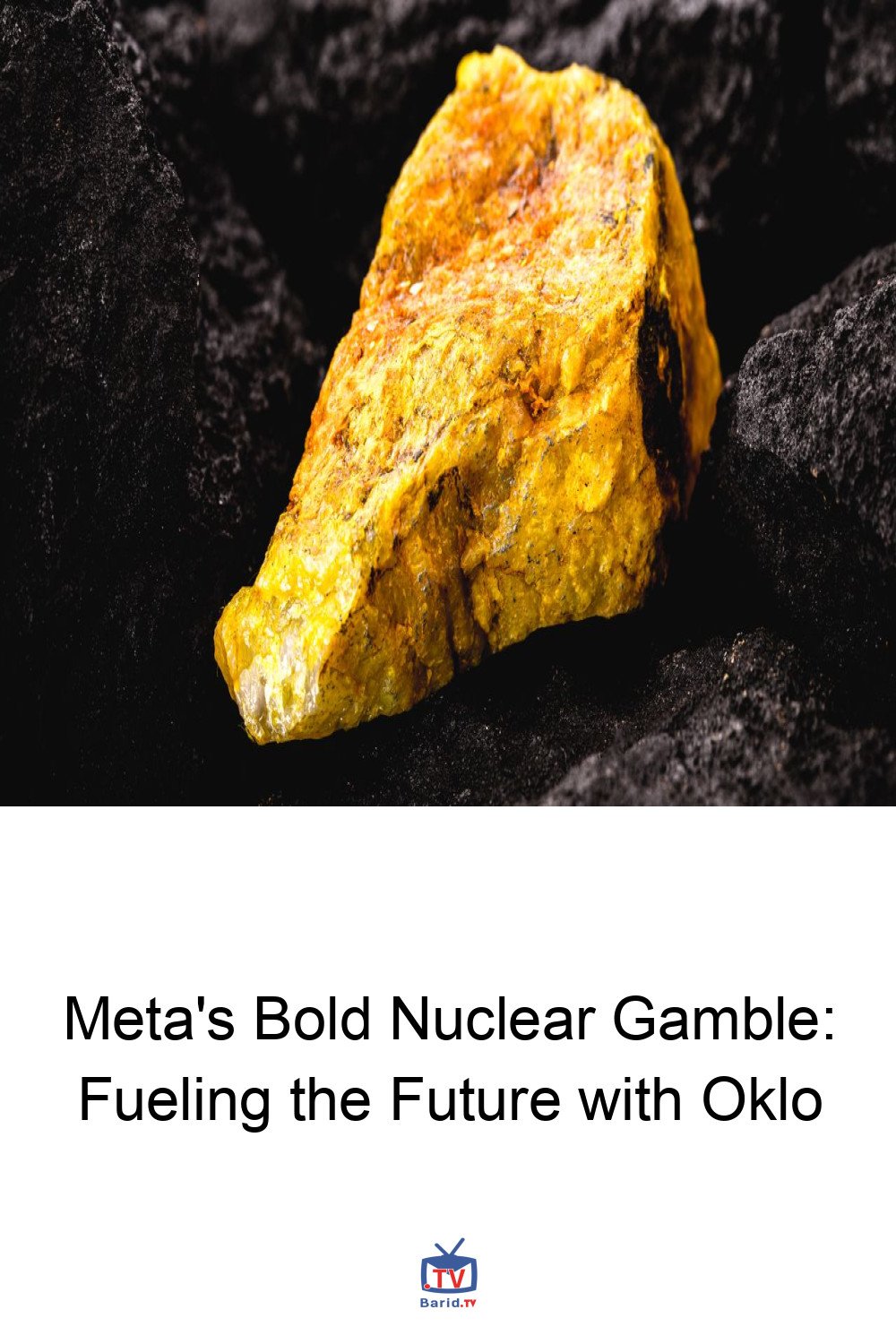
Oklo has innovatively secured old government stockpiles of high-assay low-enriched uranium (HALEU), a material significantly more enriched than traditional reactor fuel. The company is also exploring the use of plutonium leftover from mid-century atomic bomb construction, which its reactors are designed to burn. Urvi Parekh, Meta’s head of global energy, underscored the broader impact: “This project will create jobs, spur local innovation, and advance American leadership in energy technology. By investing in baseload nuclear energy, we’re helping build a resilient and sustainable future for our communities.”
This direct fuel purchase by a hyperscaler is unprecedented. Koroush Shirvan, an MIT researcher, noted that while utilities routinely negotiate long-term fuel contracts, a customer directly purchasing the fuel for the electrons it plans to buy is a first. “The Oklo model that they have advertised is that they build, own, and operate,” Shirvan explained, adding, “But I’m trying to think of any other customers who provide fuel other than the U.S. government. I can’t think of any.”
A New Dawn for Nuclear Energy?
Oklo has emerged as a symbol of a potential revolution in US nuclear plant construction. For a generation, the US saw no new reactors completed until the Vogtle plant in Georgia brought two new Westinghouse AP1000 units online in 2023 and 2024. Despite significant budget overruns and delays, the second unit demonstrated a notable cost reduction, hinting at potential efficiencies in future builds.
Meta’s bold move, by directly investing in fuel supply for an advanced reactor startup, could be a catalyst. It not only validates the potential of companies like Oklo but also sets a new precedent for private sector engagement in securing the foundational elements of future energy independence and sustainability. As the US aims to lead in nuclear deployment, Meta’s unconventional bet might just be the spark needed for a true nuclear renaissance.
For more details, visit our website.
Source: Link