CES 2026: Unpacking the Future of Fitness Wearables – Trends, Innovations, and What Was Missing
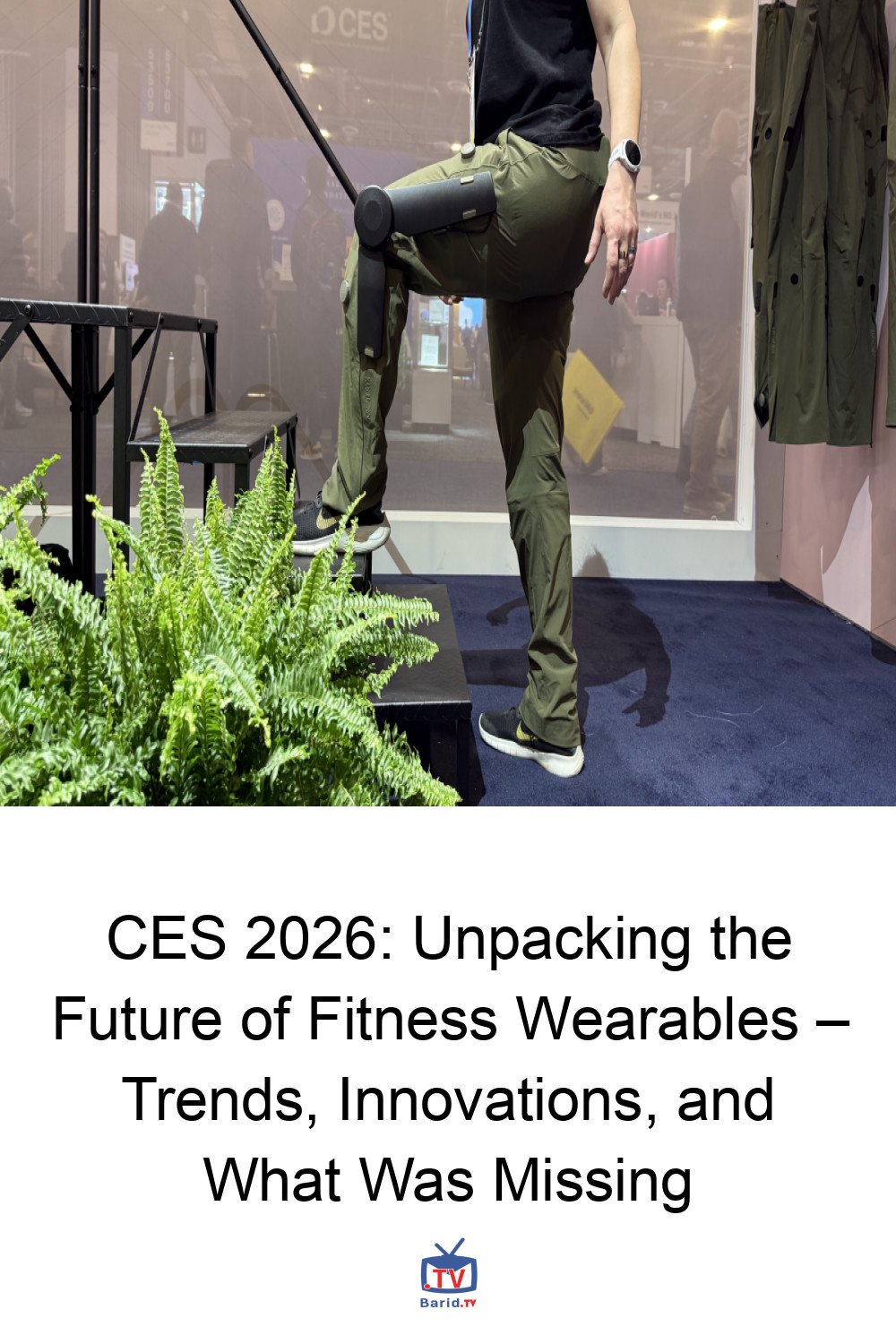
Our recent immersion in the vibrant spectacle of CES 2026 offered a revealing glimpse into the future of fitness technology. While our real-time reports captured the immediate buzz – from experimental exoskeletons to intriguing new smart straps – this deep dive uncovers the overarching trends and notable omissions that will shape the wearable health landscape. Prices are indicated where available, with unpriced innovations often signaling early-stage development.
The Ascent of the Screenless Smart Band
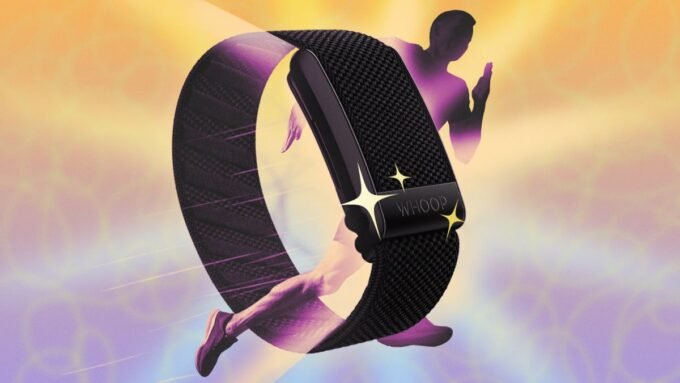
The landscape of screenless fitness straps, once largely dominated by Whoop, is rapidly diversifying. This trend, gaining significant momentum in 2025 with offerings from Amazfit ($99), Polar ($199), and Garmin ($169) for sleep tracking, saw further expansion at CES 2026. Among the most anticipated new entries is the Luna Band, poised for market launch within the next one to two months.
Luna Band: A Formidable New Contender
Priced at $149, the Luna Band distinguishes itself by requiring no ongoing subscription and integrating seamlessly with the Luna Ring app. Manufactured by Noise, a prominent smartwatch maker in India making its foray into the U.S. wearables market, the Luna Band promises robust health tracking.
Beyond hardware, Noise unveiled an innovative voice note system for the Luna app, set to roll out in the coming weeks. This feature allows users to contextualize their health data – for instance, noting alcohol consumption – enabling the app to provide more nuanced and personalized recommendations, such as hydration reminders over generic sleep advice.
Speediance Strap: Glimpses of Future Recovery Tech
Another intriguing development came from Speediance, which showcased its Speediance Strap. While clearly in the prototype phase with no pricing announced, this strap aims to capture comprehensive sleep and recovery data. Crucially, basic data viewing will be subscription-free, though advanced metrics are slated for a premium tier.
Smart Rings: An Exploding Ecosystem of Innovation
The smart ring market, long contested by Oura and its various challengers, is now experiencing an unprecedented boom. While not all new entrants are solely fitness-focused, the sheer volume of devices packing diverse functionalities is remarkable. Beyond the elegantly simple Pebble Index 01 ($75), a plethora of rings now offer advanced features like NFC payments, AI voice processing, and haptic alerts.
Notable mentions include the Muse Ring One ($323), the Dreame Ring, and the Vocci AI ring, each pushing the boundaries of what a finger-worn device can achieve. RingConn, a significant player, unveiled its third-generation ring, promising intriguing blood pressure insights (a feature that warrants careful scrutiny) and versatile haptic alerts, including smart alarm capabilities. This next-gen device is not yet market-ready, with pricing still under consideration. This journalist was provided with a second-generation RingConn for comparative review, insights of which will follow.
Smartwatches: A Plateau in Innovation?
In stark contrast to the burgeoning smart band and ring markets, the smartwatch sector at CES 2026 presented a landscape of relative calm. Major players like Apple, Google, and Fitbit, operating on their own release schedules, were conspicuously absent or offered no groundbreaking announcements. While Amazfit introduced the Active Max ($169), it represented more of a product line refinement than a revolutionary leap.
Pebble: The Maverick of the Wrist
The notable exception to this trend was Pebble, whose innovative approach continues to defy convention. Hands-on experience with the previously announced Time 2 and the newly unveiled Round 2 revealed a commitment to sleek design and minimalist functionality. The Round 2, remarkably thin and elegant, made other robust fitness watches feel cumbersome by comparison. It’s important to note that Pebble intentionally steers away from being a traditional ‘fitness watch’ brand, with the Round 2 notably lacking a heart rate monitor, yet its design ethos remains compelling.
The Broader Picture: Beyond Hardware Enhancements
The perceived stagnation in smartwatch innovation largely stems from a saturation of core fitness and health tracking capabilities. Significant advancements now often revolve around incremental improvements like battery life or the integration of secondary features such as flashlights or microphones – useful additions, but not paradigm-shifting. This shift suggests that the future of wearable health tech may lie less in hardware novelty and more in sophisticated data interpretation and integrated services. Indeed, companies like Oura and Whoop are already expanding into service-oriented offerings, such as blood tests, signaling a pivot where the hardware acts as a data conduit for a broader health ecosystem. As one colleague aptly observed, the ‘magic’ of tech launches seems to have diminished, perhaps because the fundamental innovations in hardware have reached a temporary zenith.
For more details, visit our website.
Source: Link