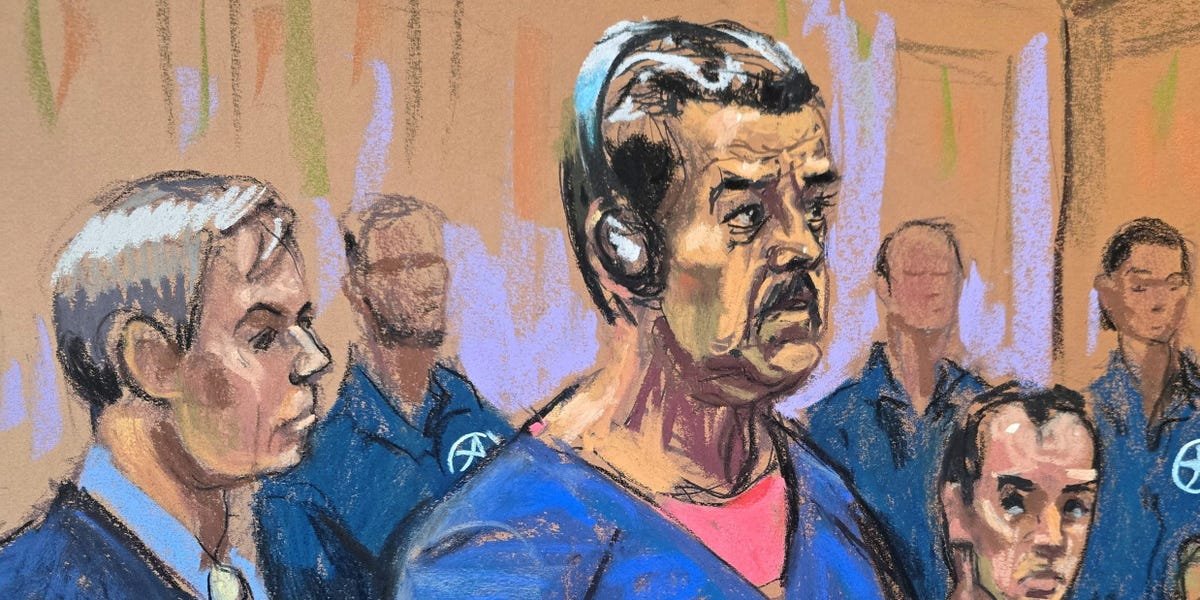

In a development that underscores the profound political and constitutional crisis gripping Venezuela, two prominent legal minds have found themselves locked in an extraordinary and often bewildering power struggle, each claiming legitimate authority to represent the embattled administration of Nicolás Maduro. This intricate legal dance, playing out on an international stage, not only challenges conventional diplomatic norms but also holds significant implications for the future of the South American nation and its vast oil reserves.
The Contenders and Their Claims
At the heart of this unprecedented legal entanglement are two distinct interpretations of international law and Venezuelan sovereignty. One lawyer asserts their mandate directly from the current de facto government in Caracas, emphasizing the principle of non-intervention and the recognition of the state’s existing structures. The other, however, derives their authority from an alternative, internationally recognized opposition framework, arguing that Maduro’s regime lacks legitimate democratic foundation and therefore, its legal representatives are invalid.
Lawyer A’s Stance: Defending State Sovereignty
Operating under the direct instruction of the Maduro administration, Lawyer A champions the view that Venezuela’s internal affairs, including the appointment of its legal representatives, are solely the prerogative of its sovereign government. Their arguments often hinge on established international precedents concerning state recognition and the dangers of external interference. They contend that any challenge to their mandate is an affront to Venezuela’s national sovereignty and a politically motivated attempt to undermine a sitting government, regardless of its international standing among certain nations.
Lawyer B’s Counter-Argument: Challenging Legitimacy
Conversely, Lawyer B represents the faction that views Maduro’s presidency as illegitimate, citing contested elections and a widespread humanitarian crisis. Their legal strategy often involves appealing to international human rights laws and the principles of democratic governance. They argue that their mandate, derived from an internationally recognized interim government or opposition body, is the only valid representation of the Venezuelan people’s will and legal interests on the global stage, particularly in matters concerning state assets and diplomatic relations.
The Stakes for Venezuela and Beyond
This bizarre legal standoff is far from a mere academic exercise. Its outcome could have profound consequences for Venezuela, influencing everything from the control of its vast foreign assets – including gold reserves and oil company subsidiaries – to the recognition of its diplomatic envoys worldwide. For the international community, the case sets a complex precedent, challenging the traditional understanding of state sovereignty versus the recognition of democratic legitimacy in times of political upheaval. The legal battle highlights the deep divisions within Venezuela and the ongoing struggle for its future, with each lawyer’s victory potentially tilting the balance of power significantly.
As the legal proceedings unfold, observers worldwide are watching closely. This isn’t just a dispute between two lawyers; it’s a microcosm of Venezuela’s broader crisis, a high-stakes legal drama that could redefine international engagement with contested regimes and shape the destiny of a nation grappling with profound political uncertainty.
For more details, visit our website.
Source: Link