
A New Dawn for Venezuelan Oil? Energy Secretary Predicts Rapid Chevron Growth
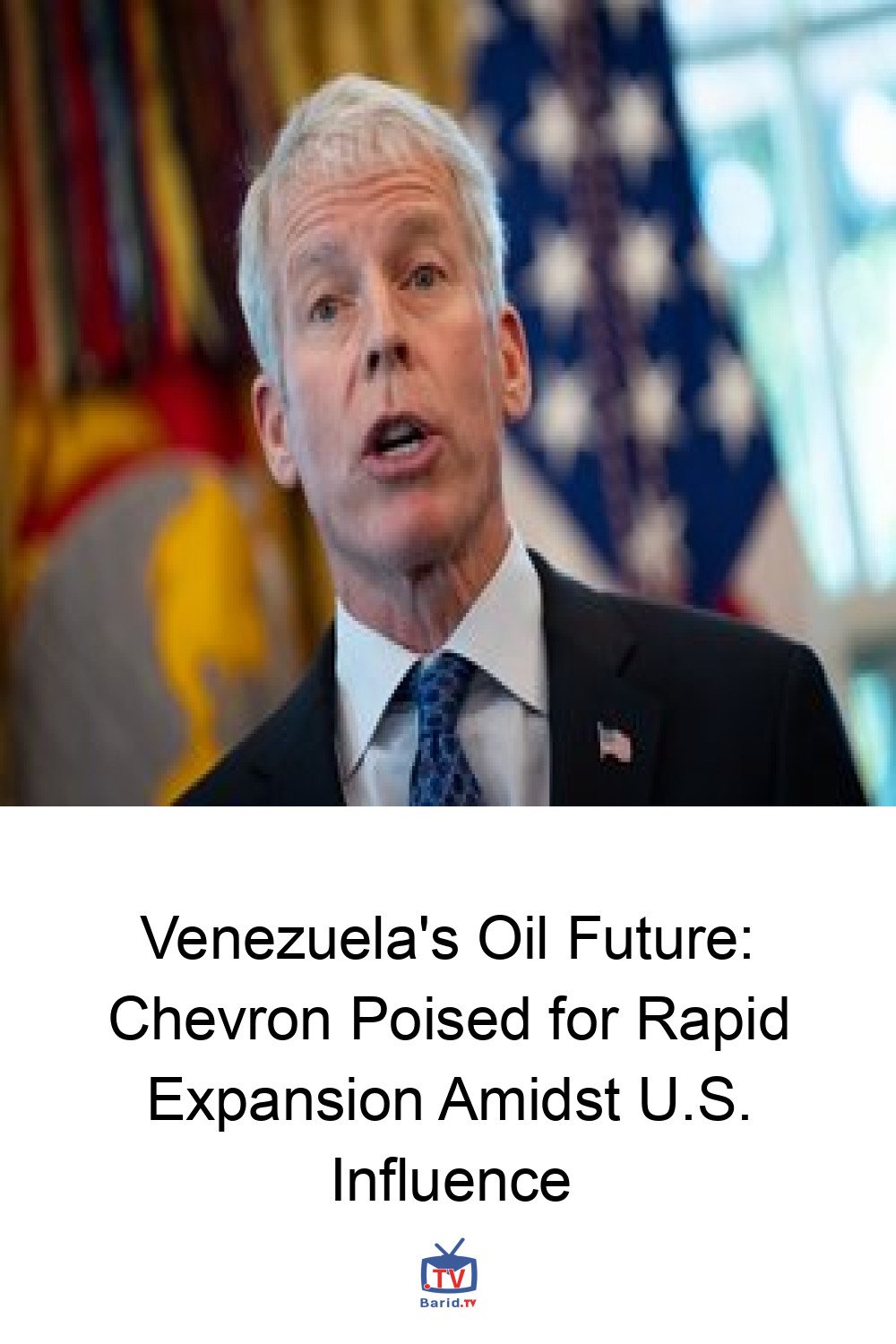
In a dramatic shift following the U.S. military intervention that led to the ousting of Nicolás Maduro, U.S. Energy Secretary Chris Wright has signaled a swift and significant expansion for Chevron’s operations in Venezuela. Speaking on Fox Business, Wright indicated that the sole remaining U.S. oil company in the nation is set to rapidly increase its footprint, potentially paving the way for other American energy giants.
Chevron’s Strategic Resilience and Unique Position
For years, Chevron has navigated the treacherous waters of Venezuela’s volatile political and economic landscape. Despite intense turbulence, including disputes with the Maduro government that saw employees jailed and struggles to collect debt payments from the state-owned oil sector, Chevron maintained its presence. This resilience, coupled with a special license from the U.S. government, now sees the firm responsible for a quarter of Venezuela’s daily crude production.
While Chevron has remained publicly cautious, emphasizing employee safety and full compliance with regulations, Secretary Wright’s comments suggest a more aggressive growth trajectory is imminent. This stands in stark contrast to the past, where the rough political terrain proved too risky for competitors.
The Potential Return of American Oil Giants
Wright’s vision extends beyond Chevron, hinting at a broader return for U.S. energy companies. “You’re going to see Conoco and Exxon and dozens of other American firms immediately looking at ‘hey, what constructive role can we play? How can we be a little bit of help for existing operations? Maybe we can get to a framework where we’ll go in in a large way again,'” he stated. He added, “But in the meantime, they’re not going to sit in their hands.”
This potential re-entry marks a significant reversal. Nearly two decades ago, companies like ExxonMobil and ConocoPhillips exited Venezuela after Maduro’s predecessor compelled them to accept smaller stakes in projects without adequate compensation. The prospect of their return underscores the profound geopolitical shifts now underway.
Trump’s Bold Vision: U.S. Control Over Venezuela’s Vast Oil Wealth
The U.S. government’s assertive stance on Venezuela’s future is inextricably linked to its immense oil reserves. Former President Donald Trump has openly articulated a strategy to leverage this wealth, stating in a New York Times interview that the U.S. will rebuild Venezuela “in a very profitable way.”
“We’re going to be using oil, and we’re going to be taking oil. We’re getting oil prices down, and we’re going to be giving money to Venezuela, which they desperately need,” Trump explained, suggesting that U.S. oversight could span years. This approach, described by some as a “staggering display of belligerent behavior,” signifies a direct and long-term intervention in Venezuela’s economic sovereignty.
Economic Control and ‘American Made’ Mandates
Further solidifying this control, the Trump administration announced it would manage sales of Venezuelan oil indefinitely, depositing proceeds into U.S.-controlled accounts. In a Truth Social post, Trump also declared that “Venezuela is going to be purchasing ONLY American Made Products, with the money they receive from our new Oil Deal,” listing future purchases of U.S.-made agricultural, medicinal, and energy products.
Venezuela’s Measured Response Amidst New Realities
The interim Venezuelan government offered a cautious yet open response to these developments. Acting President Delcy Rodríguez stated, “We’ve taken a very clear stance Venezuela is open to energy relations where all parties benefit, where economic cooperation is clearly defined in commercial contracts. That’s our position.” This measured reaction highlights the complex and evolving dynamics as Venezuela grapples with its new political and economic realities under significant U.S. influence.
For more details, visit our website.
Source: Link