
A New Era of Information Control: The Pentagon’s Influencer Press Corps Under Scrutiny
In the wake of the alleged kidnapping of Venezuelan President Nicolás Maduro, the spotlight has turned sharply on the Pentagon’s recently assembled influencer press corps. Far from delivering critical reporting on the unfolding international incident, these new media figures appear to be prioritizing loyalty and narrative enforcement, drawing unsettling parallels to the pro-war bloggers of the early 2000s Iraq conflict.
Loyalty Over Reporting: The Initial Response
As news of Maduro’s arrest broke, the actions of these credentialed influencers raised eyebrows. Laura Loomer, for instance, attempted to crowdsource information on Pentagon press officials suspected of leaking to mainstream media. Cam Higby, another right-wing influencer within the corps, posted on X, suggesting the White House account should be preparing a “sick edit” of the events. Monica Paige of Turning Point USA opted to critique the former Biden administration, reposting a 2020 comment from Joe Biden about Trump admiring dictators, juxtaposed with the now-infamous image of a blindfolded Maduro. Meanwhile, Joey Mannarino, an influencer with over 650,000 followers, spent his Sunday debating 2028 presidential candidates rather than focusing on the immediate crisis.
Forging a New Narrative: The Pentagon’s Media Overhaul
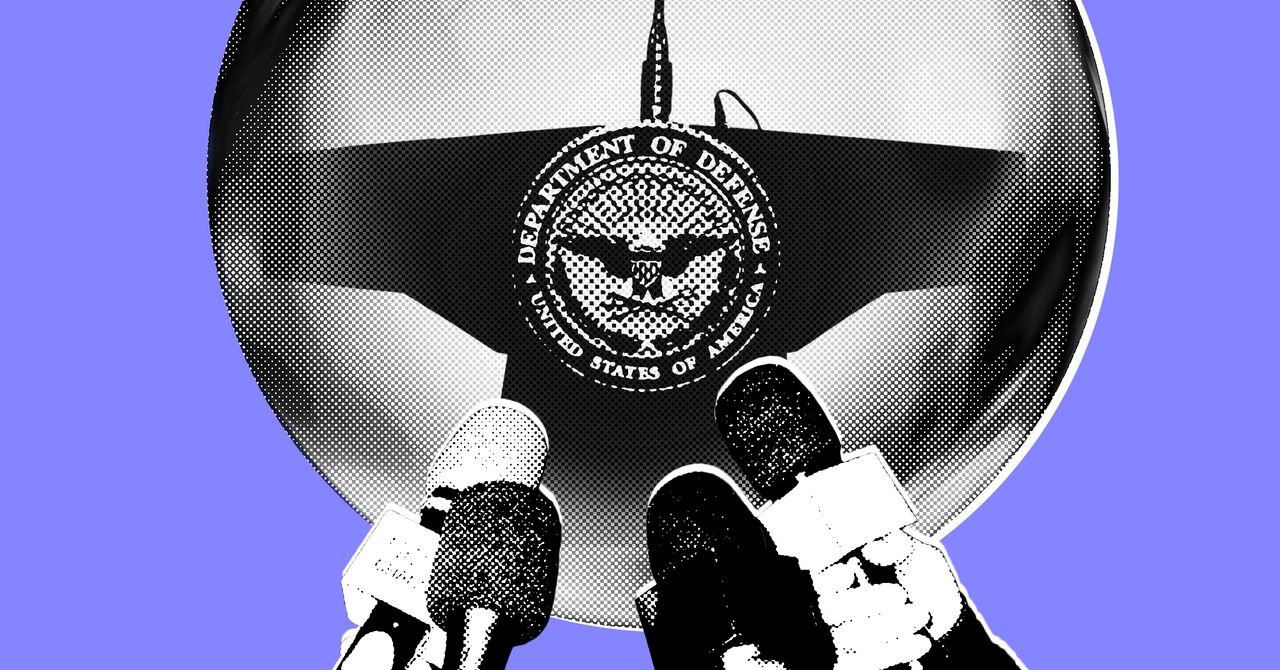
The genesis of this unconventional press corps lies in a significant policy shift enacted by the Pentagon in November. A new directive forbade journalists from accessing information not explicitly made available by the Defense Department. Most major mainstream outlets, including ABC, CBS, NBC, and Fox News, refused to comply, leading to a mass exodus of experienced military beat reporters. Weeks later, the Pentagon filled these vacancies with Trump-friendly influencers from organizations like Turning Point USA and independent creators such as right-wing commentator Tim Pool.
Kingsley Wilson’s Vision: Dismissing the “Old Guard”
The new press corps has received only one official briefing, led by Defense Department press secretary Kingsley Wilson. Wilson, who previously managed digital media for the pro-Trump think tank, the Center for Renewing America, used the platform to openly disparage the departing journalists. “Legacy media chose to self-deport from this building,” Wilson declared. “We’re not going to beg these old gatekeepers to come back, and we’re not rebuilding a broken model to appease them. Instead, we’re welcoming new media outlets that actually reach Americans.”
Echoes of the Past: A Troubling Precedent
This strategy, critics argue, is less about journalism and more about controlling the narrative. So far, the Pentagon’s new cohort of right-wing influencers has failed to report any novel information regarding the Venezuela operation. Several, including Higby, have instead diverted their attention to alleged childcare fraud in Minnesota—a story local outlets have covered for years, recently amplified by right-wing creator Nick Shirley.
The Iraq War Bloggers Revisited
The situation eerily mirrors the early days of the Iraq War, when pro-war bloggers promised an unfiltered alternative to mainstream coverage. These bloggers cultivated audiences by attacking critics of the war, pushing narratives that unequivocally supported the U.S. invasion. Today, members of the Pentagon’s new corps, like Lancevideos, have resorted to name-calling, labeling congressional critics of the Venezuela operation as “libtards” and even advocating for further international interventions, tweeting, “Could Iran be next? USA kidnapping spree must continue.”
Distraction and Disinformation: The Current Landscape
To date, there is no evidence that these newly credentialed press members have reported any substantive news on the Venezuela raid or even received a dedicated briefing on the matter. Their output has largely consisted of memes and posts blindly endorsing the operation—a dynamic that suggests their primary role may be advocacy rather than objective reporting.
Expert Concerns on Media Integrity
Melissa Wall, a journalism professor at California State University, Northridge, who has extensively studied the warblogging movement, notes the striking similarities. “The influencers, they sound like these armchair warriors who wrote their blogs at home and parroted a lot of what the military said,” Wall observes. She questions the depth of their information, asking, “Are they actually getting any real information? Are they just taking press releases or whatever is given to them?”
The “Arsenal of Freedom” Tour and Future Implications
The shift in media strategy was further highlighted by Defense Secretary Pete Hegseth’s recent “Arsenal of Freedom Tour.” The tour’s inaugural stop at a Virginia shipyard saw Hegseth accompanied by only one mainstream outlet, CNN, alongside a significant contingent of right-wing media figures. One such figure, John Konrad, was reportedly overheard seeking an autograph from Hegseth for a book he authored.
Wall warns of the potential for information overload and obfuscation. “They can just flood the zone,” she states, referring to the new press corps. “They can just put out so much content you can’t really find the truth.” This new model raises critical questions about the future of independent journalism and the public’s access to unbiased information regarding national security and foreign policy.
For more details, visit our website.
Source: Link