
The Paradox of Prosperity: A Tale of Two Economies
By many traditional metrics, the American economy appears robust. Gross Domestic Product is growing, stock markets are soaring to near-record highs, and investment in cutting-edge fields like AI is surging. Yet, beneath this veneer of prosperity, a starkly different reality persists for a significant portion of the population. Nearly half of all Americans report that their financial security is worsening, painting a picture of widespread unease amidst apparent growth. This profound disconnect isn’t merely perceptual; it’s a structural and material reality best understood through the lens of the “K-shaped economy.”
Defining the K-Shape: A Divergent Path
The term “K-shaped economy,” popularized by economist Peter Atwater during the pandemic, initially described the divergent recovery paths experienced by different segments of society. While white-collar professionals often found comfort and even increased productivity working remotely, service industry workers, like those at a Subway sandwich shop, faced immense struggles, job insecurity, and reduced hours. This initial observation of unequal recovery has since evolved to describe the fundamental system itself.
Consider the striking example of OpenAI, where its 4,000 employees are reportedly receiving an average of $1.5 million in stock compensation annually. This figure significantly surpasses the pre-IPO compensation levels seen at tech giants like Alphabet or Meta, serving as a prime illustration of how a tiny fraction of Americans are experiencing dramatic wealth accumulation, while the majority contend with a very different economic landscape.
The Structural Roots of Inequality
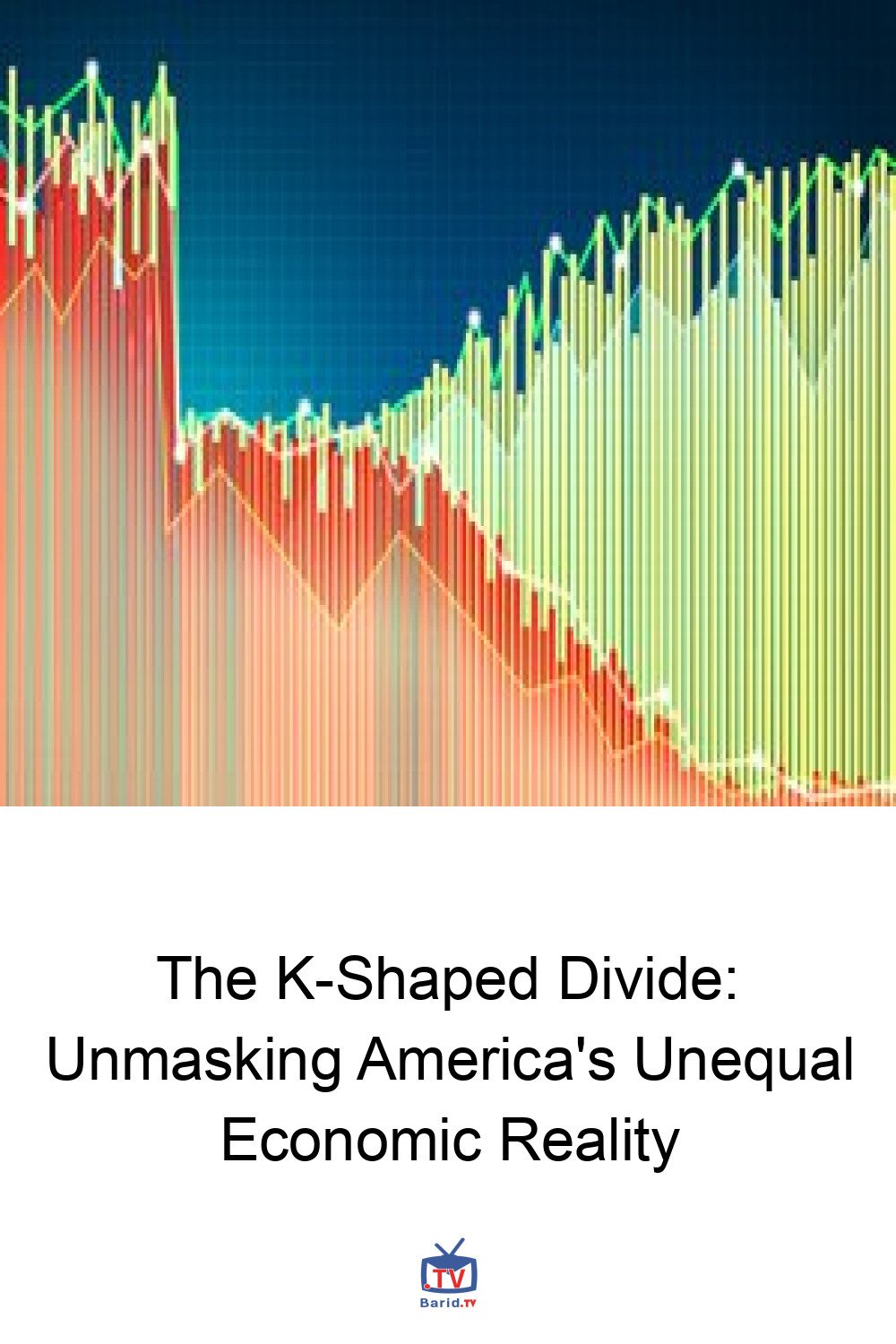
The “K” vividly illustrates two diverging trajectories. On the upward arm, higher-income Americans and asset owners have seen their wealth climb precipitously. Post-pandemic, soaring stock and housing markets have acted as powerful engines of wealth creation for those already positioned to benefit. Their portfolios have expanded, and their property values have appreciated, further solidifying their financial standing.
Conversely, those on the downward arm – lower- and middle-income households – have faced a relentless barrage of economic headwinds. Persistent inflation has eroded purchasing power, wage growth has largely stagnated, and steep borrowing costs have made everything from mortgages to credit card debt more burdensome. The result is an economic expansion that, while real in its aggregate figures, is far from universal in its benefits.
Stark Statistics: The Numbers Don’t Lie
The extent of this economic stratification is laid bare by recent figures:
Concentrated Wealth at the Apex
As of April 2025, a mere 19 of the richest U.S. households collectively hold an astonishing 1.8% of total U.S. household wealth. This isn’t the “top 1%”; it’s a minuscule group at the very peak.
The Bottom Half’s Modest Share
In stark contrast, the bottom 50% of Americans held just 2.5% of the nation’s net worth as of mid-2025. This statistic is so jarring it almost reads like a typographical error, yet it underscores the profound imbalance.
Equity Ownership Disparity
Last year, the top 10% of households owned a staggering 93% of all U.S. stocks, further highlighting how the benefits of a booming stock market are overwhelmingly concentrated at the very top.
Navigating a Divided Economic Landscape
The K-shaped economy presents a profound challenge to the traditional understanding of economic health. It demands that we look beyond aggregate numbers and acknowledge the lived experiences of diverse populations. Understanding this structural divide is crucial for policymakers, businesses, and individuals alike as we navigate an economic reality where prosperity is real, but far from universally shared.
For more details, visit our website.
Source: Link