
The Silent Threat: Why Traditional Security is Failing Against Modern Cyberattacks
In an era where digital threats evolve at breakneck speed, many security teams find themselves playing catch-up. While the focus often remains on catching overt malware, a more insidious problem is emerging: the attacks that go unseen. Today’s most sophisticated cyber threats rarely arrive as traditional files, drop obvious binaries, or trigger conventional alerts. Instead, they operate quietly, leveraging existing tools and processes already present within an organization’s environment—scripts, remote access protocols, web browsers, and even developer workflows. This fundamental shift creates a critical blind spot that legacy defenses are ill-equipped to address.
Industry experts are shedding light on these “hidden-in-plain-sight” tactics, revealing why traditional defenses are falling short and precisely what strategic changes are needed to fortify your digital perimeter against the next generation of attacks.
Unmasking the Invisible: Common Modern Attack Vectors
“Living Off the Land” (LotL) Attacks: Weaponizing Trusted Tools
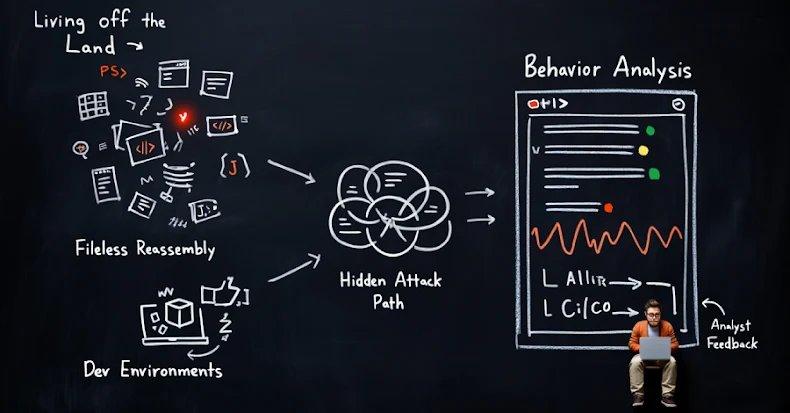
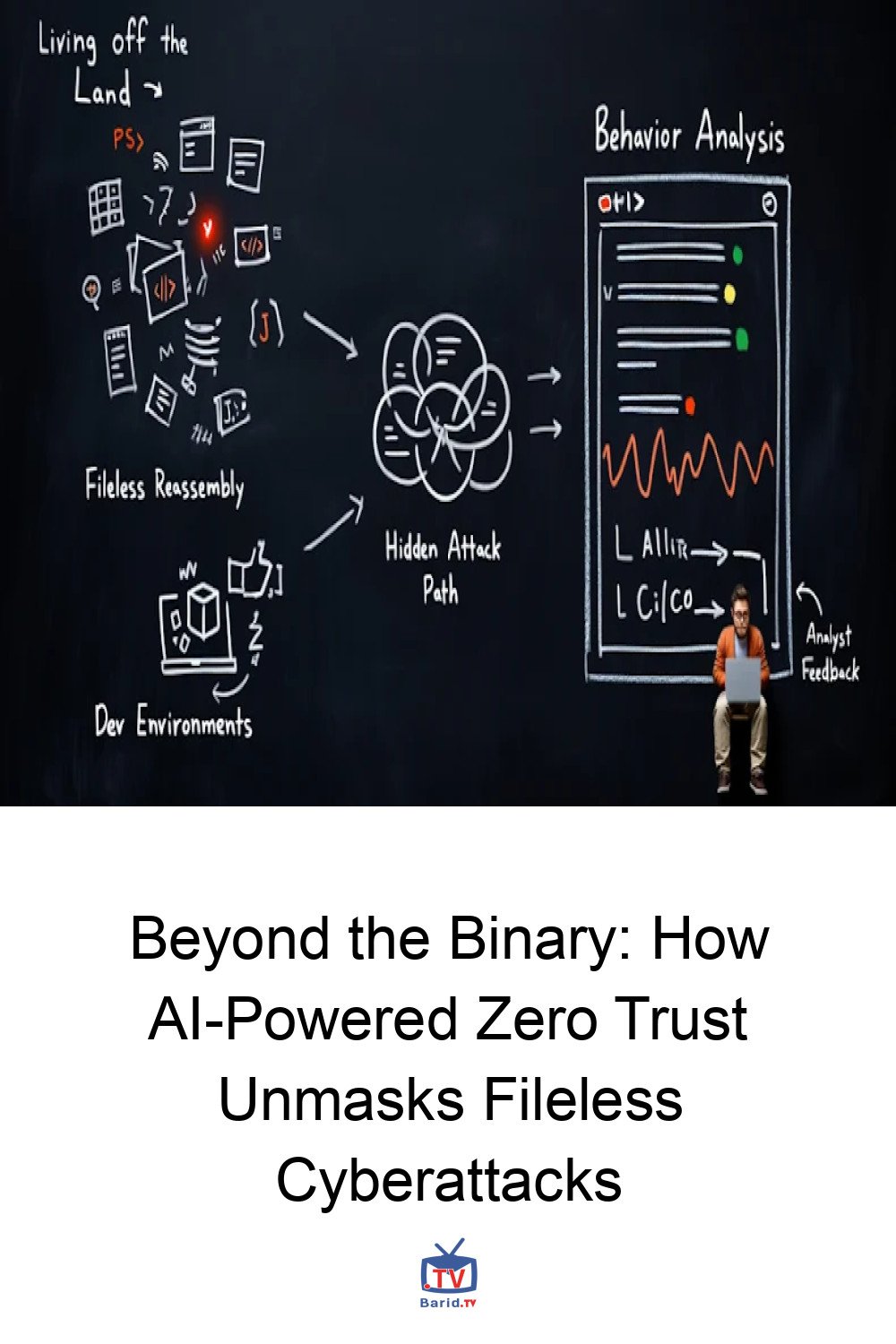
One of the most challenging attack methodologies involves “Living Off the Land.” Here, attackers exploit legitimate system tools like PowerShell, Windows Management Instrumentation (WMI), or remote desktop protocols to execute malicious commands. Because these tools are trusted components of the operating system, file-based detection mechanisms often perceive no threat. Technically, nothing “new” has been installed, allowing adversaries to operate undetected, using the very infrastructure designed to support business operations against the organization itself.
Fileless “Last Mile” Reassembly Attacks: Code Without a Trace
Another stealthy vector involves fileless “last mile” reassembly attacks. These sophisticated threats utilize obfuscated HTML and JavaScript to execute malicious logic directly within a browser or application, without ever delivering a discernible payload to the endpoint. Traditional security tools, designed to scan and analyze files, are rendered ineffective because there is simply no file to inspect. This technique allows attackers to bypass endpoint detection and response (EDR) systems that rely heavily on file signatures or behavioral analysis tied to file execution.
Securing the Development Pipeline: A New Frontier for Attackers
The rapid pace of modern software development, characterized by continuous integration/continuous deployment (CI/CD) pipelines and heavy reliance on third-party repositories, introduces unique vulnerabilities. Malicious code and risky dependencies can easily slip through when inspection and visibility are limited, especially within the vast amounts of encrypted traffic. Attackers are increasingly targeting these environments, recognizing them as high-value entry points to inject backdoors or compromise critical applications before they even reach production.
The Solution: AI-Powered Zero Trust for Proactive Defense
The answer to these evolving threats lies in a fundamental shift towards cloud-native inspection, advanced behavior analysis, and a robust Zero Trust security model. This approach moves beyond the limitations of file-based signals, focusing instead on understanding and validating every interaction, regardless of its origin or perceived legitimacy. By continuously monitoring and analyzing behavioral patterns, AI-powered Zero Trust can surface these hidden attack paths and anomalous activities before they can reach users or critical production systems.
This isn’t merely a post-mortem analysis of past breaches or a general vulnerability alert. It’s a practical, forward-looking examination of how modern attacks operate and why relying solely on traditional, file-centric security signals is no longer sufficient. For SOC teams, IT leaders, and security architects striving to close real security gaps without impeding business agility, this insight offers concrete, directly applicable strategies.
Gain Critical Visibility into What Matters Most
Discover how to gain unparalleled visibility into the activity that truly matters, enabling proactive defense against the most sophisticated, fileless, and “living off the land” cyber threats. Learn how to implement a security posture that anticipates and neutralizes threats before they can impact your organization.
For more details, visit our website.
Source: Link