
The Silent Battleground: When Recruitment Breaks the Recruiter
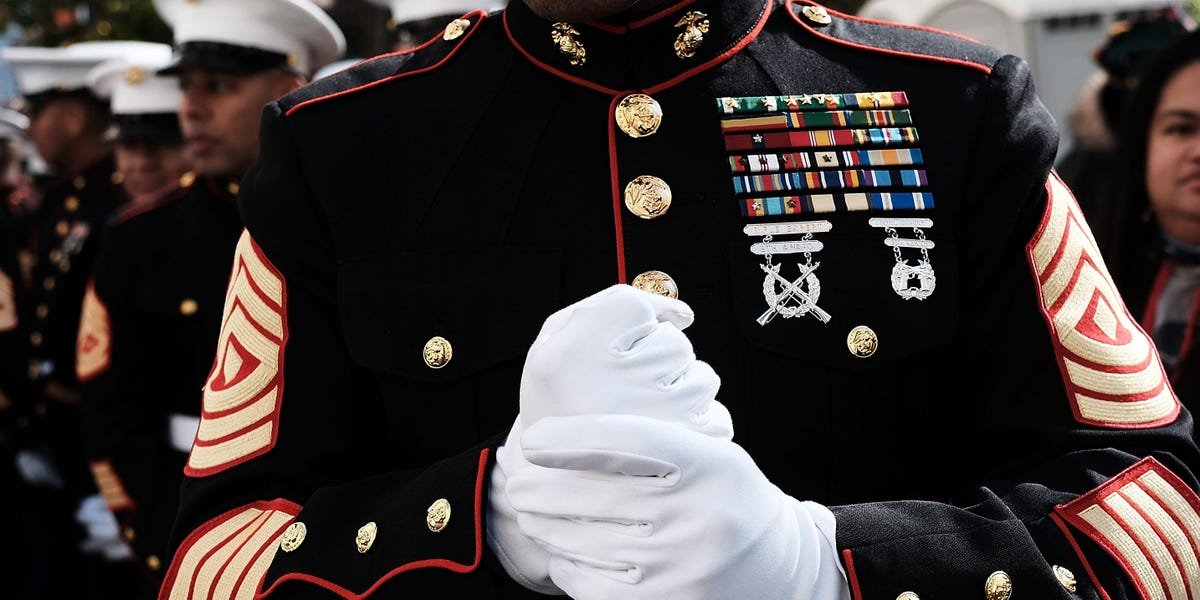
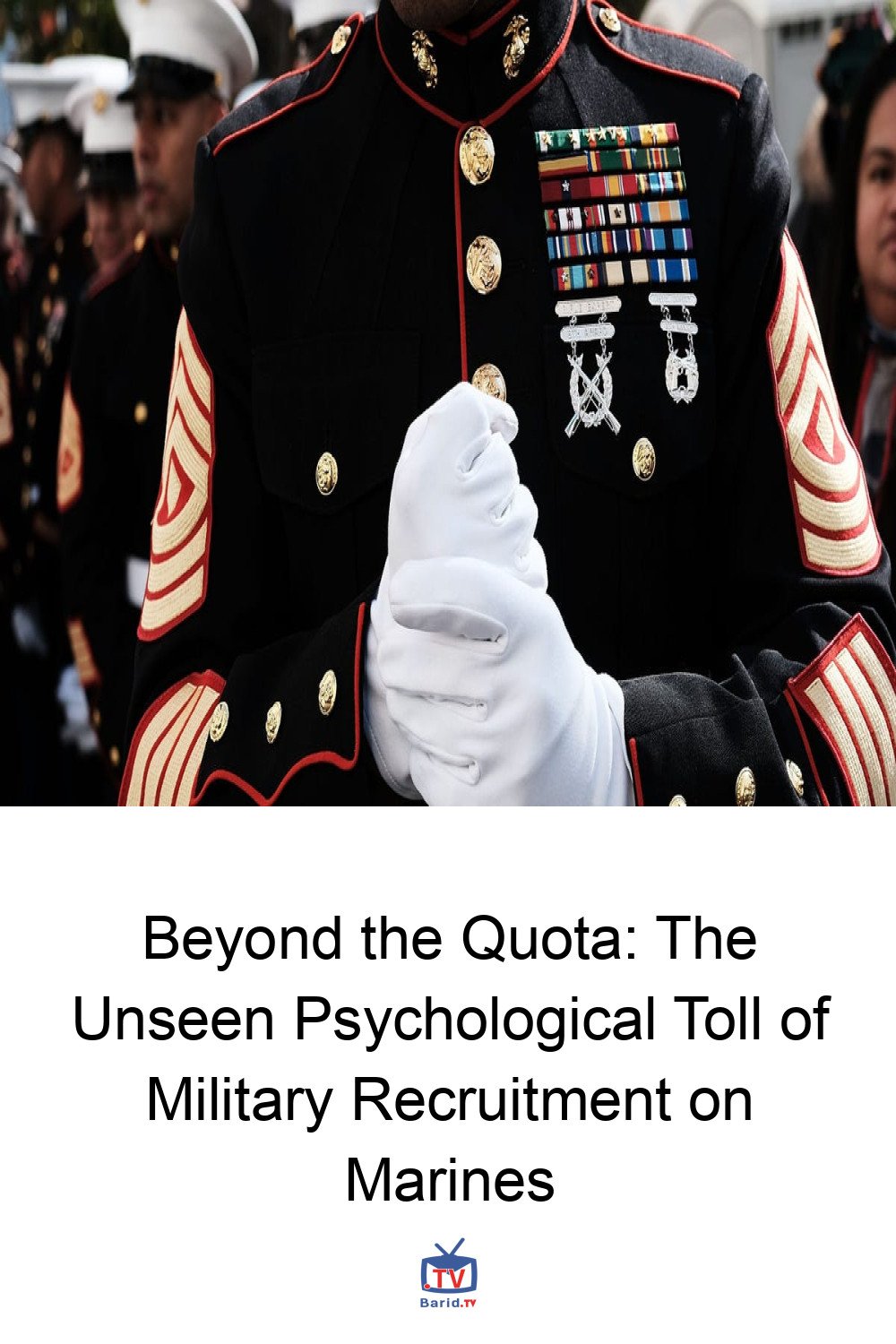
The United States Marine Corps, an institution synonymous with unwavering strength and an indomitable spirit, places its personnel in some of the most demanding environments imaginable. Yet, one of the most brutal battlegrounds isn’t found in distant lands, but in the heart of American communities: the recruiting station. Often overlooked, the intense pressure of military recruitment missions can exact a profound psychological toll, breaking even the most resilient Marines leading the charge.
The Relentless Pursuit: Quotas and Consequences
Recruiting duty is a unique beast within the military structure. Far from the camaraderie and clear objectives of a combat deployment, recruiters operate under relentless pressure to meet stringent quotas. Their success isn’t measured in enemy engagements but in signed contracts, a metric that can feel deeply personal and carry significant career implications. This environment fosters a high-stakes game where the line between motivation and desperation can blur, pushing dedicated service members to their limits.
Marines, trained for direct action and clear-cut missions, often find themselves ill-equipped for the nuanced, often emotionally draining, world of sales and persuasion. The constant need to identify, engage, and convince young prospects – many of whom are grappling with their own life decisions – can lead to profound moral and ethical dilemmas. Stories emerge of recruiters working 16-hour days, seven days a week, sacrificing personal lives and mental well-being in the relentless pursuit of numbers.
The Burden of Command: Leaders Under Fire
For those in command roles within recruiting districts, the ‘burden of command’ takes on a different, yet equally heavy, form. They are tasked not only with achieving mission objectives but also with safeguarding the welfare of their Marines. This creates a difficult paradox: how to push their teams to meet critical enlistment goals while simultaneously recognizing and mitigating the psychological strain it imposes. Leaders often find themselves caught between the demands of the institution and the deteriorating mental health of their subordinates.
The pressure to perform can cascade down the ranks, creating an environment where stress, burnout, and even moral injury become pervasive. The very qualities that make a Marine an effective leader – dedication, resilience, and an unwavering commitment to mission – can also make them vulnerable to the insidious effects of this unique form of operational stress.
A Call for Recognition and Support
The experiences of these Marines highlight a critical, often unaddressed, aspect of military service. While combat stress is widely recognized, the psychological impact of non-combat, high-pressure roles like recruiting often goes unacknowledged. There is a growing need for the military to re-evaluate its recruiting strategies, offering more robust mental health support, realistic expectations, and a deeper understanding of the human cost involved.
Ultimately, the strength of the Marine Corps lies not just in its fighting prowess, but in the well-being of its people. Acknowledging and addressing the ‘burden of command’ and the psychological toll of recruiting missions is not just an act of compassion; it is essential for maintaining the integrity and long-term health of the force.
For more details, visit our website.
Source: Link