
The Heart of AI: From Utility to Unconditional Companionship at CES 2026
Artificial intelligence is undergoing a profound transformation, stepping out from behind our screens and into our lives in the most unexpected ways. While we’ve grown accustomed to AI optimizing our tasks and streamlining our routines, a quieter, yet deeply significant, trend emerged from CES 2026: AI that simply wants to be your friend. Far from the complex algorithms designed to steal jobs or manage smart homes, a new breed of AI companion robots and pets is signaling a future where technology offers not just function, but genuine, albeit artificial, companionship.
Beyond the Bots: A New Era of AI Companionship
Las Vegas was, as always, a spectacle of purpose-built machines. Samsung’s voice-controlled refrigerators, Bosch’s Alexa Plus-powered AI barista, and advanced robovacs like Narwal’s earring-finding Flow 2 or Anker’s aromatherapy-diffusing Eufy S2 all promised to automate the drudgery of daily life. Humanoid robots, such as LG’s CLOiD and SwitchBot’s Onero H1, also garnered significant attention, pushing the boundaries of general-purpose assistance in homes and factories. Yet, amidst these displays of cutting-edge utility, a different narrative began to unfold: robots designed with little purpose beyond their mere existence.
From Screen-Bound Friends to Physical Presence
This shift towards companionship was evident in several innovative products. Take Loona’s DeskMate, for instance. This ingenious device transforms your iPhone into a charming desktop companion, complete with oversized, Pixar-esque eyes that track your gaze. While it boasts practical features like Slack integration and meeting assistance, these functionalities feel almost secondary to its primary role as an engaging presence. The underlying AI, though vaguely described, clearly prioritizes interaction and emotional connection.
Similarly, AI robotics startup Zeroth introduced W1, a robot reminiscent of WALL-E (or its “off-brand cousin” in markets without Disney licensing). W1’s primary functions are simple: following you around, carrying small items, and snapping photos. Built on “advanced mobility and environmental AI,” its appeal lies in its endearing presence rather than its practical applications. Currently exclusive to China, W1 embodies the essence of a non-essential, yet delightful, companion.
Zeroth also unveiled M1, a doll-sized humanoid robot destined for US homes. This companion seamlessly blends utility—offering reminders, childcare assistance, and fall detection—with genuine companionship, powered by Google’s Gemini AI model for natural conversations. This hybrid approach has already proven immensely popular in parts of Asia, particularly China and South Korea, where social robots are cherished by children and the elderly alike. CES 2026 marks a deliberate effort to repackage and market this concept for Western households, suggesting a broader acceptance of AI as a social entity.
The Rise of Robotic Pets: Emotional Connections
The pursuit of emotional companionship extended even further into the realm of robotic pets. Fuzozo, a delightful puffball, purrs contentedly when petted and can recognize its owner. Uniquely, Fuzozo features a cellular connection, allowing it to accompany you anywhere – a subtle hint at the pervasive presence these products might achieve in the future. While the precise application of AI within Fuzozo remains somewhat undefined, its core appeal is undeniably emotional.
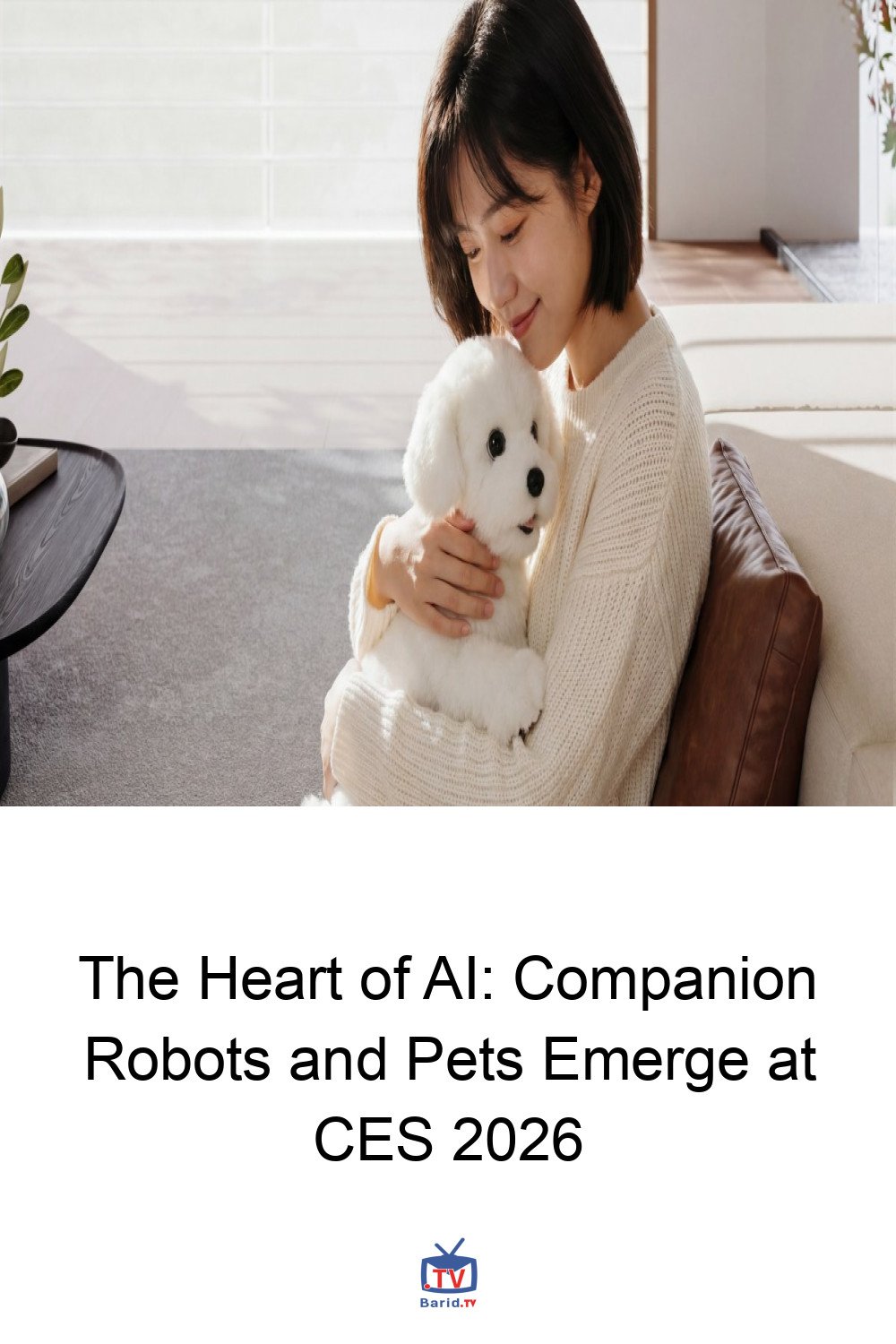
Even robovac giant Ecovacs ventured into this territory with LilMilo, an emotional companion robot designed to resemble a charming Bichon Frisé. Ecovacs claims LilMilo utilizes AI and “lifelike biometrics” to recognize voices, develop a distinct personality, and adapt to user habits. Yet, like many of its counterparts, the specifics of LilMilo’s AI capabilities are kept generic. It’s a curious product from a company known for robotic pool cleaners, but a profoundly telling indicator of how companies now anticipate us welcoming physical AI companions into our homes – not for what they do, but simply for the joy of their presence.
The Future is Friendly: Welcoming AI into Our Homes
The innovations showcased at CES 2026 paint a clear picture: AI is evolving beyond a tool for efficiency and into a source of comfort and connection. This new wave of companion robots and pets challenges our traditional understanding of technology, inviting us to embrace AI not just for its capabilities, but for its capacity to enrich our emotional lives. As these endearing machines become more sophisticated and accessible, we stand on the cusp of a future where AI isn’t just smart, but genuinely friendly, ready to share our spaces and our lives.
For more details, visit our website.
Source: Link