A High-Stakes Bet: Trump’s Venezuelan Oil Ambition Faces Steep Reality
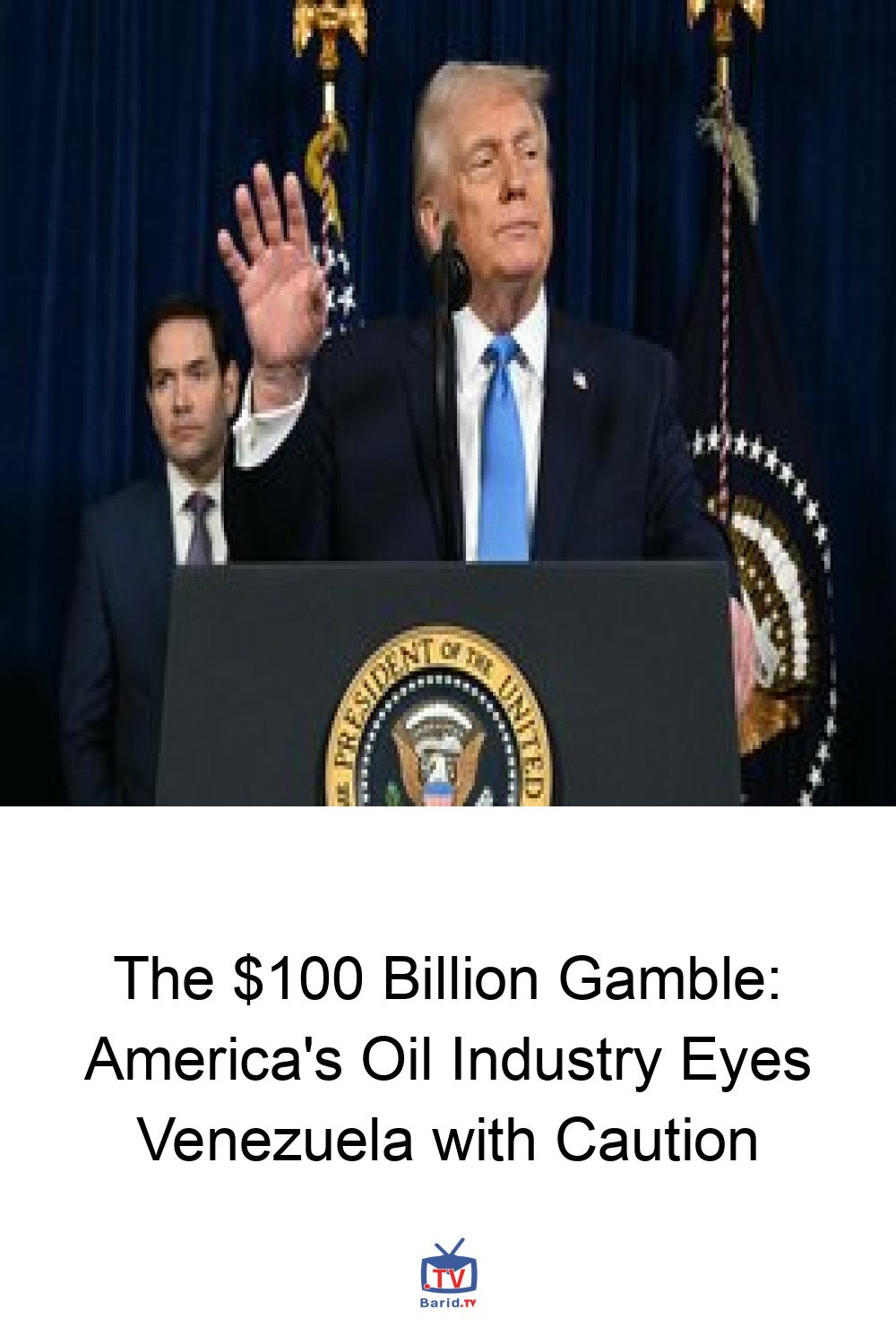
President Donald Trump’s bold vision to “make Venezuela great again” by revitalizing its once-mighty oil sector is a proposition as ambitious as it is expensive. While the U.S. administration, following a stunning military raid that led to the capture of Nicolás Maduro and his wife, Cilia Flores, seeks to enlist American oil companies in this endeavor, the path ahead is fraught with immense financial, political, and operational hurdles.
The new Venezuelan government, led by ex-oil minister Delcy Rodríguez, has extended an olive branch to the U.S., but major American oil players like ConocoPhillips are understandably hesitant. The staggering costs and profound uncertainties surrounding the nation’s future cast a long shadow over any potential commitments.
The $100 Billion Question: Reviving a Collapsed Industry
The financial scale of this undertaking is monumental. Energy analysts have begun to crunch the numbers, revealing a daunting price tag. Francisco Monaldi, a Latin American energy policy expert at Rice University, estimates that tripling Venezuela’s current oil output to its peak 1970s levels would demand a colossal
$100 billion over a decade. This figure underscores the devastation wrought by years of U.S. sanctions, chronic mismanagement, and pervasive corruption within the sector.
Even a more modest target presents a significant investment. Ali Moshiri, who previously oversaw Chevron’s operations in Venezuela until 2017, suggests that boosting production to 1.5 million barrels per day within 18 months could cost approximately
$7 billion. These figures highlight the sheer scale of investment required to resuscitate an industry that is a mere shadow of its former self.
Venezuela’s Oil Production: A Fading Giant
Once a global oil powerhouse, Venezuela’s production has plummeted. It currently pumps around 900,000 barrels per day, representing a mere 1% of the total global oil market. This is a stark contrast to its heyday two decades ago, when output consistently exceeded 2 million barrels per day. Reaching even these past levels, let alone surpassing them, will require unprecedented capital injection and technological expertise.
Political Quicksand: Instability and Uncertainty
Beyond the financial burden, the political landscape in Venezuela remains a volatile environment. The legality of the recent raid that led to Maduro’s capture is being questioned by experts and the UN, ensuring that a stable political environment will be in short supply for the foreseeable future. This inherent instability is a primary deterrent for international investors seeking long-term security for their capital.
Juan Gonzalez, a former aide to President Biden on Western Hemisphere affairs, noted on X that the current approach represents “the path of least resistance for Washington and the Venezuelan government: avoid chaos, keep oil flowing, and claim order without confronting the hardest tradeoffs.” This suggests that while a new government is in place, the underlying power structures that contributed to the country’s instability may largely remain intact.
Navigating Nationalization: A Major Stumbling Block
A significant operational hurdle for U.S. oil companies is Venezuela’s long-standing mandate that state-owned Petróleos de Venezuela (PDVSA) hold a majority ownership stake in every oil project. This nationalization policy famously compelled giants like ConocoPhillips and ExxonMobil to exit the country nearly two decades ago. The Trump administration has indicated it is pressing the new Venezuelan government to revoke this law, recognizing it as a critical barrier to attracting foreign investment.
Trump’s Vision vs. Market Reality
Despite the administration’s enthusiasm, concrete details on how this ambitious gamble would work, particularly regarding financing, have been scarce. President Trump stated that oil companies would initially bear the responsibility of financing new projects, with the federal government providing compensation at an unspecified later date. This lack of clarity only amplifies the confusion surrounding post-Maduro Venezuela’s economic future.
Secretary of State Marco Rubio, however, expressed optimism, stating on ABC’s “This Week” that the administration anticipates “dramatic interest” from Western oil companies eager to drill for Venezuela’s heavy crude, which is well-suited for refining on the U.S. Gulf Coast. Interior Secretary Doug Burgum and Energy Secretary Chris Wright are reportedly set to engage with chief executives at U.S. oil companies to gauge their interest. Yet, the immense costs, political volatility, and historical operational challenges mean that America’s oil industry is likely to approach this Venezuelan proposition with extreme caution.
For more details, visit our website.
Source: Link