



Solar Power Explained for Kids
Solar power is a way to generate electricity from sunlight. It’s a clean and renewable source of energy that can help reduce our reliance on fossil fuels and protect the environment.
How Does Solar Power Work?
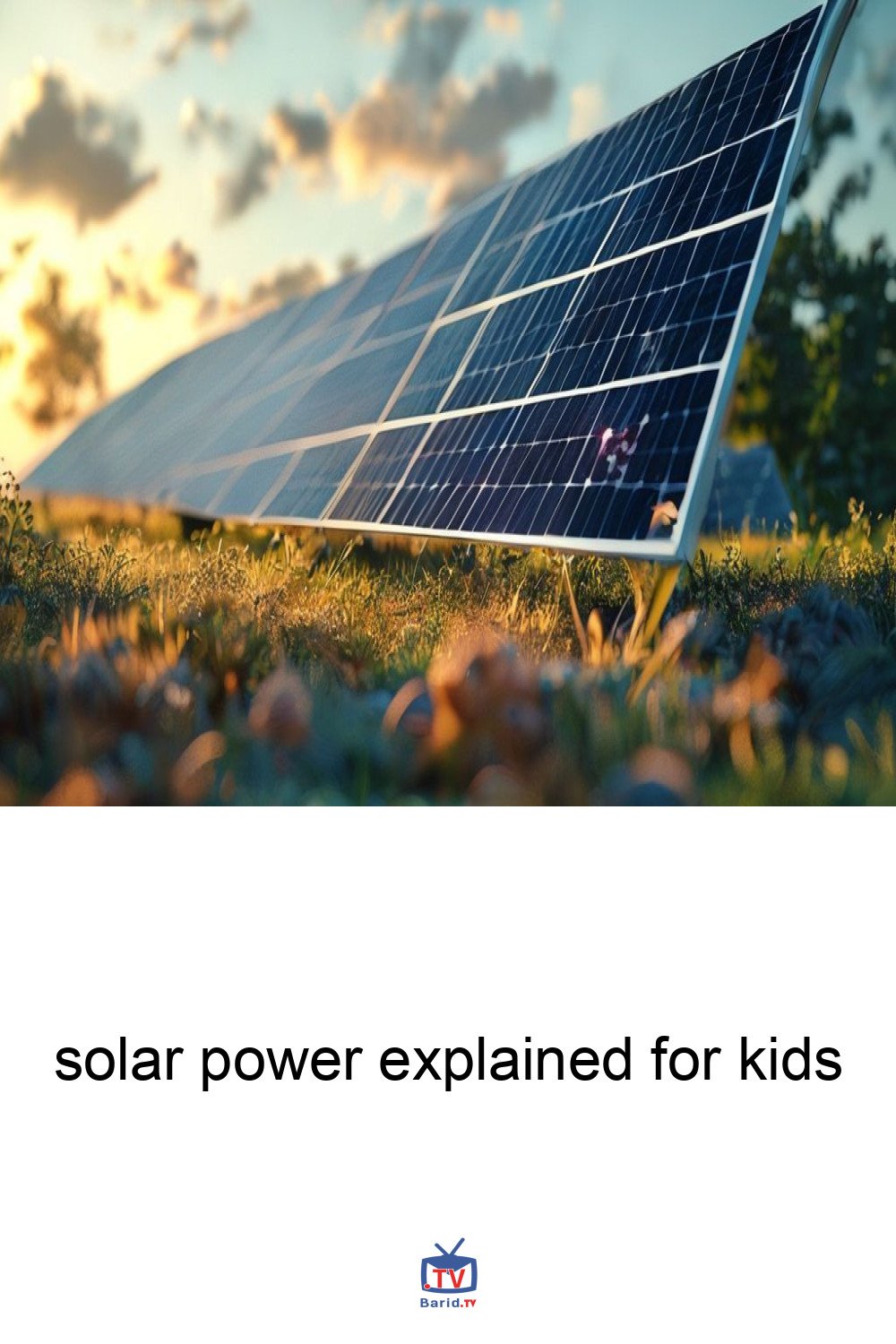
Solar power works by using special panels called photovoltaic (PV) panels to convert sunlight into electricity. These panels are made up of many small solar cells that are made from semiconducting materials like silicon.
- When sunlight hits a solar cell, it excites the electrons in the material, causing them to flow through the material and create an electric current.
- The electric current is then sent through an inverter, which converts the DC power into AC power that can be used to power our homes and devices.
- The AC power is then fed into the electrical grid, where it can power our homes, schools, and businesses.
Benefits of Solar Power
Solar power has many benefits for our environment and our communities. Some of the benefits include:
- Reducing our reliance on fossil fuels and lowering greenhouse gas emissions.
- Generating clean and renewable energy that can help reduce pollution and protect our air and water.
- Creating jobs and stimulating local economies through the installation and maintenance of solar panels.
- Providing energy independence and reducing our reliance on the grid.
Fun Facts About Solar Power
Here are some fun facts about solar power that kids might find interesting:
- The first solar panel was invented in 1883 by Charles Fritts.
- Solar panels can last for up to 30 years or more with proper maintenance.
- The largest solar farm in the world is located in China and covers an area of over 12 square miles.
- Solar power can be used to charge our phones, laptops, and other devices on the go.
Conclusion
Solar power is an exciting and important source of energy that can help reduce our reliance on fossil fuels and protect our environment. By understanding how solar power works and its many benefits, we can inspire the next generation of scientists, engineers, and innovators to create a cleaner and more sustainable future.






Comments are closed.