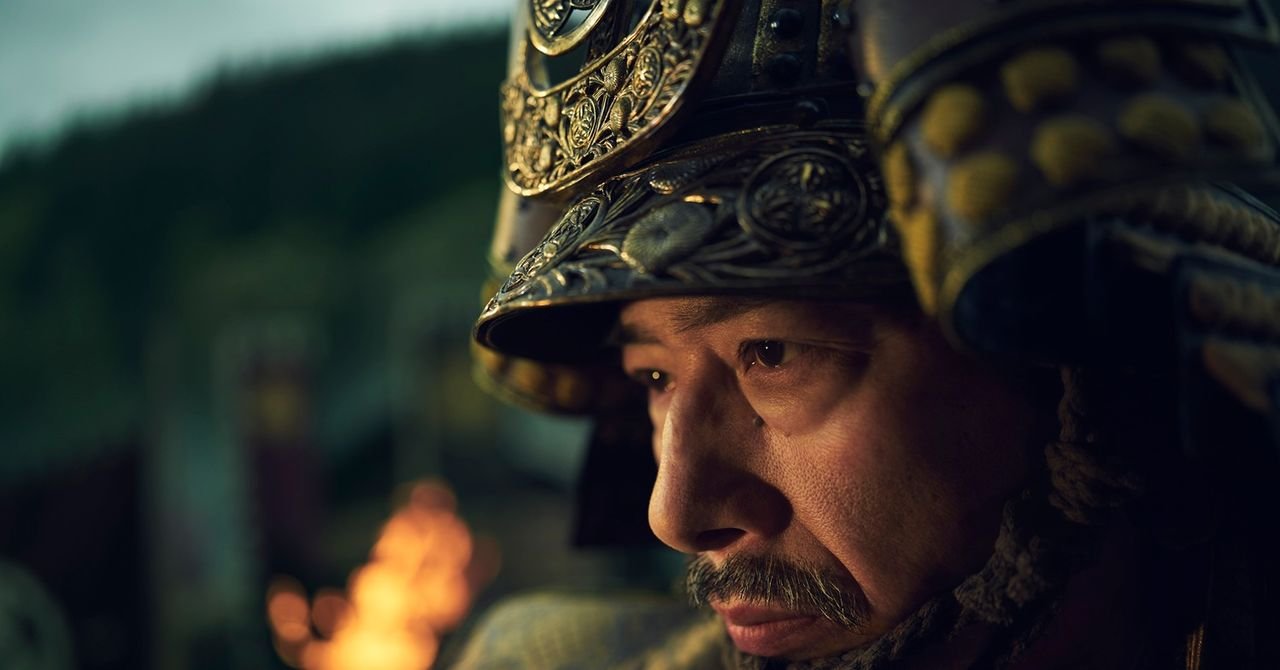

In an era dominated by algorithmic recommendations, the resounding success of FX and Hulu’s ‘Shogun’ stands as a testament to the enduring power of exceptional storytelling. This largely subtitled, culturally rich historical drama, set in 17th-century Japan, not only captivated global audiences but also swept the 2024 Primetime Emmy Awards with a record-breaking 18 wins. As filming for Season 2 is set to commence in early 2026, showrunner Justin Marks and writing overseer Rachel Condou offer an exclusive glimpse into their ambitious plans for the series’ next chapter.
The Unprecedented Triumph of ‘Shogun’
For Justin Marks, the true victory of ‘Shogun’ Season 1 wasn’t merely the multitude of trophies, but the enthusiastic embrace from American audiences. The series faced considerable hurdles to U.S. popularity, notably the prevalent resistance to subtitles and a perceived cultural distance from Western viewers. With approximately 70 percent of its dialogue in Japanese and a cast largely unfamiliar to American audiences, its ability to hold viewer interest was remarkable.
“What was most encouraging was the enthusiastic response from the American audience,” Marks reflects. He attributes this success to a fundamental human desire for discovery, a yearning often overlooked by algorithms designed to serve familiar content. “The algorithm only presents choices that are similar to past choices, so choices that venture into an unknown culture are unlikely to be recommended in the first place.” ‘Shogun’ proved that the appetite for such cultural exploration is undeniably present.
A Creative Partnership Forged in Story
The intricate world of ‘Shogun’ was meticulously crafted by a formidable creative duo: executive producer Justin Marks and Rachel Condou, who led the writing team. This husband-and-wife team’s collaborative process, though sometimes marked by spirited debate, was a cornerstone of the show’s success. “We worked on the script in different rooms, going back and forth from room to room. He would delete words and I would put them back in, and sometimes we would argue. But looking back, I think it was a really fun time,” Condou shares, painting a picture of a dynamic and passionate partnership.
Authenticity as a Cornerstone
Rachel Condou’s personal background as a Japanese-American deeply informed the series’ profound cultural sensitivity. Having grown up in Hawaii within a vibrant Japanese community, she possesses an innate understanding of cultural exchange and adaptation. “Learning about Japanese culture is part of my roots,” she states, emphasizing how this dual perspective enriched the script with nuance, precise word choice, and an acute awareness of emotional differences across cultures.
This commitment to authenticity extended to the set, profoundly influenced by Hiroyuki Sanada, who portrayed the pivotal role of Toranaga Yoshii. Marks recounts learning “almighty patience” from Sanada. “He would teach me how to tie an obi or angle a sword, over and over again,” Marks explains, praising Sanada’s unwavering dignity and generosity towards every crew member, regardless of their experience. This steadfast composure and dedication to accuracy undoubtedly fueled viewers’ curiosity and desire to understand an unfamiliar culture.
Season 2: A Bold Leap into the Unknown
If Season 1 was an “unexpected success,” Marks declares Season 2 to be “an experiment in subverting expectations.” The most striking decision? A bold 10-year time jump from the first season’s finale. While Season 1 vividly depicted the chaos leading up to the Battle of Sekigahara in 1600, Season 2 will explore the subsequent period when the Tokugawa regime was established, yet the balance of power remained precariously unstable.
Marks elaborates on this strategic leap: “We thought that a longer period of time would allow us to focus more attention on the grieving characters. In other words, the idea was not to have the beginning of Season 2 serve as an extension of Season 1—like ‘episode 11’—but to create a break and create the first chapter of ‘part 2.’”
The Game of Storytelling
This audacious choice is rooted in Marks’ long-held philosophy that storytelling is an intricate “game” between creators and audience. While viewers naturally try to predict narrative arcs, the filmmaker’s role is to defy those expectations. “How can we surprise the audience from the very first episode?” Marks reveals was a central discussion in the writers’ room.
Where Season 1 engaged audiences with an emotionally charged political struggle, prompting viewers to choose sides, Marks promises that Season 2 will shift its “game” to “unpredictable surprises.” This commitment to innovation and challenging conventional narrative structures ensures that ‘Shogun’s’ return will be as compelling and groundbreaking as its debut.
For more details, visit our website.
Source: Link