
A New Dawn for Venezuelan Oil? Markets React to Maduro’s Capture
The global energy landscape is buzzing with anticipation following the dramatic capture of Venezuelan President Nicolas Maduro by U.S. forces in a Saturday raid. This seismic geopolitical shift has immediately sent ripples through financial markets, with investors keenly eyeing the potential for a significant repricing of oil as Venezuela’s vast, yet long-stifled, supply could re-enter the global market.
The immediate market reaction was palpable: the Dow Jones Index surged by 750 points midday on January 5th, while crude oil contracts, as measured by the Crude Oil Continuous Contract, climbed 1.4%. The prospect of unlocking Venezuela’s staggering 303 billion barrels of proven oil reserves – approximately 17% of the world’s total – has ignited a speculative fervor, particularly benefiting U.S. energy companies.
The Long Road Ahead: Rebuilding a Decimated Industry
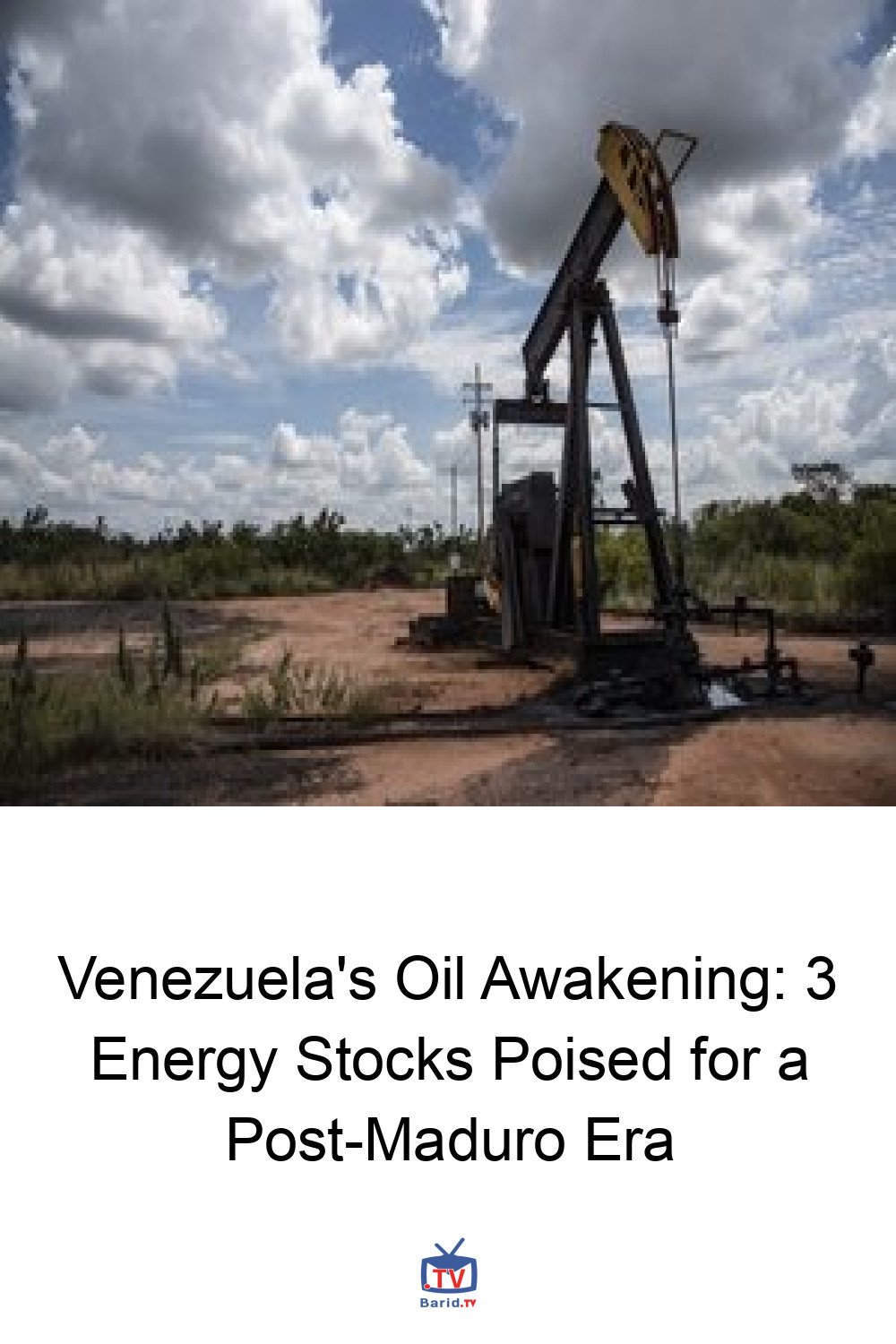
Despite its immense natural wealth, Venezuela’s oil sector has been systematically hollowed out by years of crippling sanctions, chronic underinvestment, and profound government mismanagement. The vision of a swift return to peak production, however, is tempered by expert warnings.
Peter McNally, global head of sector analysts at Third Bridge, cautions, “It will take tens of billions of dollars in investment and at least a decade of Western oil majors committing to the country.” Furthermore, the legality of the U.S. raid itself is being questioned by experts, Democratic lawmakers, and the UN, adding a layer of geopolitical complexity to the investment outlook. Nevertheless, for those willing to take a long-term view, certain energy plays stand out.
Chevron (CVX): The Incumbent Advantage
Five-day share performance: 8.60%
Chevron shares saw a robust 5.2% increase in Monday trading, a reaction that comes as no surprise. CVX holds a unique position as the only major U.S. oil company with active operations in Venezuela. As the second-largest U.S. oil company, producing three million barrels daily, Chevron possesses both the operational muscle and the established geographical footprint to immediately capitalize on any energy industry rebuild.
TD Cowen analyst Menno Hulshof notes, “Chevron’s existing footprint could mean it is best positioned to benefit from more opportunity.” The company has maintained a crucial license from the U.S. Office of Foreign Assets Control (OFAC) to produce and export crude from its existing Venezuelan assets since late 2022. This has allowed Chevron to average approximately 200,000 barrels of oil from Venezuela, positioning it as an undeniable frontrunner in the post-Maduro oil landscape.
Valero (VLO): Refining the Opportunity
Five-day share performance: 8.80%
The “Venezuela oil shift” isn’t solely about production; it’s equally about the logistics of transportation and refining. This is where San Antonio-based Valero, a refining giant specializing in heavy crude oil, could see significant benefits. A newly aligned Venezuelan government could grant Valero access to the discounted, heavy, sour crude oil that Venezuela produces in abundance.
Valero boasts a long history of importing Venezuelan oil, with projections of bringing in around 70,000 barrels to the U.S. in 2025. With a refining capacity of up to 3.2 million barrels per day, Valero has ample room to re-engage with the Venezuelan market. Its strong regional connections are also expected to secure favorable pricing deals in a refiner-friendly Venezuelan oil market, adding substantial value to VLO shares. Coupled with the likelihood of increased availability of Venezuelan heavy crude and an attractive 2.5% dividend, Valero warrants a closer look from income-minded investors.
ConocoPhillips (COP): The Compensation Catalyst
Five-day share performance: 6.0%
ConocoPhillips shares climbed as much as 6.0% in Monday trading, buoyed by the Venezuelan geopolitical developments. While the Houston-based producer currently lacks active oil operations in Venezuela, it stands to receive potentially billions of dollars in compensation from expropriated funds.
This stems from a World Bank’s ICSID ruling that Venezuela, under former president Hugo Chavez, unlawfully expropriated ConocoPhillips’ assets, ordering a significant payout. With Chavez long gone and Maduro now in U.S. custody, the probability of a U.S.-friendly government in Caracas honoring COP’s $8.7 billion award, plus interest (with a potential ceiling of $20 billion), has dramatically increased. Analysts have taken note, with Citi and Bernstein affirming Buy ratings on COP shares on January 5th, reflecting the substantial upside potential for investors.
Navigating the New Frontier
The capture of Nicolas Maduro marks a pivotal moment for Venezuela and the global oil market. While the path to full recovery for Venezuela’s oil industry will be complex and protracted, the immediate market reaction highlights the immense potential. Investors with a strategic, long-term outlook may find compelling opportunities in established players like Chevron, refining specialists like Valero, and those with significant compensation claims like ConocoPhillips, as Venezuela potentially embarks on a new chapter.
For more details, visit our website.
Source: Link