

New England Seafood Cargo Theft: Introduction
New England is known for its rich seafood industry, with oysters, crab, and lobster being some of the most sought-after delicacies. However, a recent string of thefts has highlighted a growing concern in the region: cargo theft. Specifically, seafood cargo theft has become a significant problem, with thieves targeting shipments of oysters, crab, and lobster.
Recent Incidents of Seafood Cargo Theft
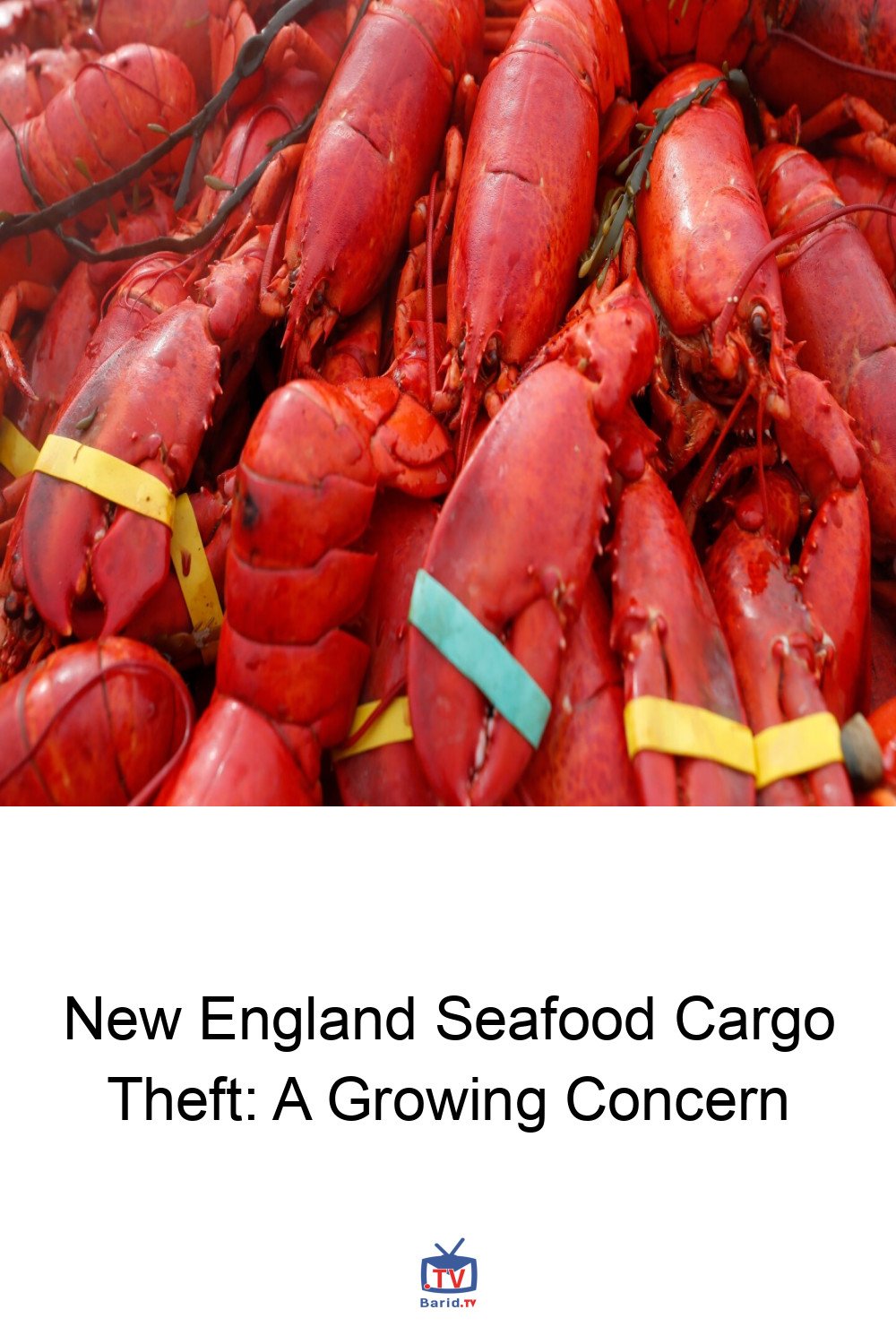
There have been several reported incidents of seafood cargo theft in New England in recent weeks. In one incident, 40,000 oysters were stolen, along with the 14 cages in which they were stored. In another incident, a cache of crabmeat was stolen. Perhaps the most significant theft was the disappearance of $400,000 worth of processed lobster meat from a freight company in Taunton.
- 40,000 oysters stolen, along with 14 cages
- Cache of crabmeat stolen
- $400,000 worth of processed lobster meat stolen
Cargo Theft: A Growing Concern
Cargo theft is a growing concern in the United States, with food being the number one target. According to experts, cargo theft can have significant consequences, including financial losses for companies and potential safety risks for consumers. In the case of seafood cargo theft, the stolen goods are often sold on the black market, which can lead to a range of problems, including the spread of foodborne illnesses.
Impact of Seafood Cargo Theft on the Industry
The impact of seafood cargo theft on the industry cannot be overstated. Not only do these thefts result in significant financial losses for companies, but they also damage the reputation of the seafood industry as a whole. Furthermore, seafood cargo theft can lead to increased costs for consumers, as companies are forced to pass on the costs of these thefts to their customers.
In addition to the financial and reputational impacts, seafood cargo theft can also have environmental consequences. For example, the theft of oysters and other seafood can disrupt the delicate balance of the marine ecosystem, leading to long-term damage to the environment.
Prevention and Mitigation Strategies
There are several strategies that companies can use to prevent and mitigate the impact of seafood cargo theft. These include:
Implementing robust security measures, such as GPS tracking and surveillance cameras
- Conducting thorough background checks on employees and contractors
- Implementing strict access controls, such as biometric identification and secure storage facilities
- Collaborating with law enforcement agencies to investigate and prosecute cargo theft crimes
Conclusion
In conclusion, seafood cargo theft is a significant problem in New England, with recent incidents highlighting the need for increased security measures and collaboration between companies and law enforcement agencies. By understanding the scope of the problem and implementing effective prevention and mitigation strategies, the seafood industry can reduce the impact of cargo theft and protect the integrity of the supply chain.
FAQ
Here are some frequently asked questions about seafood cargo theft:
- Q: What is cargo theft?
- A: Cargo theft refers to the theft of goods in transit, including seafood.
- Q: Why is seafood a target for cargo theft?
- A: Seafood is a high-value commodity that can be easily sold on the black market, making it an attractive target for thieves.
- Q: What are the consequences of seafood cargo theft?
- A: The consequences of seafood cargo theft include financial losses for companies, potential safety risks for consumers, and damage to the reputation of the seafood industry.
- Q: How can companies prevent seafood cargo theft?
- A: Companies can prevent seafood cargo theft by implementing robust security measures, conducting thorough background checks, and collaborating with law enforcement agencies.