
Trump’s Arctic Ambition Reignited: A Post-Venezuela Declaration
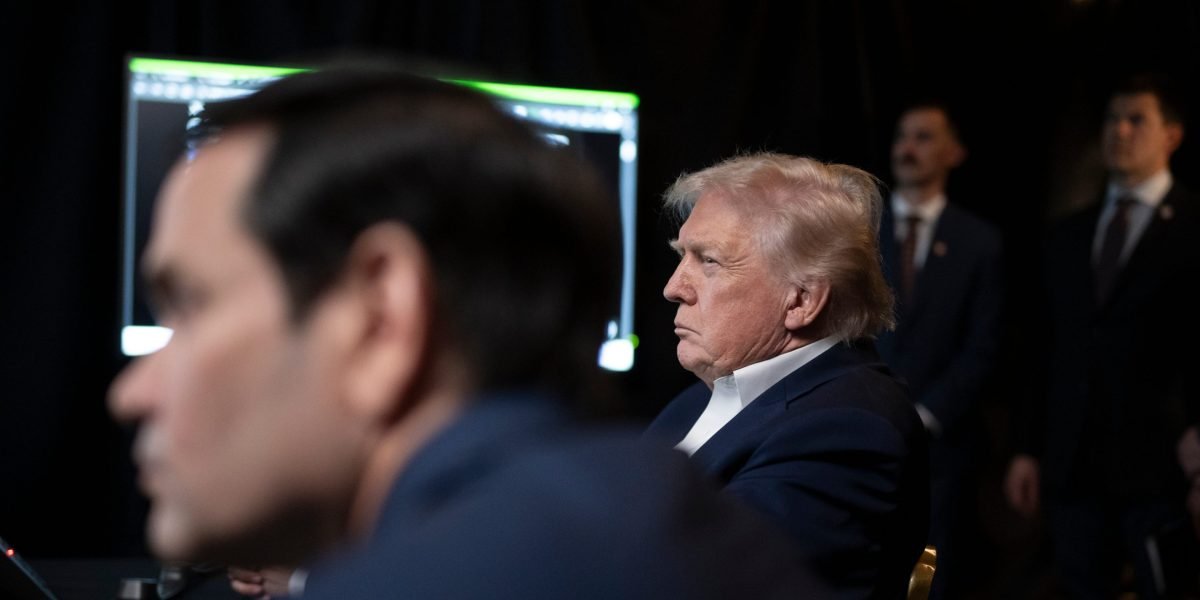
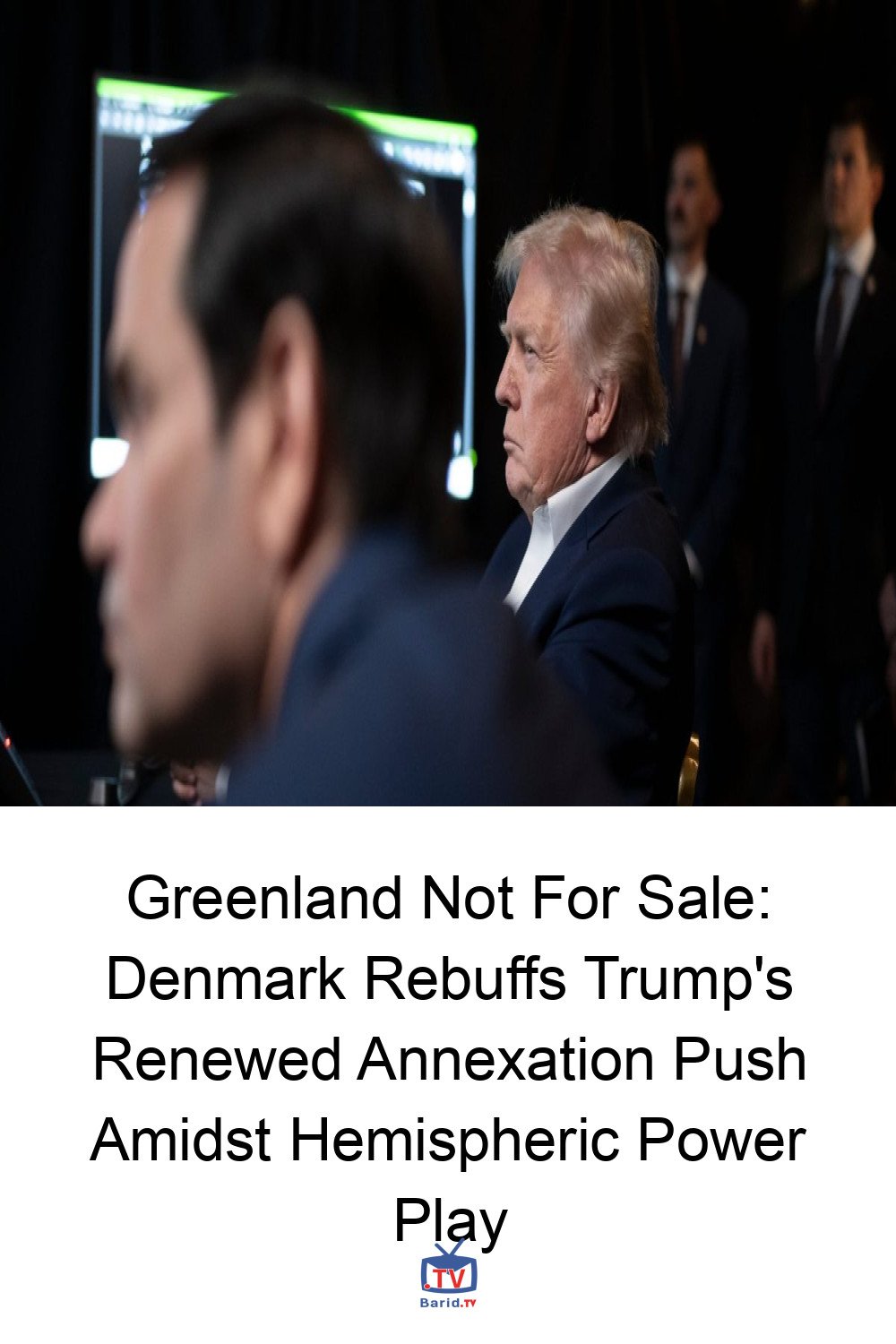
In the wake of a dramatic U.S. military operation in Venezuela, former President Donald Trump has once again cast his gaze upon Greenland, reiterating his desire for an American acquisition of the vast Danish territory. Citing U.S. security interests and the island’s strategic location “surrounded by Russian and Chinese ships,” Trump’s renewed calls signal a potentially more expansive and assertive U.S. role in the Western Hemisphere.
The timing of these comments, following the ouster of Venezuela’s Nicolás Maduro and coupled with Secretary of State Marco Rubio’s stern warnings to Cuba, underscores a palpable shift in U.S. foreign policy. The question reverberating globally is clear: who’s next in the crosshairs of this emboldened American approach?
Denmark’s Resolute Rejection: ‘No Right to Annex’
Trump’s persistent overtures have met with an unequivocal rejection from Denmark. Prime Minister Mette Frederiksen swiftly declared that the U.S. has “no right to annex” Greenland, emphasizing the territory is not for sale. She reminded the U.S., a fellow NATO ally, of existing security agreements that already grant broad access to Greenland, urging an end to threats against a historically close partner.
The sentiment was echoed across Denmark and Greenland, further inflamed by a social media post from a former Trump administration official depicting Greenland draped in the Stars and Stripes with the caption “SOON.” Denmark’s chief envoy to Washington, Amb. Jesper Møller Sørensen, responded sharply, asserting the “full respect for the territorial integrity of the Kingdom of Denmark.”
The ‘Don-roe Doctrine’ and Hemispheric Assertiveness
Trump’s administration has consistently championed a strategy of restoring “American preeminence in the Western Hemisphere.” This approach draws heavily from historical precedents like the 19th-century Monroe Doctrine, which opposed European colonialism, and the Roosevelt Corollary, used to justify U.S. intervention in the region. Trump himself has playfully dubbed this assertive stance the “Don-roe Doctrine.”
His appointment of Louisiana Governor Jeff Landry as a special envoy to Greenland, tasked with helping “make Greenland a part of the U.S.,” further illustrates the seriousness behind these ambitions, despite the international outcry.
Cuba Under Scrutiny: A Stern Warning
Meanwhile, the U.S. administration’s focus has also sharpened on Cuba, a key ally and trading partner of Venezuela. Secretary of State Marco Rubio issued a stark warning to the Cuban government, alleging their direct involvement in Maduro’s security and internal intelligence operations in Venezuela. “It was Cubans that guarded Maduro,” Rubio stated, highlighting their role in preventing “traitors” within the Venezuelan government.
Trump himself characterized Cuba as a “very similar” failing nation to Venezuela, expressing a desire to “help the people.” These statements, coupled with the recent events in Venezuela, signal a potential escalation of pressure on Havana, raising concerns about the future of U.S.-Cuba relations, which have remained hostile since the 1959 Cuban revolution.
International Implications and Future Tensions
The U.S. administration’s aggressive posture, from the audacious operation in Venezuela to the persistent pursuit of Greenland and the stern warnings to Cuba, marks a significant shift in its engagement with the Western Hemisphere and beyond. While Denmark stands firm on its sovereignty, and the EU emphasizes the right of the Venezuelan people to self-determination, the ‘Who’s next?’ question looms large, indicating a period of heightened international tension and diplomatic challenges.
For more details, visit our website.
Source: Link