





In our fast-paced world, the humble protein bar has become a ubiquitous symbol of on-the-go nutrition. Marketed as a quick fix for hunger and a powerful muscle builder, these convenient snacks line supermarket shelves, promising everything from sustained energy to weight loss. But beneath the glossy wrappers and bold claims lies a crucial distinction: are you grabbing a genuinely nutritious boost or a cleverly disguised candy bar? As expert English journalists, we delve into the science and scrutinize the labels to bring you an unparalleled guide to choosing the best protein bars for 2026, ensuring your grab-and-go choices truly fuel your body, not just fill it.
The Protein Bar Paradox: Convenience vs. Nutrition
While protein bars offer undeniable convenience, it’s vital to frame them correctly: they are supplements to a balanced diet, not replacements for whole, unprocessed meals. Registered dietitians consistently champion whole foods – rich in fiber, healthy fats, and a spectrum of micronutrients – over ultra-processed alternatives. The challenge, then, lies in finding protein bars that bridge this gap, offering impressive protein counts without compromising on overall nutritional integrity. We’ve consulted leading nutrition experts to identify the key ingredients to embrace and those to sidestep, empowering you to make informed decisions.
Decoding the Label: What to Look For in a Protein Bar
Navigating the world of protein bars begins with a thorough understanding of the Nutrition Facts label. Every number on that label is tied to the serving size, so make that your first point of inspection. While most bars equate to a single serving, a quick confirmation is always prudent.
Serving Size: The Foundation
Before diving into the macronutrients, always confirm the serving size. For most protein bars, one bar equals one serving, but it’s a critical first step to ensure you’re interpreting the nutritional information accurately.
Calorie Count: Snack or Supplement?
The “ideal” calorie count hinges entirely on your personal dietary needs and goals. For a simple snack between meals, a bar around the 200-calorie mark is generally appropriate. However, if your aim is weight gain or if you’re genuinely seeking a temporary meal replacement (though experts advise against this as a regular practice), you might consider options closer to 350 calories. Remember, protein bars are best utilized to supplement whole foods, which provide a broader, more complex array of nutrients that snack bars simply cannot replicate.
Protein Power: Quantity and Quality
When it comes to protein, both quantity and quality matter immensely. Jamie Mok, a registered dietitian and spokesperson for the Academy of Nutrition and Dietetics, advises aiming for “10 to 20 grams of protein” per bar. Equally important is the source of that protein. Look for options derived from milk (whey, casein), soy, peas, or nuts – all recognized as effective and bioavailable protein sources.
Fiber’s Crucial Role: Digestion and Satiety
Often overlooked, fiber is a powerhouse nutrient that plays a pivotal role in stabilizing blood sugar, supporting digestive health, curbing cravings, and promoting sustained satiety. Mok recommends a benchmark of around 5 grams of fiber per energy bar, with a preference for fiber sourced from whole-food ingredients like nuts, seeds, or oats.
Ingredients to Avoid: Steering Clear of Hidden Traps
A golden rule for discerning healthy protein bars: the shorter and more recognizable the ingredient list, the better. The allure of high-protein snacks can sometimes mask a less desirable reality. As Mok cautions, “They could also sneakily pack a lot of added sugar, and turn into a candy bar.”
The Sugar Trap: Added Sweeteners
While there’s no universal cutoff, aiming for 5 grams of added sugar or less per bar is a sensible guideline. Scrutinize both the nutritional label and the ingredient list. Be wary of ingredients like syrups (corn syrup, rice syrup, agave syrup) and fruit juice concentrates, which are common indicators of hidden added sugars.
Sugar Alcohols: A Double-Edged Sword
Many brands reduce sugar content by incorporating sugar alcohols such as erythritol, maltitol, or sorbitol. These offer fewer calories than sugar and don’t cause the same blood glucose spikes. However, for some individuals, especially in higher doses, sugar alcohols can trigger uncomfortable gastrointestinal symptoms like bloating, gas, or general discomfort. If you experience stomach issues after consuming protein bars, sugar alcohols are often the culprit. While one bar might be tolerated, consuming several in a day can quickly become problematic.
Unhealthy Fats and Artificial Additives
It’s also prudent to limit bars that heavily rely on hydrogenated or partially hydrogenated oils, which are more processed forms of fat. Furthermore, be cautious of products laden with extensive lists of artificial sweeteners (e.g., sucralose), synthetic colors, or artificial flavors. Simplicity and natural ingredients are always preferable.
Our Expert-Vetted Picks: Top Protein Bars for 2026
After rigorous consultation with nutrition experts and careful evaluation against our stringent criteria, we’ve curated a selection of the best protein bars that truly stand out in the crowded market. These choices prioritize whole ingredients, optimal macronutrient profiles, and minimal undesirable additives.
Best Overall: RxBar Protein Bars
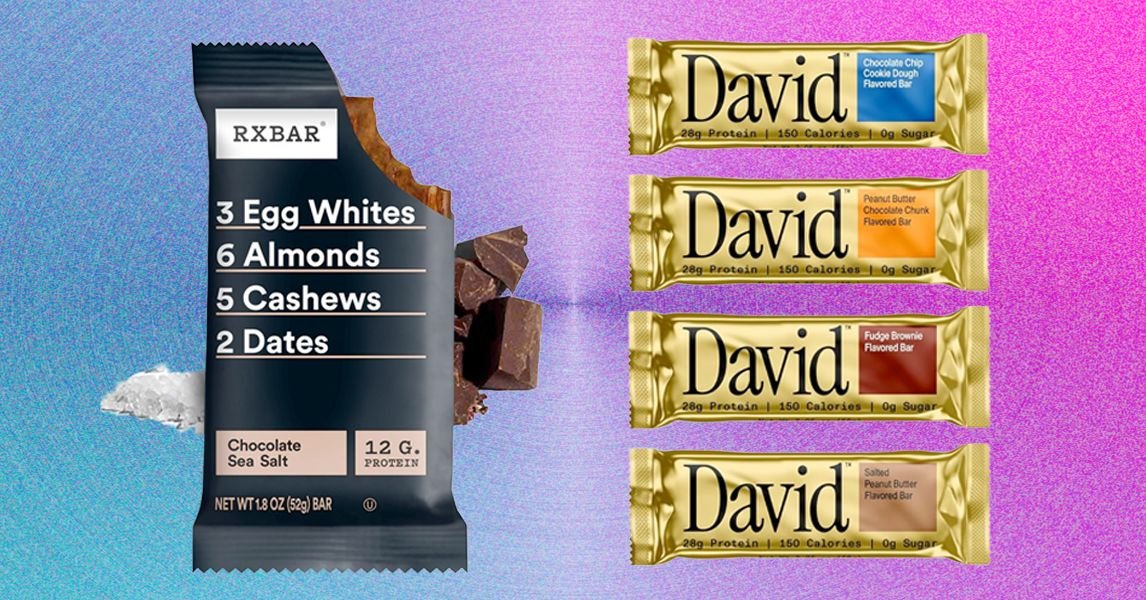
The RxBar Classic 12G continues to reign supreme as our top overall pick. Championing a philosophy of “No B.S.,” these bars are crafted from a remarkably short list of whole food ingredients. The base features egg whites – a complete protein source – dates for natural sweetness and binding, and a blend of nuts (pecans, hazelnuts, cashews, walnuts, peanuts, almonds). While the Chocolate Sea Salt flavor is a standout, RxBar offers a diverse range including Blueberry, Peanut Butter, and Vanilla Almond. Known for its distinctively chewy, sticky texture, those preferring a different mouthfeel might explore their Nut Butter & Oat Variety Pack, which substitutes dates for rolled oats.
- Nutrition Snapshot (Chocolate Sea Salt):
- Calories: 200
- Protein: 12 grams
- Fiber: 5 grams
- Added Sugars: 0 grams
Highest Protein Content: David Protein Bar Variety 6-Pack
Named with a nod to Michelangelo’s iconic sculpture, David protein bars carry an implicit promise of strength and sculpted physique. While the marketing is bold, the product delivers. The Peanut Butter Chocolate Chunk flavor, in particular, impressed us with its genuinely appealing taste and satisfying chewy texture, interspersed with delightful chocolate chunks and crispy rice. These bars are designed for those seeking a significant protein boost without sacrificing flavor. While specific macros vary by flavor, they consistently offer a robust protein count, making them ideal for post-workout recovery or substantial snacking.
Best Gluten-Free: Perfect Bar Variety Pack
For those with gluten sensitivities or preferences, the Perfect Bar Variety Pack offers an excellent solution. These bars are renowned for their fresh, refrigerated nature and are packed with whole food ingredients, often including nut butters, honey, and a blend of 20 organic superfoods. They provide a satisfyingly dense texture and a rich flavor profile, making them a popular choice for a substantial, gluten-free snack. While specific nutritional values vary across their delicious range, Perfect Bars consistently deliver a solid protein punch alongside beneficial fats and fiber, all within a gluten-free framework.
Conclusion: Fuel Your Body Smartly
Protein bars, when chosen wisely, can be a valuable asset in a busy lifestyle, offering a convenient way to meet your nutritional needs. However, the key lies in discernment. By understanding what to look for – optimal protein, sufficient fiber, and reasonable calorie counts – and what to avoid – excessive added sugars, problematic sugar alcohols, and artificial additives – you can transform your grab-and-go snack into a truly beneficial fuel source. Empower yourself with knowledge, and make every bite count towards your health and wellness goals.
For more details, visit our website.
Source: Link






Comments are closed.