
The Perilous Proposition: Examining Trump’s Hint at US Troops for Venezuelan Oil
In a move that sent ripples through diplomatic circles and ignited fervent debate, former President Donald Trump once hinted at the possibility of deploying U.S. troops to secure Venezuela’s vast oil reserves. While never formalized into policy, the mere suggestion underscored the volatile intersection of geopolitics, energy security, and military might. Such a proposition, however, is fraught with immense risks and complex implications that extend far beyond the immediate objective of safeguarding oil.
Venezuela’s Crisis and the Allure of Oil
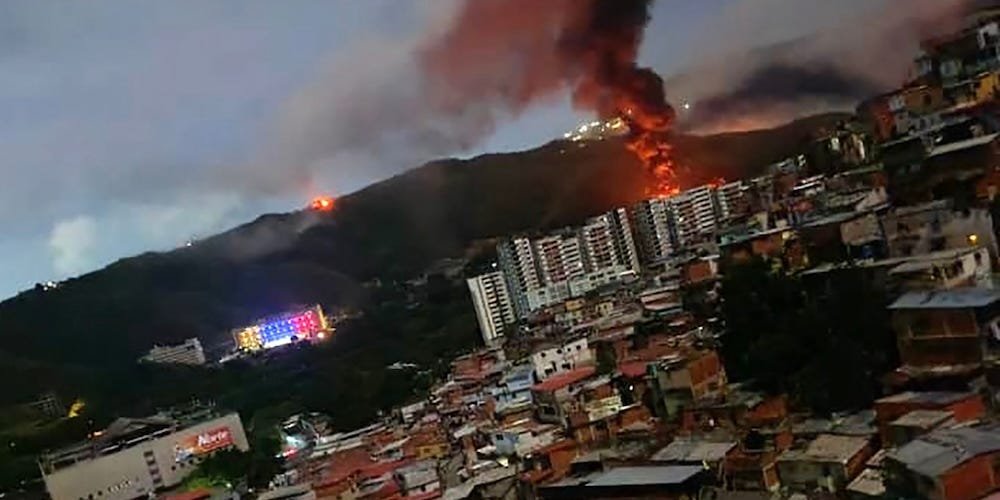
Venezuela, a nation blessed with the world’s largest proven oil reserves, has been mired in a deep political and economic crisis for years. Hyperinflation, widespread shortages, and mass emigration have crippled the country, creating a humanitarian catastrophe. Against this backdrop, the idea of external intervention, particularly one involving military force to protect its most valuable asset, raises critical questions about sovereignty, international law, and the potential for unintended consequences.
Geopolitical Minefield: The International Response
Any U.S. military presence in Venezuela, especially one explicitly linked to oil, would undoubtedly provoke strong reactions from key international players. Russia and China, both significant creditors and allies of the Maduro regime, would likely view such a move as a direct challenge to their influence in the region. Regional powers in Latin America, historically wary of U.S. interventionism, would also face immense pressure to condemn or support such an action, potentially destabilizing an already fragile geopolitical landscape. The specter of a proxy conflict, or even direct confrontation, cannot be easily dismissed.
The High Stakes of ‘Boots on the Ground’
Deploying U.S. troops to Venezuela would entail significant military, economic, and human costs. Beyond the immediate logistical challenges of an intervention in a complex urban and jungle environment, there are profound risks:
- Escalation: A military presence could easily escalate into a prolonged conflict, drawing the U.S. into a costly and potentially unwinnable war.
- Humanitarian Impact: Military operations invariably lead to civilian casualties and further exacerbate humanitarian crises, displacing populations and destroying infrastructure.
- Economic Burden: The financial cost of sustained military operations, coupled with potential sanctions and disruptions to global oil markets, would be enormous.
- Public Opinion: Such an intervention would likely face strong domestic opposition in the U.S., particularly if it resulted in American casualties or a protracted engagement.
Legal and Ethical Quandaries
From an international law perspective, a unilateral military intervention to secure resources would be highly contentious, potentially violating Venezuela’s sovereignty and setting a dangerous precedent. Ethically, the notion of using military force to protect economic interests, even under the guise of stability, raises profound questions about the moral compass of foreign policy.
Conclusion: A Path Paved with Peril
While the allure of Venezuela’s vast oil reserves might tempt some policymakers, the potential deployment of U.S. troops represents a path fraught with peril. The geopolitical complexities, the risk of military escalation, the humanitarian consequences, and the legal and ethical challenges demand extreme caution. As the world watches Venezuela’s ongoing crisis, the international community continues to grapple with finding a sustainable and peaceful resolution, one that ideally avoids the high stakes and inherent dangers of military intervention.
For more details, visit our website.
Source: Link