
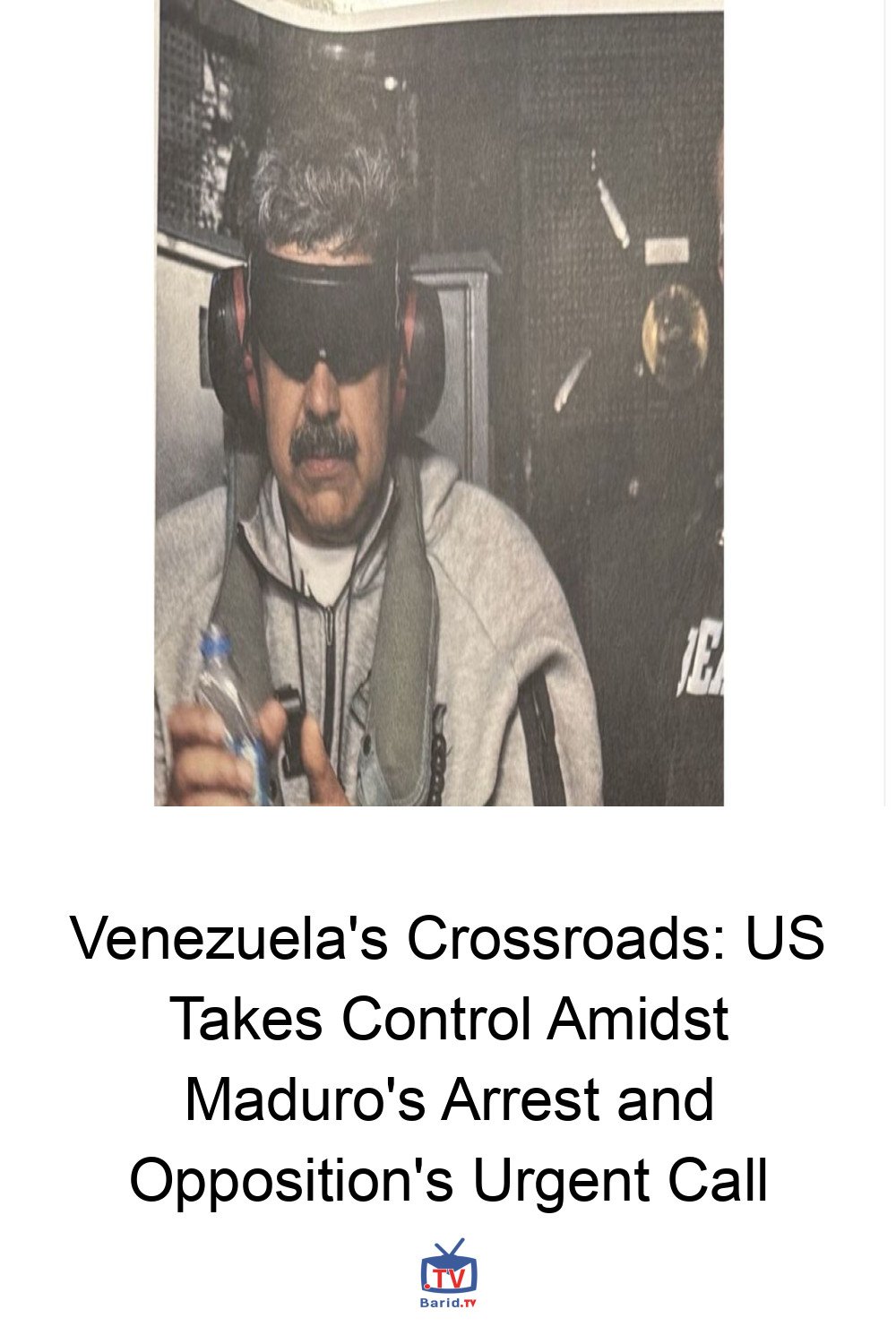
A Nation Intercepted: Maduro’s Fall and the US Mandate
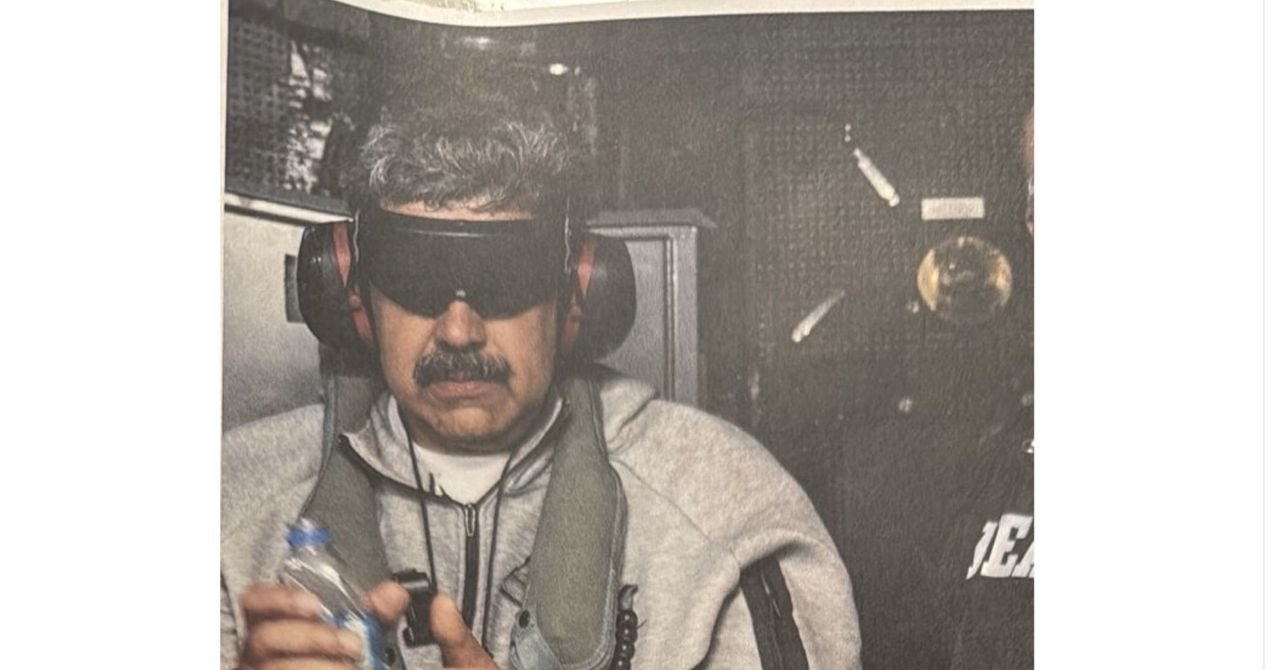
In a dramatic turn of events that has sent shockwaves across Latin America, Venezuelan President Nicolás Maduro has been arrested following a swift offensive by US forces. Speaking from his Mar-a-Lago compound, former President Donald Trump declared that Venezuela would remain under US control, signaling a profound shift in the nation’s political landscape.
The operation, which culminated in Maduro’s capture early Saturday morning after targeted strikes on military installations, was framed by Trump as a necessary intervention. He emphasized his administration’s resolve to prevent any leader “that does not have the good of the Venezuelan people in mind” from governing the country. “We have had decades of that. We are not going to let that happen,” Trump asserted, adding, “We are going to run the country until such time as we can do a safe, proper, and judicious transition.” High-ranking US officials, including Secretary of State Marco Rubio and Secretary of Defense Pete Hegseth, are slated to lead this interim administration.
The Opposition’s Defiant Stance: A Call to Power
However, a starkly different vision for Venezuela’s immediate future emerged from within the country. María Corina Machado, a prominent opposition figure, Nobel Peace Prize laureate, and long-standing critic of both Maduro and Hugo Chávez, issued a powerful statement. Machado insisted that opposition leader Edmundo González Urrutia, whom she identified as the legitimate president elected on July 28, 2024, must immediately assume the presidency.
“This is the time of the citizens. Of those of us who risked everything for democracy… Of those of us who elected Edmundo González Urrutia as the legitimate president of Venezuela, who must immediately assume his constitutional mandate and be recognized as Commander in Chief of the National Armed Forces,” Machado declared. Her statement, republished by González Urrutia himself, included a direct appeal to the Venezuelan populace: “Venezuelans, these are decisive hours. Know that we are ready for the great operation of reconstruction of our nation.”
Reclaiming Oil: Trump’s Economic Vision for Venezuela
Amidst the political turmoil, Trump outlined ambitious plans for Venezuela’s economic future, particularly its vast oil sector. He indicated that his administration intends to rebuild the nation’s oil infrastructure and recover what he termed oil “stolen” from the United States decades ago. “Venezuela unilaterally seized and sold American oil, American assets, and American platforms, costing us billions and billions of dollars,” Trump claimed.
His strategy involves deploying major US oil companies to “spend billions of dollars, fix the badly broken infrastructure… and start making money for the country.” This move directly references the 2007 expropriation process under Hugo Chávez, which saw numerous foreign energy companies nationalized. Despite possessing the world’s largest crude oil reserves—estimated at over 300 billion barrels—Venezuela’s oil industry has suffered significantly, with current production at approximately 1 million barrels per day, a steep decline from the nearly 3.5 million barrels produced in the late 1990s. The technical complexities and high costs associated with extracting its heavy and extra-heavy crude have further compounded these challenges.
Operation Absolute Resolve and the ‘Donroe Doctrine’
The military operation leading to Maduro’s capture, dubbed “Operation Absolute Resolve,” was detailed by Dan Caine, Chairman of the Joint Chiefs of Staff. He described a “discreet, precise” undertaking involving over 150 aircraft from 20 bases, executed during the early hours of January 2, and the culmination of months of meticulous planning. Trump, while acknowledging the success of the initial strike, affirmed the US military’s readiness for a more extensive second wave if deemed necessary.
Furthermore, Trump announced that Maduro and his wife would face trial in the United States, alleging that the former Venezuelan president was “the kingpin of a criminal network responsible for trafficking colossal amounts of deadly illicit drugs into the United States.” He framed Maduro’s actions as a “gross violation of the principles of American foreign policy, dating back more than two centuries… all the way back to the Monroe Doctrine.” Intriguingly, Trump introduced a new term for this updated foreign policy stance: “They now call it the Donroe Doctrine, I don’t know.”

Regional Ripples: Latin America on Edge
The dramatic intervention in Venezuela is poised to ignite significant debate and potential instability across Latin America. Such a direct assertion of US power in the region raises critical questions about national sovereignty, international law, and the future of regional alliances. The implications for neighboring countries, trade relations, and the delicate balance of power are likely to be profound, as nations grapple with the precedent set by this decisive US action.
For more details, visit our website.
Source: Link