
A Bold New Chapter for Venezuela, Under American Stewardship
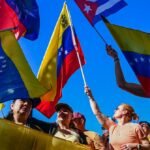
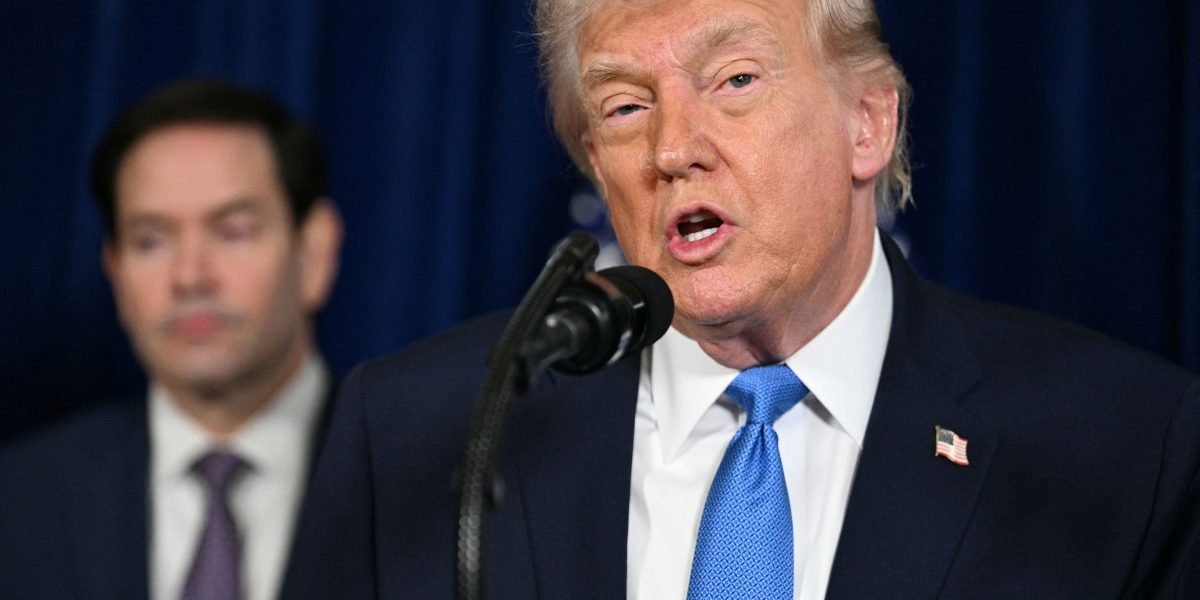
In a dramatic turn of events following the capture and arrest of Venezuelan dictator Nicolas Maduro by American forces, former President Donald Trump has pledged the United States to an ambitious mission: the complete revitalization of Venezuela’s crippled oil industry. This commitment, articulated during a recent press briefing, signals a profound shift in U.S. foreign policy, with Trump declaring, “we’re going to run” Venezuela to facilitate a transition to new leadership.
Trump left no room for ambiguity regarding the U.S. presence, confirming that troops would remain. He further indicated that Maduro’s Vice President, Delcy Rodriguez, has shown willingness to align with American objectives, stating she is “essentially willing to do what we think is necessary to make Venezuela great again” and will operate under U.S. directives. “We’re going to have this done right,” Trump vowed, emphasizing a long-term commitment. “We’re not going to just do this with Maduro then leave like everybody else—leave and say, you know, let it go to hell. If we just left, it has zero chance of ever coming back. We’ll run it properly. We’ll run it professionally.”
Rebuilding a Petro-State: Billions and Years Ahead
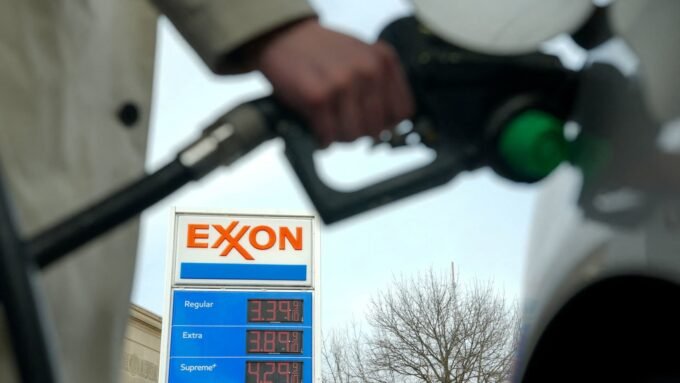
Venezuela, a nation blessed with the world’s largest proven oil reserves, has seen its economy collapse and oil production plummet under the weight of American sanctions and the mismanagement of the socialist regime. Trump’s vision includes leveraging this vast oil wealth to finance the reconstruction mission and compensate American companies whose assets were previously nationalized. “We’re going to rebuild the oil infrastructure, which will cost billions of dollars,” he stated. “It’ll be paid for by the oil companies directly, and they will be reimbursed for what they’re doing. But it’s going to be paid, and we’re going to get the oil flowing.”
analysts, however, caution that this endeavor is far from a quick fix. Estimates suggest it could take several years, potentially even a decade, to fully restore Venezuela’s oil sector and significantly boost its export capabilities. Trump himself acknowledged the daunting nature of the task, describing the existing infrastructure as “rotted” and extraction processes as perilous. “We’re going to be replacing it, and we’re going to take a lot of money out so that we can take care of the country,” he explained, promising substantial returns for U.S. oil companies while asserting that the Venezuelan people would ultimately be the primary beneficiaries of Maduro’s removal.
‘America First’ or Foreign Intervention? A Growing Contradiction
This bold intervention, however, stands in stark contrast to Trump’s foundational “America First” campaign pledge, which promised to steer the U.S. clear of foreign entanglements. While his administration has sought to mediate conflicts like Russia’s war on Ukraine, previous military actions, such as the U.S. involvement in Israel’s conflict with Iran last summer, drew significant backlash from his MAGA base.
Domestically, Trump faces mounting pressure over the persistent affordability crisis. Recent off-year elections saw Republican setbacks, with voters expressing dissatisfaction over the cost of living. In response, the administration has rolled back tariffs on certain grocery staples, floated ideas like tariff “dividend” checks, and proposed 50-year mortgages to address housing costs. Even tariff hikes on furniture were delayed, and levies on Italian pastas reduced, underscoring the administration’s focus on domestic economic relief.
Justifications and Fierce Criticism
Defense Secretary Pete Hegseth defended the Venezuelan operation, echoing the administration’s mantra: “This is America first.” When pressed on how running a South American nation aligns with this principle, Trump elaborated, “It is because we want to surround ourselves with good neighbors. We want to surround ourselves with stability, and we want to surround ourselves with energy. We have tremendous energy in that country. It’s very important that we protect it. We need that for ourselves. We need that for the world, and we want to make sure we can protect it.”
Yet, critics were swift to highlight the perceived hypocrisy. GOP Rep. Marjorie Taylor Greene, a former staunch Trump ally, voiced her disillusionment on X, lamenting that Americans grapple with escalating costs for living, housing, and healthcare, while tax dollars are funneled to “foreigners both home and abroad.” Days before her congressional exit, Greene asserted that Americans are weary of foreign wars, a sentiment she believes was betrayed by the continued funding of the “Washington military machine” by establishment Republicans and Democrats. “This is what many in MAGA thought they voted to end,” she wrote. “Boy were we wrong.”
Senate Minority Leader Chuck Schumer also lambasted Trump, accusing him of launching an unauthorized attack on Venezuela without a credible post-Maduro plan. Schumer suggested the move was a deliberate distraction: “To distract from skyrocketing costs Americans face and the historic cover up of the Epstein files, Donald Trump is attempting to the throw Americans into more international chaos and uncertainty,” he stated.
As the U.S. embarks on this complex and costly venture, the tension between a declared “America First” policy and the realities of global intervention continues to define Trump’s political landscape, leaving many to question the true beneficiaries of this ambitious new chapter in U.S.-Venezuelan relations.
For more details, visit our website.
Source: Link