
Trump’s Venezuela Intervention Ignites Constitutional Firestorm in Congress
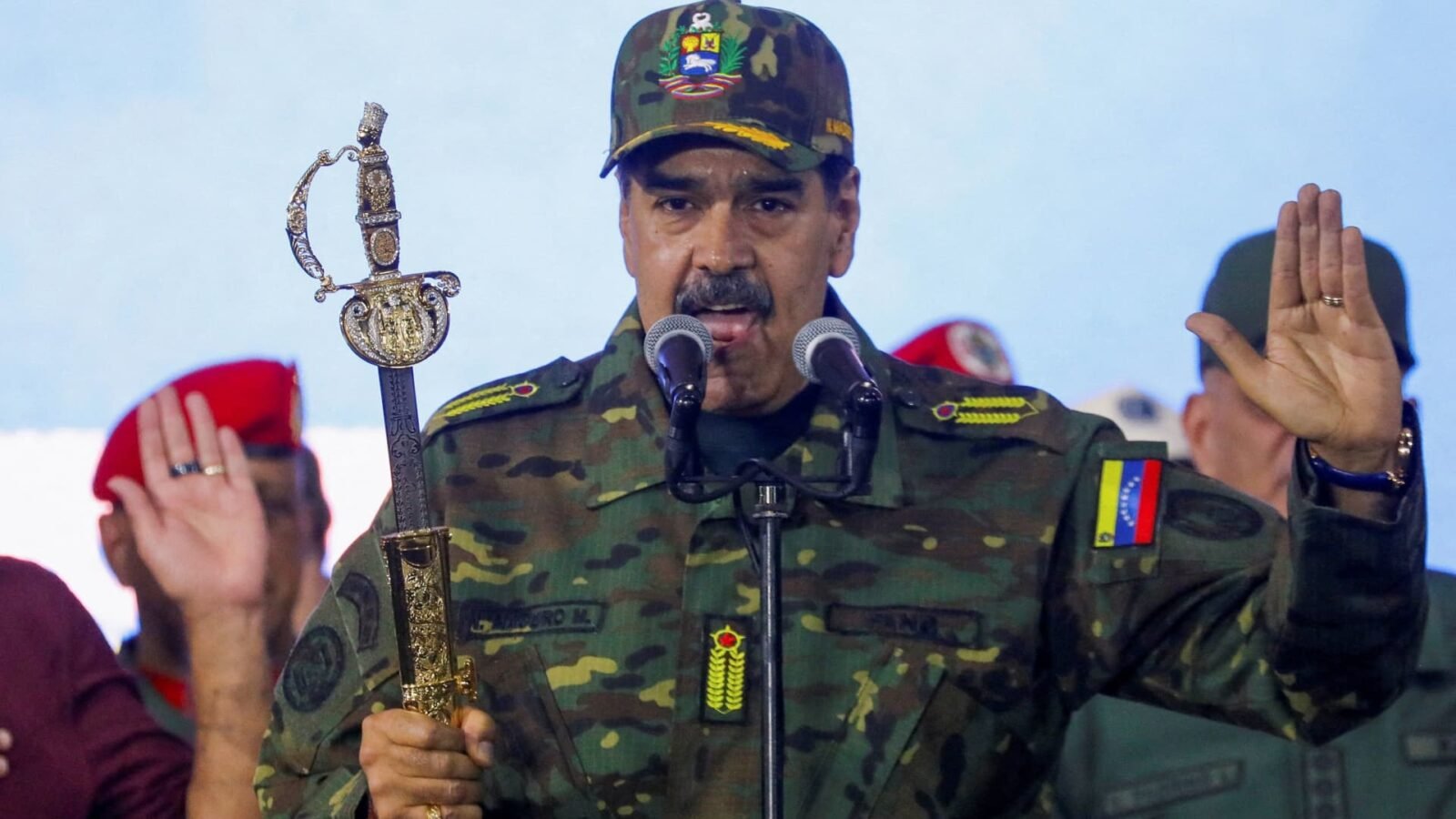
In a dramatic turn of events that sent shockwaves through Washington and beyond, President Donald Trump announced the successful removal of Venezuelan President Nicolas Maduro, triggering an immediate and fierce debate within the halls of Congress. While Republicans largely lauded the decisive military operation, Democrats swiftly condemned the action, questioning its legality and the President’s apparent sidestepping of constitutional protocols.
A Swift Strike and a Divided Capital
The news broke on a Saturday, with President Trump taking to Truth Social to declare that the U.S. had facilitated a “large scale strike” against Venezuela, culminating in the capture of its leader, Nicolas Maduro, and his wife, Cilia Flores. The pair are reportedly en route to the United States, marking a significant escalation in U.S. policy towards the beleaguered South American nation, which had faced months of intense pressure from the Trump administration.
The reaction on Capitol Hill was a stark reflection of the nation’s political divide. Republican lawmakers quickly rallied behind the President, celebrating what they viewed as a necessary and effective intervention. However, the cheers were met with immediate and vocal opposition from Democrats, who raised serious concerns about the constitutional basis for such an action. Notably, congressional lawmakers from both sides indicated they had not been briefed prior to the land attack, a point that fueled Democratic outrage.
The War Powers Debate: Executive Authority vs. Congressional Mandate
At the heart of the Democratic challenge lies the fundamental question of presidential war powers. The U.S. Constitution explicitly grants Congress the primary authority to declare war, a power further refined by the War Powers Resolution of 1973. This resolution, enacted in the wake of the Vietnam War, aims to limit the President’s ability to commit U.S. armed forces to hostilities without congressional approval.
Senator Andy Kim (D-N.J.) articulated this concern forcefully in a post to X, stating, “Trump rejected our Constitutionally required approval process for armed conflict because the Administration knows the American people overwhelmingly reject risks pulling our nation into another war.” This sentiment was echoed by many Democrats, who argued that the President’s unilateral action undermined the delicate balance of powers essential to American democracy.
When pressed on the lack of congressional consultation, President Trump offered a blunt explanation during a Saturday press conference: “Congress will leak, and we don’t want leakers.” This statement, while characteristic of the President’s direct communication style, further inflamed critics who viewed it as a dangerous precedent, suggesting that national security concerns could unilaterally override constitutional checks and balances.
Looking Ahead: Implications for U.S. Foreign Policy
The removal of Nicolas Maduro marks a pivotal moment in U.S.-Venezuelan relations and raises profound questions about the future of American foreign policy. Beyond the immediate political fallout, the incident sets a precedent for executive action in international conflicts and will undoubtedly reignite debates about the scope of presidential authority in an increasingly complex global landscape. As the dust settles, the legal and political ramifications of this bold move are likely to be scrutinized for years to come, shaping discussions on war powers, international law, and the role of the United States on the world stage.
For more details, visit our website.
Source: Link