
U.S. Navigates Post-Maduro Venezuela: Leverage, Not Occupation
Following the dramatic capture of Venezuelan President Nicolas Maduro, the United States finds itself at a pivotal juncture regarding its policy in the South American nation. While President Donald Trump initially declared the U.S. would ‘run’ Venezuela, Secretary of State Marco Rubio has offered a more nuanced and strategic explanation, emphasizing economic leverage and policy influence over direct governance.
Shifting Narratives: From ‘Running’ to ‘Leveraging’
The immediate aftermath of Maduro’s capture saw President Trump assert that the U.S. would ‘run the country until such time as we can do a safe, proper and judicious transition.’ This bold statement quickly drew criticism from both political adversaries and some allies, who cautioned against a costly and potentially disastrous nation-building exercise. Senate Democratic Leader Chuck Schumer, D-N.Y., warned, ‘We have learned through the years when America tries to do regime change and nation building in this way, the American people pay the price in both blood and dollars.’
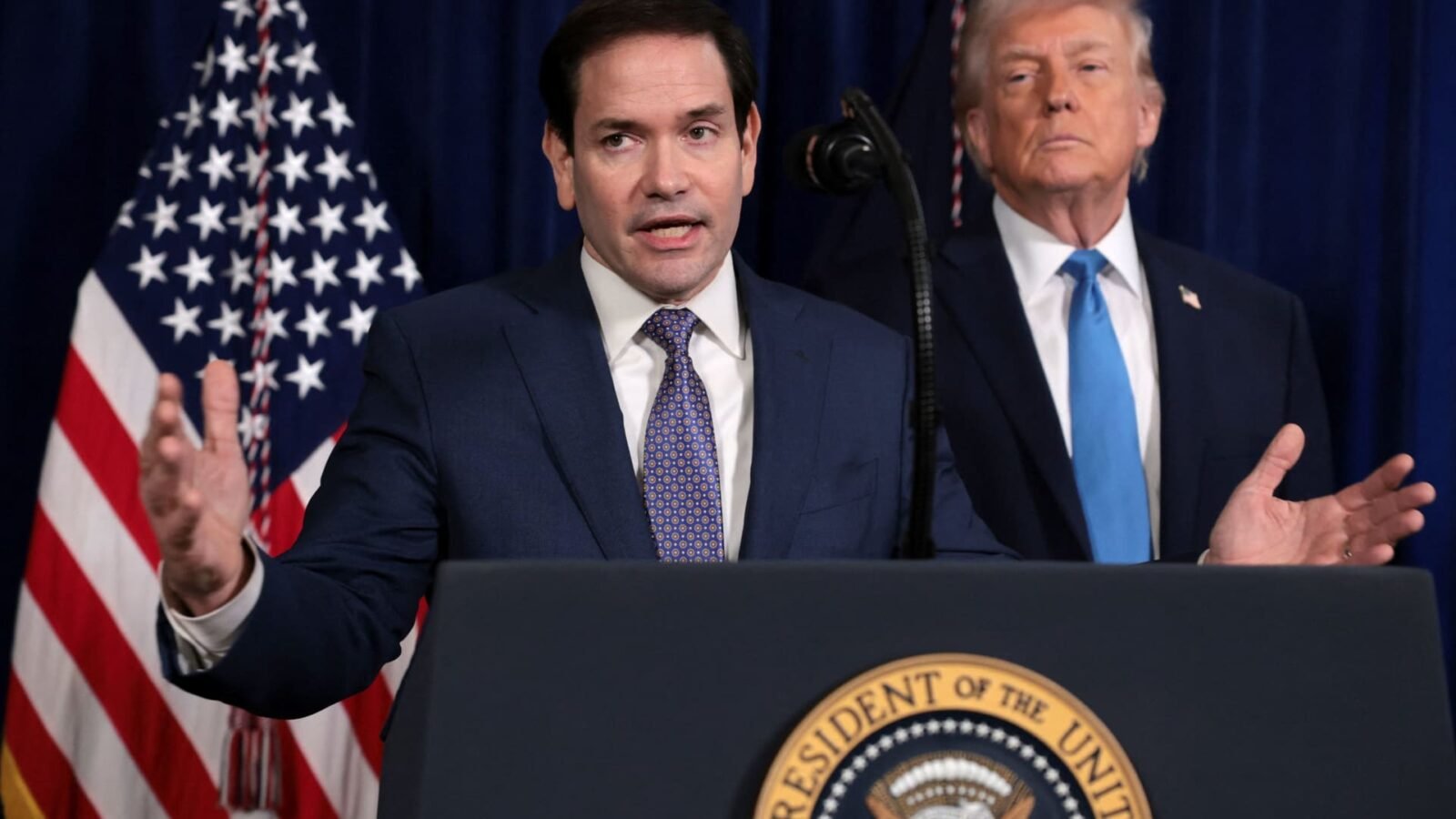
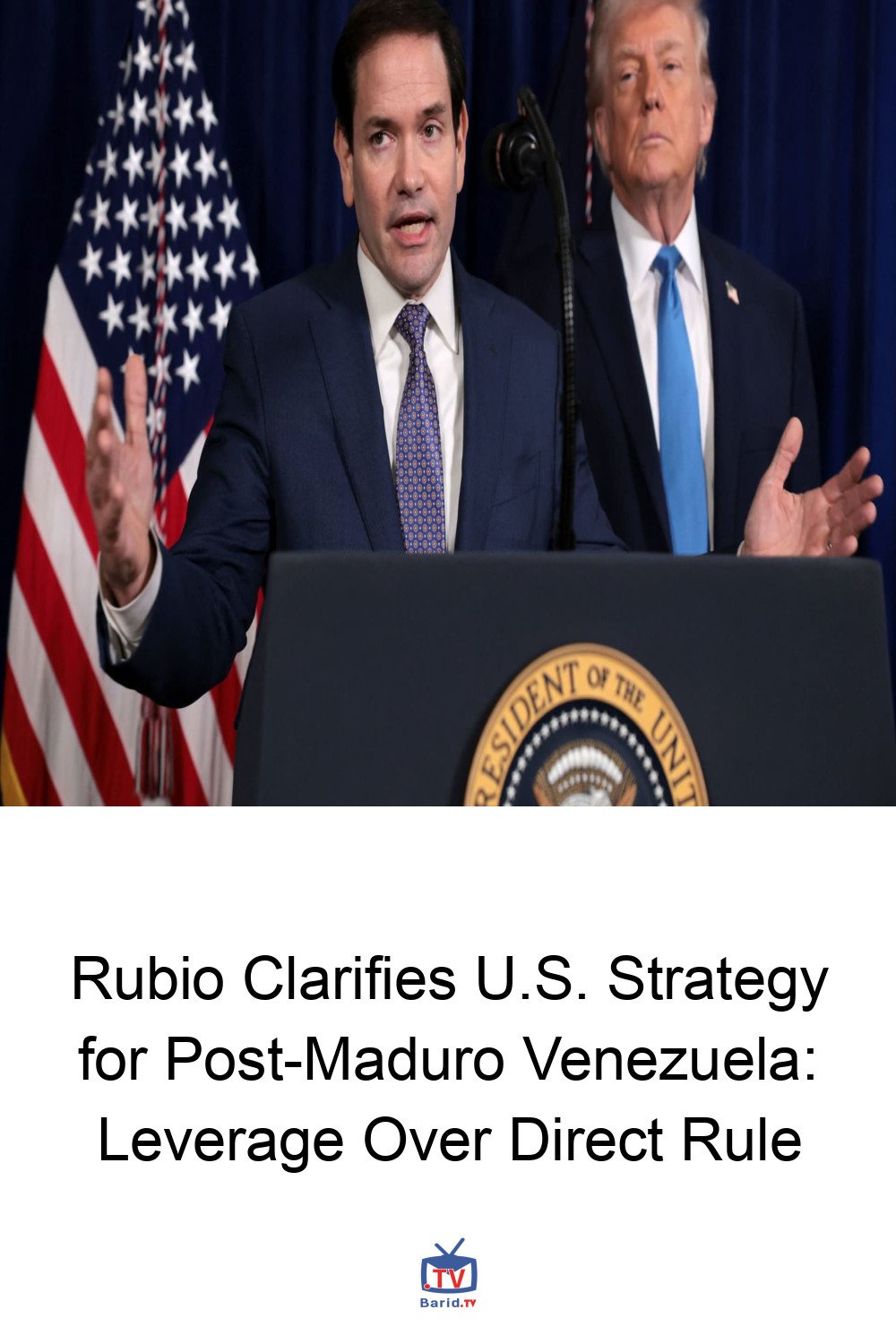
However, Secretary Rubio, speaking on Sunday, appeared to clarify the administration’s actual approach. He explained that the U.S. would utilize the significant leverage gained from its ongoing oil blockade and a regional military buildup to achieve its policy aims, rather than directly govern the country. ‘What’s going to happen here is we have a quarantine on their oil, that means their economy will not be able to move forward until the conditions that are in the national interest of the United States and the interests of the Venezuelan people are met,’ Rubio stated on ABC’s ‘This Week.’ He reiterated, ‘That leverage remains, that leverage is ongoing and we expect that it’s going to lead to results here.’
Economic Pressure and Military ‘Optionality’
The U.S. strategy hinges heavily on economic pressure. In recent months, Washington has intensified its efforts, seizing tankers associated with Venezuela and deploying military ships and warplanes to the Caribbean. This ‘oil quarantine’ is designed to cripple Venezuela’s economy, forcing a change in governance that aligns with U.S. interests.
While direct rule is off the table, the possibility of further military action remains. When pressed on ‘Meet the Press’ about additional military options, Rubio affirmed that President Trump ‘retains all his optionality,’ suggesting that military force remains a tool in the administration’s arsenal, even if not the primary one for ‘running’ the country.
Venezuela’s Oil: A Strategic Reorientation
Venezuela boasts the world’s largest proven oil reserves, making its energy sector a critical component of any post-Maduro future. President Trump had previously expressed a desire for ‘very large United States oil companies’ to ‘go in, spend billions of dollars, fix the badly broken infrastructure.’
Rubio, however, offered a more nuanced perspective on the U.S.’s oil-related objectives. He clarified that the immediate goal is ‘not about securing the oil fields’ but ‘about ensuring that no sanctioned oil can come in and out until they make changes to the governance of that entire industry.’ The long-term vision involves attracting private Western companies, rather than those from sanctioned nations, to invest and rebuild Venezuela’s oil infrastructure for the benefit of its people. While Rubio hasn’t engaged with specific companies yet, he anticipates ‘dramatic interest from Western companies,’ with Interior Secretary Doug Burgum and Energy Secretary Chris Wright slated to assess and engage with potential investors.
The Path Forward
With Nicolas Maduro and his wife, Cilia Flores, now in New York facing drug trafficking charges, and Venezuelan Vice President Delcy Rodríguez sworn in as president, the political landscape remains fluid. The U.S. strategy, as articulated by Secretary Rubio, suggests a calculated approach of sustained pressure and strategic influence, aiming to guide Venezuela towards a desired political and economic trajectory without direct occupation. The coming months will reveal whether this leverage-based strategy can achieve the U.S.’s complex policy aims in a nation grappling with profound political and economic upheaval.
For more details, visit our website.
Source: Link