
Caribbean Skies Reopen: Airlines Scramble After Venezuela Strikes Strand Thousands
The Caribbean’s bustling post-holiday air travel scene descended into chaos over the weekend, as U.S. airspace restrictions, triggered by American military action in Venezuela, forced hundreds of flight cancellations and left tens of thousands of travelers stranded. As the Federal Aviation Administration (FAA) lifted these critical restrictions overnight, airlines are now in a frantic race against time to clear the backlog, though the ripple effects are expected to last for days.
Unforeseen Fallout: Geopolitics Grounds Civilian Flights
The sudden imposition of flight curbs followed U.S. strikes in Venezuela, a move that led to the capture of Venezuelan President Nicolas Maduro. While the geopolitical implications of such actions are vast, the immediate and tangible impact was felt acutely across the Eastern Caribbean. The FAA’s decision to close regional airspace to U.S. commercial flights underscored a stark reality: military operations, even far from direct conflict zones, can swiftly and dramatically disrupt global civilian aviation.
A Holiday Rush Turned Nightmare for Travelers
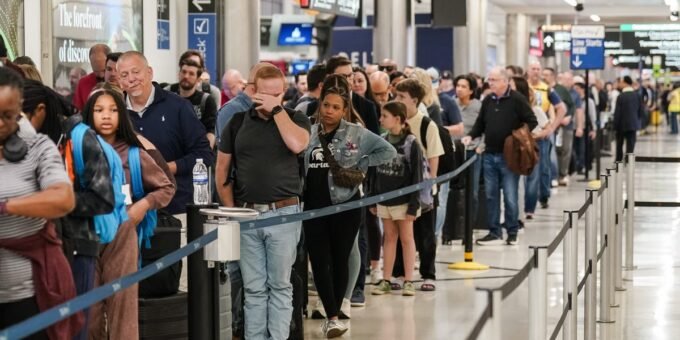
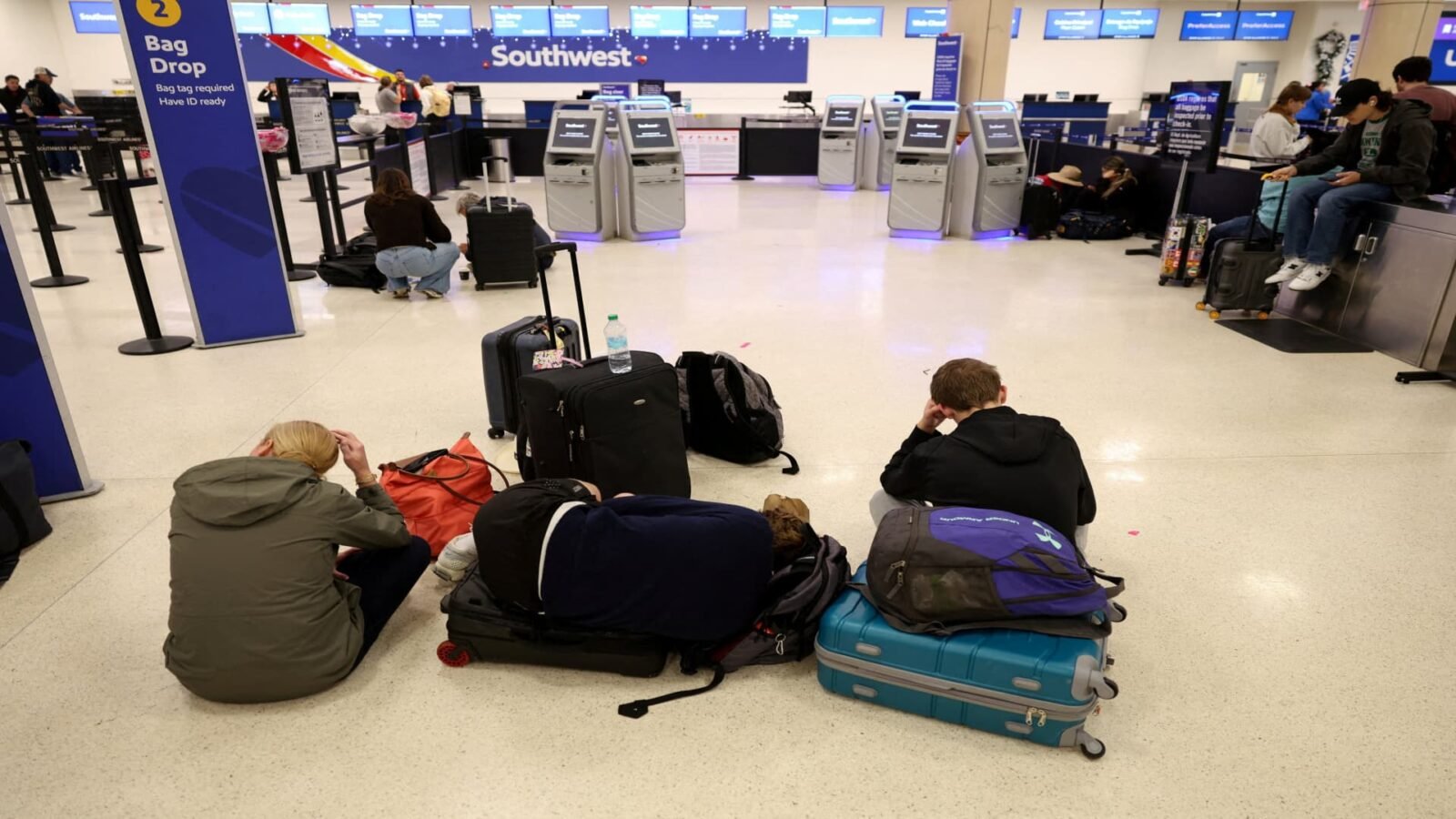
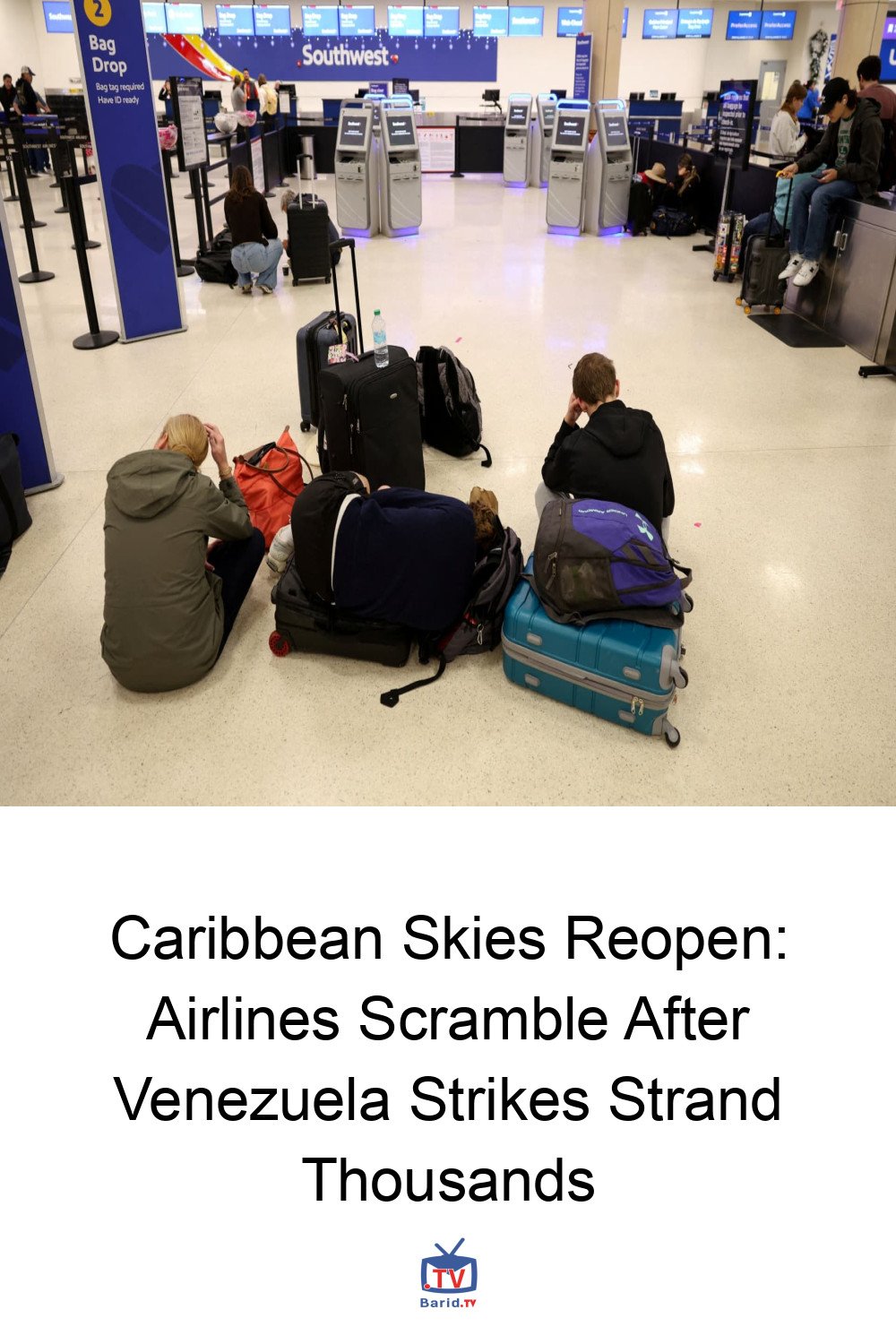
For many, the end of the New Year holiday weekend and school vacations typically means a smooth return home. Instead, passengers found themselves marooned in airports like Luis Muñoz Marín International in San Juan, Puerto Rico, sleeping on floors and facing uncertain futures. With hundreds of flights canceled on Saturday alone, the post-holiday rush transformed into a logistical nightmare. Social media platforms like X were flooded with complaints from frustrated travelers unable to find available seats back to the U.S. until the end of the week, many facing unexpected accommodation costs they could ill-afford.
Airlines Mobilize: A Race Against Capacity
In response to the unprecedented demand surge, major U.S. carriers have launched an intensive recovery effort. American Airlines swiftly added 17 extra flights connecting San Juan, Aruba, the U.S. and British Virgin Islands, Antigua, Barbados, and Dominica with its hubs in Miami and Charlotte. Southwest Airlines followed suit, scheduling six additional round-trips to San Juan on Sunday and eight more on Monday, alongside two extra flights to Aruba. United Airlines and Delta Air Lines also announced plans for additional services.
The scramble for capacity has even led airlines to consider deploying larger aircraft, typically reserved for long-haul international routes to Europe or Asia. American Airlines, for instance, confirmed it would utilize two Boeing 777-300s—its largest aircraft, seating 304 passengers—for two San Juan-Miami roundtrips on Monday. This mirrors the kind of operational adjustments usually seen during hurricane evacuations, but with significantly less preparation time.
Waivers Offer Some Relief, But Seats Remain Scarce
Recognizing the extraordinary circumstances, airlines have waived change fees and fare differences for affected customers rebooking flights later in the month, covering more than a dozen airports in the region. However, despite these efforts and the addition of extra flights, seats remain critically scarce. Many newly added flights were quickly listed as unavailable online, highlighting the immense challenge of accommodating tens of thousands of displaced passengers during an already peak travel period.
A Recurring Theme: Geopolitics and Air Travel
This incident serves as a potent reminder of how quickly geopolitical events can ripple through the global air travel network. Similar disruptions have been observed in the Middle East and following Russia’s invasion of Ukraine in 2022, forcing airlines to reroute or suspend operations far beyond immediate conflict zones. While major U.S. airlines have not served Venezuela directly for years—American Airlines being the last to halt flights in 2019 amid unrest—the recent events demonstrate that even indirect impacts can be profound.
As the Caribbean skies slowly return to normalcy, the episode leaves a lasting impression on both the aviation industry and the countless travelers caught in the crossfire of international relations.
For more details, visit our website.
Source: Link