
Azilal Confronts Winter’s Silent Threat: 48 Carbon Monoxide Poisonings Reported
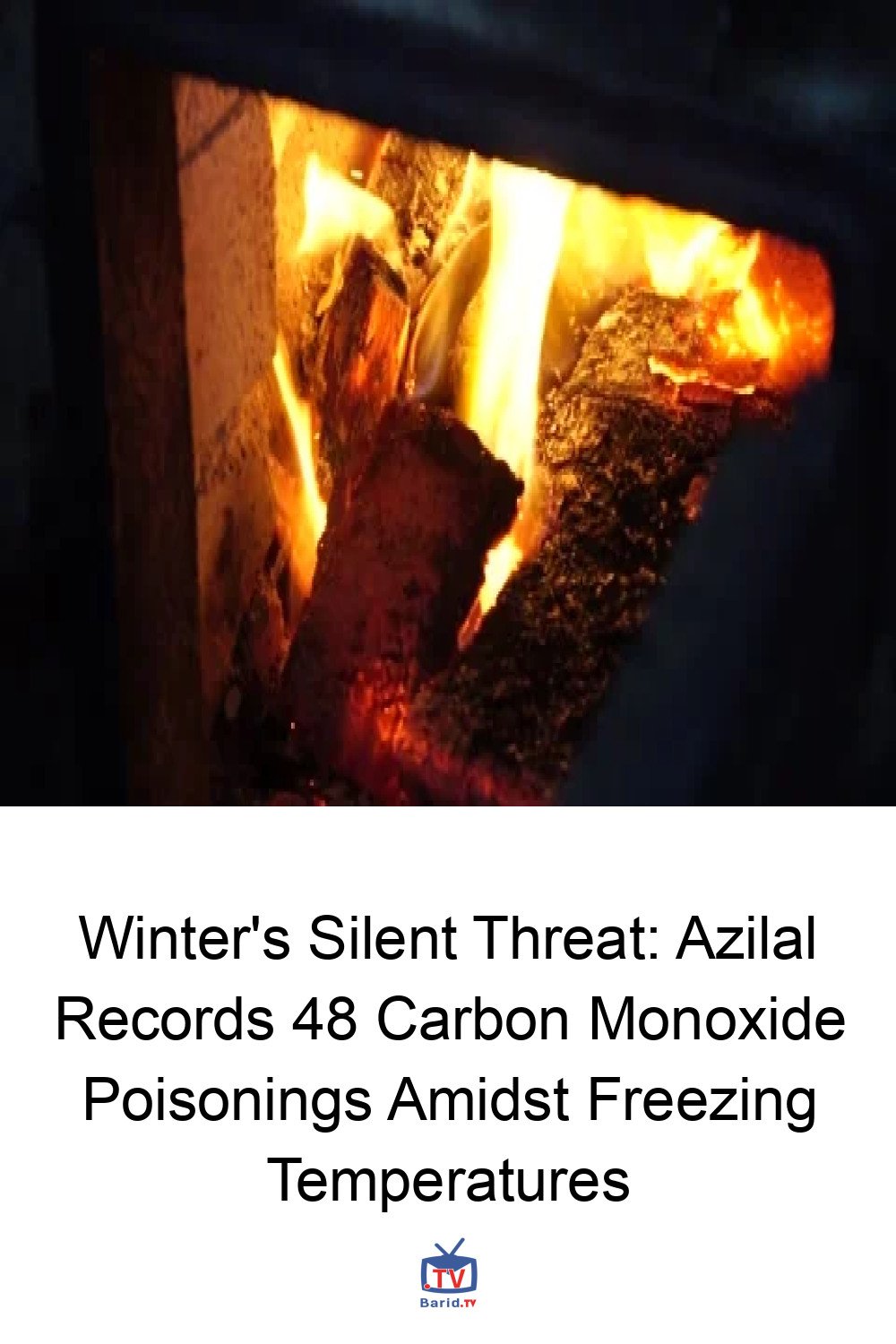
As winter’s icy grip tightened around Morocco’s Azilal province in December 2025, a more insidious danger emerged: carbon monoxide poisoning. Health authorities in the Beni Mellal-Khénifra region have reported a concerning 48 cases of CO poisoning, directly attributed to residents’ reliance on traditional heating methods to combat plummeting temperatures.
The Alarming Toll in Azilal
The regional director of health and social protection, Kamal El Yensli, confirmed to SNRT News that all 48 incidents occurred within Azilal, a region particularly susceptible to severe cold. With temperatures dropping as low as -3 degrees Celsius in some areas, local communities often turn to age-old heating solutions, inadvertently increasing their vulnerability to the ‘silent killer’.
Encouragingly, the majority of these cases were classified as moderate, not necessitating hospitalization or intensive care. Crucially, no fatalities were reported among the affected individuals, a testament to timely intervention and perhaps the ongoing efforts of public health campaigns.
Understanding Carbon Monoxide: An Invisible Menace
Carbon monoxide (CO) is a colorless, odorless, and tasteless gas, making it incredibly dangerous as its presence often goes undetected until it’s too late. It is a byproduct of incomplete combustion, commonly released by heating equipment that burns organic materials such as butane gas, coal, wood, and gasoline – precisely the methods prevalent in Azilal’s colder climes.
The danger lies in CO’s ability to bind with hemoglobin in red blood cells far more readily than oxygen, effectively suffocating the body from within. This internal deprivation of oxygen can rapidly impair vital organs like the brain, heart, lungs, and kidneys, potentially leading to death within minutes if immediate medical attention is not provided. The insidious nature of CO means poisoning is often diagnosed only at advanced, critical stages, underscoring the need for heightened awareness and preventative measures.
Proactive Measures and Public Vigilance
Recognizing the annual spike in such incidents during winter, the regional health department had already launched an awareness campaign. This initiative focused on educating residents about the proper and safe use of water heaters and other domestic heating devices, aiming to mitigate the risks associated with traditional practices.
The Azilal incidents serve as a stark reminder of the critical importance of these awareness efforts. As temperatures continue to fluctuate, residents are urged to exercise extreme caution when using heating equipment. Ensuring adequate ventilation, regular maintenance of devices, and considering carbon monoxide detectors are vital steps to protect against this pervasive and often fatal winter hazard.
For more details, visit our website.
Source: Link