
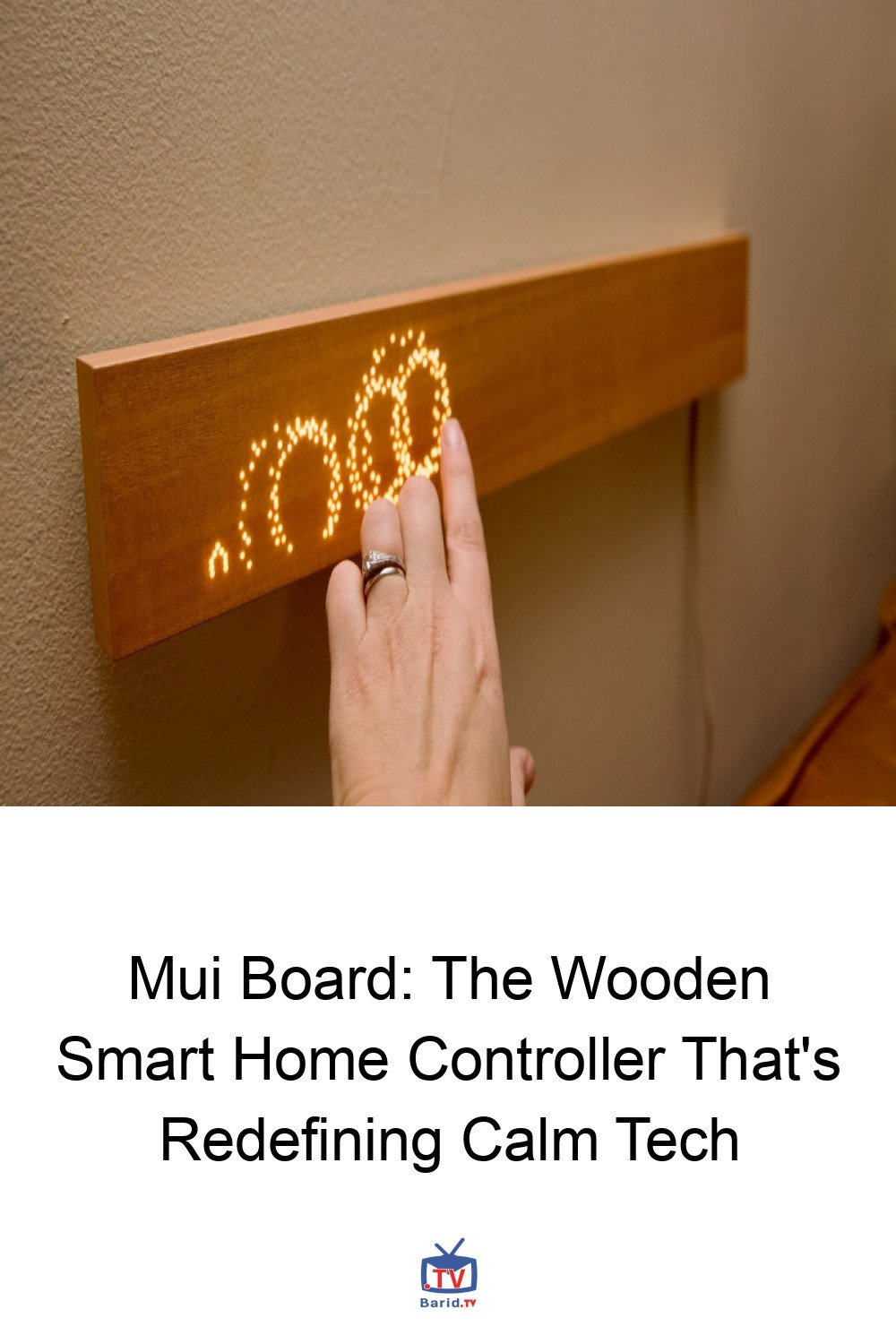
The Mui Board: A Wooden Revolution in Calm Smart Home Control
In an era dominated by glowing screens and persistent digital notifications, a truly unique gadget is finally making its way from concept to living room, promising a different kind of interaction with our smart homes. Meet the Mui Board: a smart home controller quite literally built into a piece of wood.
First unveiled as a captivating concept at CES 2019, and subsequently refined through several iterations over the years, the Mui Board has long been a subject of intrigue for tech journalists. Now, in limited quantities, this long-gestating “calm-tech” device is finally shipping, offering a thoughtful — albeit very expensive — alternative to the omnipresent smart display.
Beyond the Screen: Embracing Calm Technology
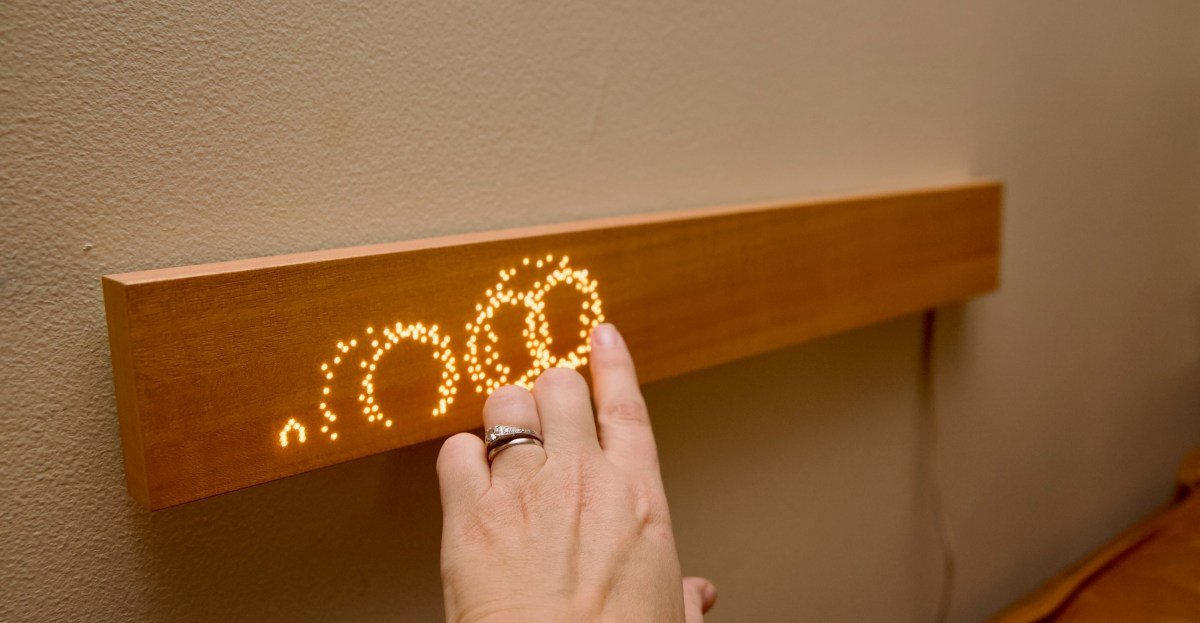
At its core, the Mui Board is an anti-smart display. When inactive, it presents itself as an elegant, unassuming piece of wood mounted on your wall. But a simple touch awakens its capacitive surface, revealing glowing dot-matrix icons that seamlessly integrate into your home’s aesthetic. Powered by a Raspberry Pi and featuring Matter support, this minimalist interface allows you to control music, adjust lighting, set timers, view messages, and access other essential information without the glare and distraction of a traditional screen.
The philosophy behind Mui is deeply rooted in the Japanese concept of harmony with nature, a principle reflected in its certification by the Calm Tech Institute. The vision is clear: technology should blend effortlessly into your environment, becoming an accessible, integrated presence rather than a jarring or attention-demanding one. For those weary of a home saturated with screens and smart displays, the Mui Board offers a compelling and refreshing alternative.
A Hands-On Glimpse: Design, Functionality, and Price
Having spent time with the second-generation Mui Board, its thoughtful design and ambitious scope are immediately apparent. Available in natural maple or dark cherry, the device is more than just aesthetically pleasing; it’s remarkably responsive and intuitive. A gentle tap reveals your personalized “home screen,” displaying weather, Sonos speaker controls, Hue lighting adjustments, timers, and even the latest headlines from The Verge via a clever RSS feed.
The minimalist icons belie a surprising depth of control. Users can dim and toggle lights, adjust thermostat settings (temperature, mode, fan speed), operate curtains and locks, and manage smart plugs. Crucially, this is all achieved without the intrusion of ads, chatty voice assistants, or bright, distracting visuals that often characterize other smart home interfaces.
Connectivity is robust, with Wi-Fi (2.4Ghz) and BLE, supporting Matter Controller, Echonet Lite, and Web API. It includes two small built-in speakers and a microphone for recording messages, powered by an AC adapter. Delightful touches, like a roaming cat icon that changes direction with a tap, add to its unique charm.
However, the Mui Board’s most significant hurdle remains its price. At $999 (currently on sale for $799), it positions itself closer to a beautifully realized concept piece than a mass-market product. While its undeniable delight and innovative approach will resonate with a niche audience — particularly those committed to a calm-tech lifestyle and willing to invest in premium design — it’s a significant expenditure for a smart home controller.
The Future of Interaction?
The Mui Board represents a bold step towards reimagining how we interact with technology within our most personal spaces. It challenges the prevailing notion that more screens equate to more convenience, instead advocating for a harmonious, integrated experience. While its price point ensures it won’t be for everyone, its existence is a testament to the potential for design-led innovation to create technology that truly enhances, rather than overwhelms, our daily lives.
For more details, visit our website.
Source: Link