
A Bipartisan Storm Gathers Against AI’s Data Center Boom
In a rare display of political alignment, two prominent national figures from opposite ends of the ideological spectrum – Democratic Socialist Senator Bernie Sanders of Vermont and staunch Republican Governor Ron DeSantis of Florida – have found common ground in their skepticism towards the artificial intelligence industry’s rapidly expanding data center footprint. This unexpected consensus signals a brewing political reckoning over AI’s significant demands on electricity grids, its impact on consumer utility bills, and potential implications for the labor market.
The Unlikely Alliance: Sanders and DeSantis Find Common Ground
While Senator Sanders, an independent who caucuses with Democrats, and Governor DeSantis typically agree on virtually nothing, their shared concerns about the unchecked growth of AI infrastructure have brought them together. Senator Sanders has gone as far as advocating for a national moratorium on data center construction. In a December interview, he stated, “Frankly, I think you’ve got to slow this process down. It’s not good enough for the oligarchs to tell us it’s coming — you adapt. What are they talking about? They’re going to guarantee healthcare to all people? What are they going to do when people have no jobs?” His remarks underscore a concern for societal welfare and the potential disruptive effects of rapid technological advancement.
Florida Governor Ron DeSantis, meanwhile, unveiled an “AI Bill of Rights” in early December, which notably includes provisions to protect local communities’ right to block data center construction. This proposal from a leading conservative figure could put him at odds with the White House, which has generally pushed for accelerated AI development. “We have a limited grid. You do not have enough grid capacity in the United States to do what they’re trying to do,” DeSantis warned at a public event, questioning whether communities like The Villages truly desire hyperscale data centers in their vicinity.
Mounting Concerns: Energy, Grid Stability, and Jobs
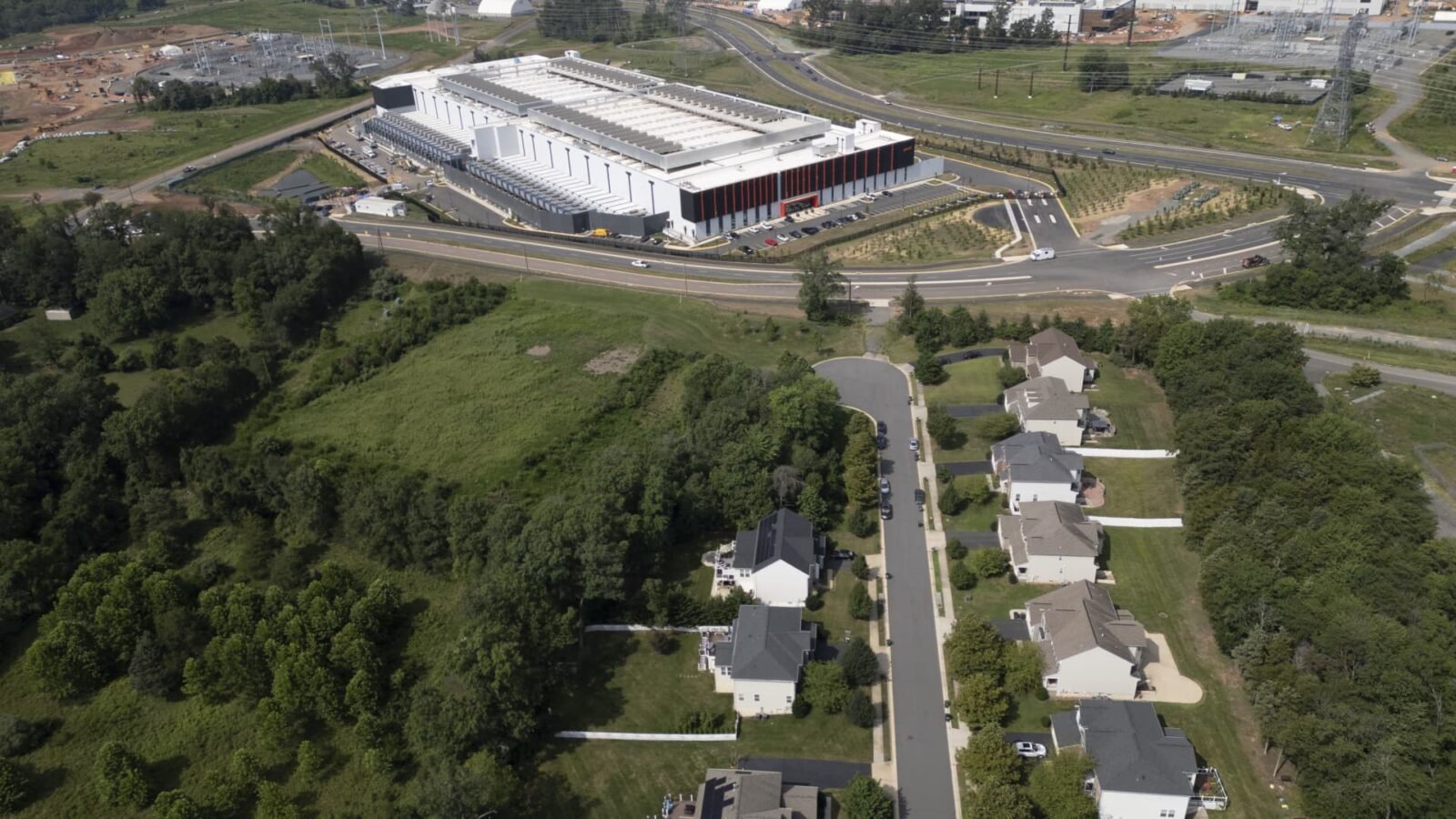
The core of this bipartisan opposition stems from tangible issues affecting everyday Americans. Rising electricity costs and the increasing strain on grid stability are stoking voter anger, particularly as residential electricity prices are projected to climb further in 2025 and 2026. While neither Florida nor Vermont are major data center hubs, the political potency of these issues was starkly demonstrated in Virginia, the world’s largest data center market, where rising utility bills played a significant role in a recent gubernatorial election.
The Strained Grid: A Crisis in the Making
Experts are sounding alarms about the capacity of the nation’s energy infrastructure to support the burgeoning demands of the AI industry. “We have gone from a period where data centers were sort of seen as an unmitigated good and as an engine of growth by a lot of elected officials and policymakers to people now recognizing that we’re short,” explained Abe Silverman, former general counsel for New Jersey’s public utility board. “We do not have enough generation to reliably serve existing customers and data centers.”
PJM Interconnection at a Tipping Point
The crisis is particularly acute within the PJM Interconnection, the nation’s largest grid, serving over 65 million people across 13 Mid-Atlantic and Midwest states, including crucial swing states like Pennsylvania and Virginia. PJM forecasts a six-gigawatt shortage of its reliability requirement by 2027 – an amount nearly equivalent to the electricity demand of Philadelphia. This deficit significantly increases the likelihood of blackouts, shifting the risk from once every decade to a more frequent occurrence.
Joe Bowring, president of Monitoring Analytics, PJM’s independent market monitor, described the situation as “crisis stage right now. PJM has never been this short.” The cost to secure power capacity in PJM has skyrocketed, with an estimated $23 billion directly attributable to data centers. These substantial costs are ultimately passed on to consumers, representing what the watchdog described as a “massive wealth transfer.”
Political Fallout: Elections and the Future of AI Infrastructure
The convergence of energy concerns, rising costs, and political opposition creates a formidable challenge for the AI industry’s ambitious growth plans. As the 2026 mid-term elections approach, the impact of data centers on local communities and household budgets is poised to become a central campaign issue.
Voter Anger and the 2026 Midterms
“I don’t think we’ve seen the end of the political repercussions,” noted Rob Gramlich, president of Grid Strategies, a power sector consulting firm. “And with a lot more elections in 2026 than 2025, we’ll see a lot of implications. Every politician is going to be saying that they have the answer to affordability and their opponents’ policies would raise rates.” This political dynamic suggests that the AI industry’s expansion could face significant headwinds if broad bipartisan consensus against it solidifies.
A Shifting Perception of Data Centers
The shift in perception from data centers as unmitigated engines of growth to potential burdens on local infrastructure and consumer wallets marks a critical turning point. While President Trump’s executive order aims to prevent “excessive state regulation” of AI, the growing bipartisan pushback from figures like Sanders and DeSantis indicates that the industry’s future development plans may hinge not just on technological innovation, but on its ability to address fundamental concerns about energy security, economic equity, and community impact.
For more details, visit our website.
Source: Link