



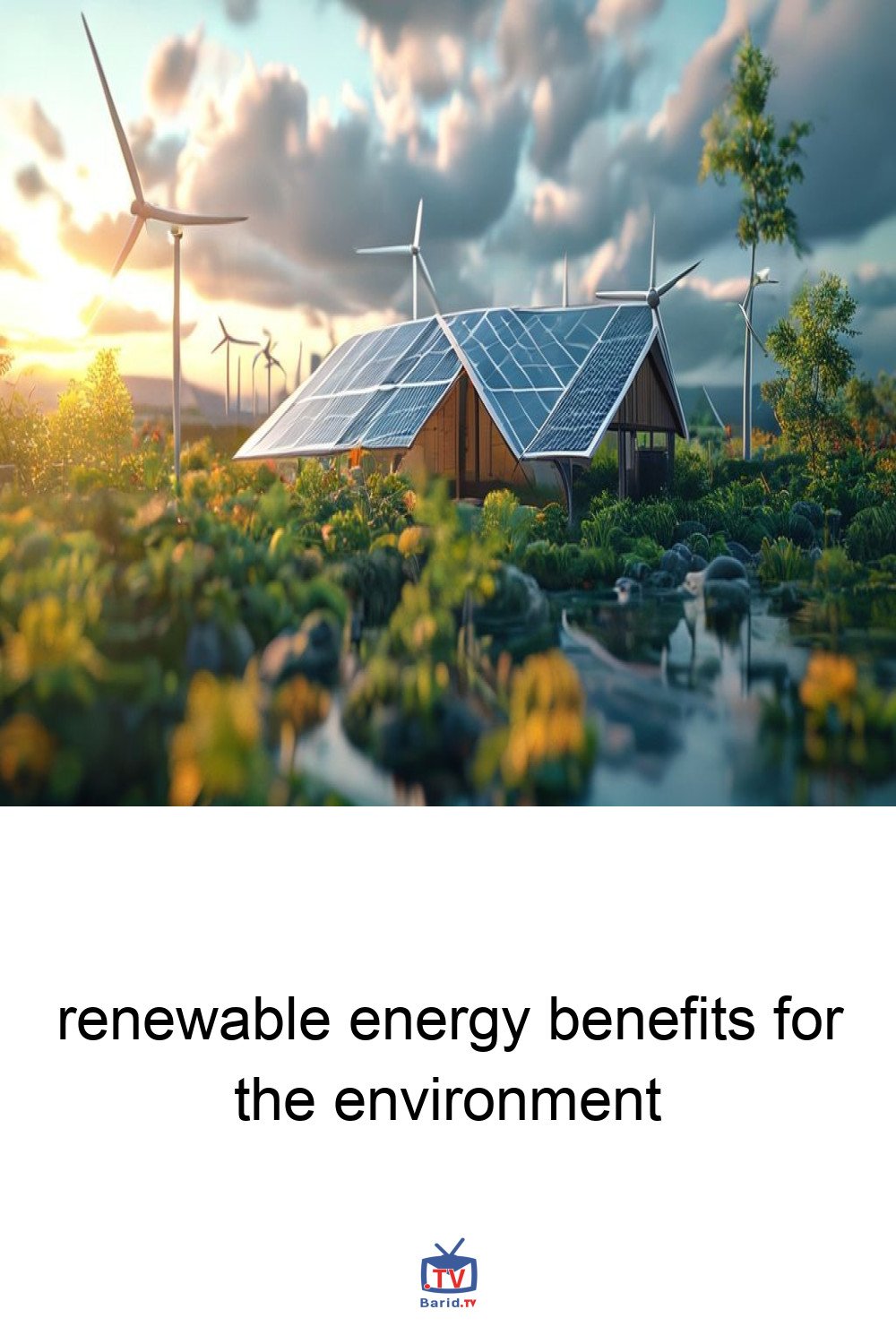
Renewable Energy: Harnessing the Power of Nature for a Sustainable Future
The Benefits of Renewable Energy for the Environment
energy has become an increasingly important topic in recent years, as the world grapples with the challenges of climate change and environmental degradation. At its core, renewable energy refers to energy that is generated from natural resources, such as sunlight, wind, and water, rather than from fossil fuels.
Benefits of Renewable Energy for the Environment
- Reduced Greenhouse Gas Emissions:**
Renewable energy sources emit significantly less greenhouse gases, such as carbon dioxide and methane, which contribute to climate change. By transitioning to renewable energy, we can reduce our reliance on fossil fuels and lower our carbon footprint.
- Improved Air Quality:**
Renewable energy sources produce no air pollutants, such as particulate matter, nitrogen oxides, and sulfur dioxide, which are associated with respiratory problems and other health issues.
- Conservation of Water Resources:** Many renewable energy sources, such as solar and wind power, require very little water to operate, unlike traditional fossil fuel-based power plants, which use significant amounts of water for cooling.
- Reduced Land Use:** Renewable energy sources can be generated on a smaller scale, reducing the need for large-scale land use and preserving natural habitats.
- Increased Energy Security:** Renewable energy can be generated locally, reducing reliance on imported fuels and enhancing energy security.
Examples of Renewable Energy Sources
- Solar Energy:** Solar energy is generated from the sun’s rays and can be used to power homes, businesses, and communities.
- Wind Energy:** Wind energy is generated from the wind and can be used to power turbines, which produce electricity.
- Hydro Energy:** Hydro energy is generated from the movement of water in rivers, oceans, and tidal currents.
- Geothermal Energy:** Geothermal energy is generated from the heat of the Earth’s core and can be used to power turbines and provide heat.
Conclusion
In conclusion, renewable energy offers numerous benefits for the environment, including reduced greenhouse gas emissions, improved air quality, conservation of water resources, reduced land use, and increased energy security. As we continue to transition to a more sustainable future, it is essential that we prioritize the development and deployment of renewable energy sources.








Comments are closed.