



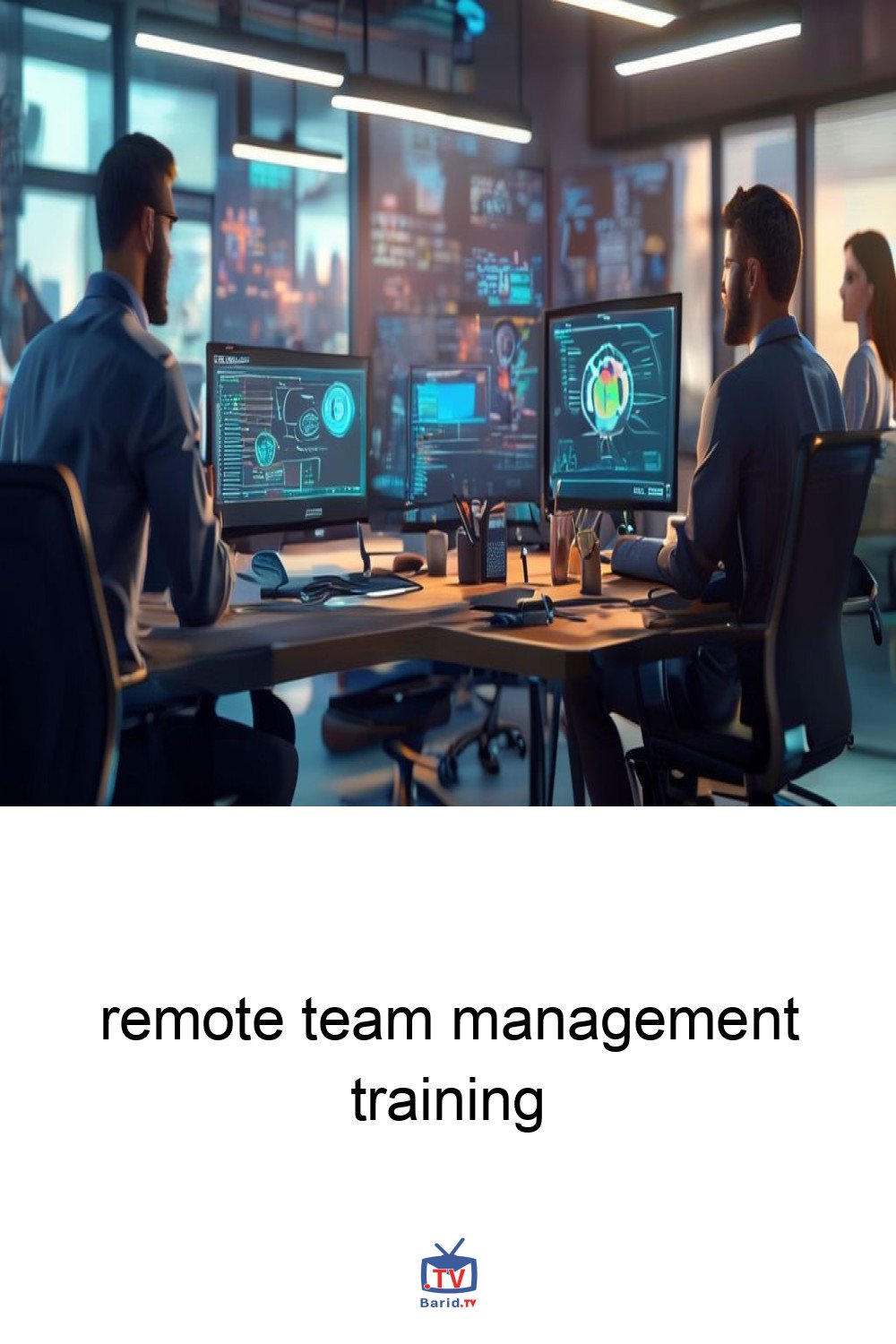
Remote Team Management Training: Enhancing Productivity and Collaboration
Introduction
With the rise of remote work, managing a team from a distance has become a significant challenge for many organizations. Effective remote team management is crucial for maintaining productivity, collaboration, and employee engagement. In this article, we will explore the importance of remote team management training and provide tips on how to implement it in your organization.
Benefits of Remote Team Management Training
Improved Communication: Remote team management training helps team members communicate effectively, reducing misunderstandings and miscommunications.
Increased Productivity: By establishing clear goals, expectations, and deadlines, remote team management training helps team members stay focused and productive.
Enhanced Collaboration: Remote team management training encourages collaboration, teamwork, and mutual respect among team members.
Reduced Turnover: Remote team management training helps to build trust, reduce conflicts, and improve job satisfaction, leading to reduced turnover rates.
Cost-Effective: Remote team management training saves time and money by reducing the need for in-person meetings and travel.
Key Components of Remote Team Management Training
Effective Communication Strategies: Teach team members how to communicate clearly, concisely, and respectfully, using tools like video conferencing, instant messaging, and email.
Time Management and Prioritization: Help team members prioritize tasks, set realistic goals, and manage their time effectively, minimizing distractions and procrastination.
Collaboration Tools and Software: Introduce team members to collaboration tools like project management software, virtual whiteboards, and shared document platforms.
Conflict Resolution and Feedback: Teach team members how to resolve conflicts, provide constructive feedback, and maintain a positive and respectful work environment.
Emotional Intelligence and Self-Awareness: Help team members develop emotional intelligence, self-awareness, and empathy, leading to better relationships and decision-making.
Implementing Remote Team Management Training
To implement remote team management training, follow these steps:
Assess Your Team’s Needs: Identify areas where your team needs improvement and develop a training plan tailored to their needs.
Choose a Training Method: Select a training method that suits your team’s learning style, such as online courses, workshops, or coaching.
Provide Regular Feedback: Regularly provide feedback to team members, encouraging them to reflect on their progress and identify areas for improvement.
Lead by Example: Demonstrate effective remote team management skills yourself, modeling the behavior you want to see in your team.
Evaluate and Adjust: Continuously evaluate the effectiveness of your remote team management training and make adjustments as needed.
Conclusion
Remote team management training is essential for maintaining productivity, collaboration, and employee engagement in today’s remote work environment. By implementing effective training programs, organizations can improve communication, increase productivity, and reduce turnover rates.






Comments are closed.