
Copper’s Unprecedented Surge: A Deep Dive into the Red Metal’s Record-Breaking Year
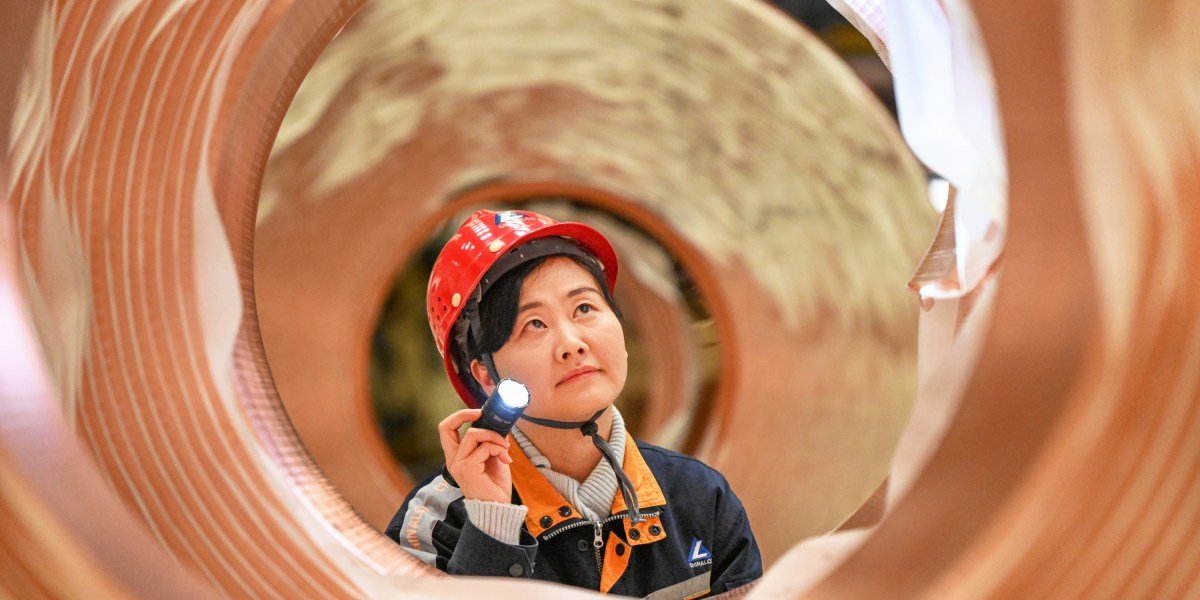
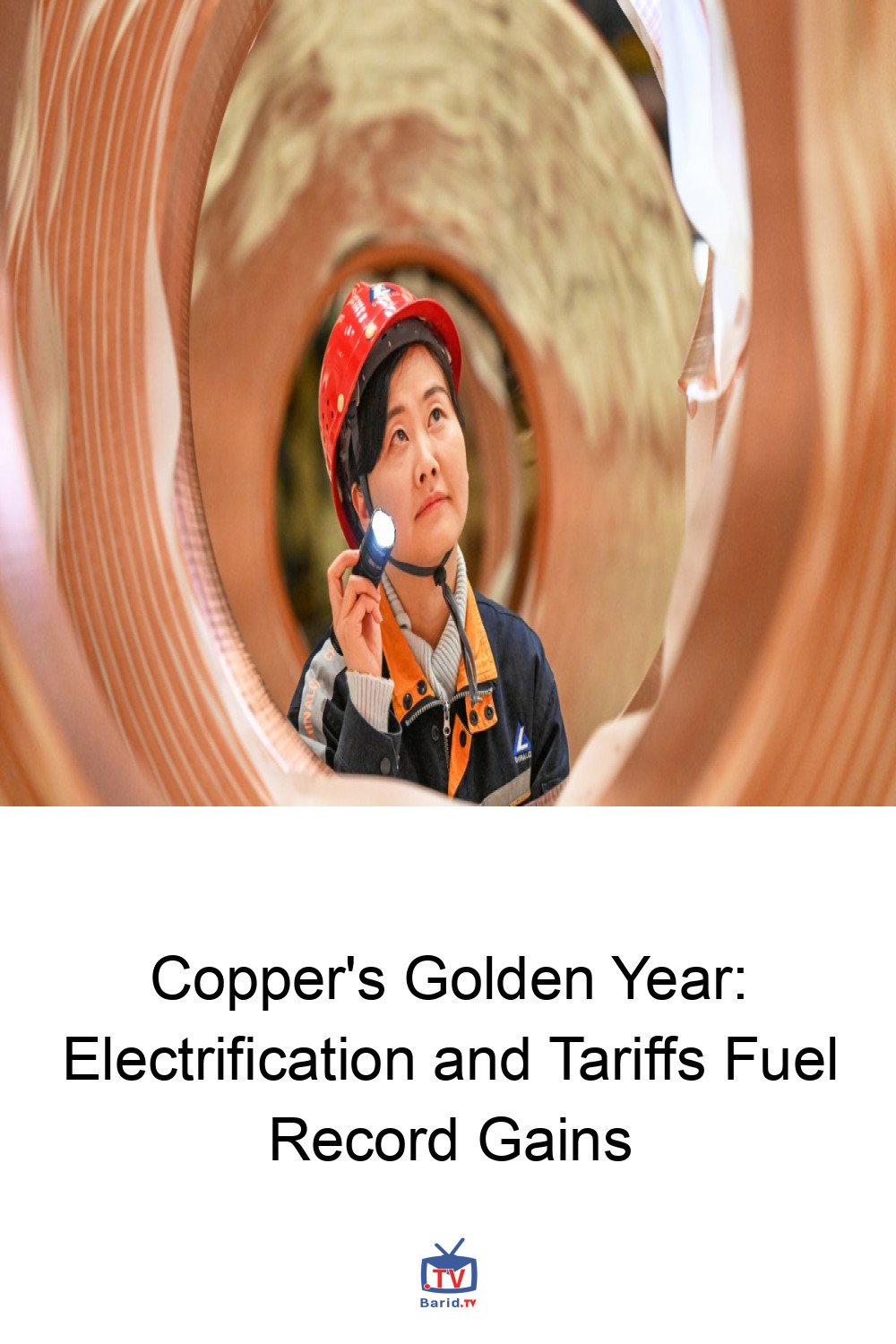
The year 2025 has etched itself into the annals of commodity markets as a landmark period for copper, with the indispensable red metal achieving its most significant annual gains since 2009. Fuelled by a potent cocktail of immediate supply constraints and robust long-term demand projections, copper has emerged as the undisputed star among industrial metals, rallying an impressive 42% on the London Metal Exchange (LME).
The Dual Engines of Growth: Supply Squeeze and Electrification Bets
Copper’s spectacular performance is rooted in a compelling narrative of tightening supply meeting burgeoning demand. The metal, a critical component in the global push towards electrification, has seen its value propelled by expectations that consumption will increasingly outpace production in the years to come. This forward-looking sentiment has been a powerful underlying current throughout the year, culminating in a series of all-time highs.
Tariff Tensions Fueling Arbitrage and Ex-US Tightness
Adding a unique layer of complexity and upward pressure to prices has been the anticipation of potential US tariffs. Traders, eyeing former President Trump’s proposed revisit of primary copper tariffs in 2026, have engaged in a strategic rush to ship vast quantities of copper to the United States. This arbitrage trade, which previously roiled the market earlier in the year, has created significant tightness in availability outside the US, even as underlying demand from key consumer China has shown signs of softening.
“The expectation for future US import tariffs on refined copper has resulted in more than 650,000 tons of metal entering the country, creating tightness ex-US,” explains Natalie Scott-Gray, Senior Metals Analyst at StoneX Financial Ltd. She further highlights the dramatic shift in global stock distribution, noting that a staggering two-thirds of the world’s visible copper stocks are now held within COMEX, underscoring the profound impact of these tariff-driven flows.
Global Supply Shocks Compound Scarcity
Beyond the geopolitical machinations, genuine supply disruptions have further exacerbated the scarcity. A tragic accident at Indonesia’s formidable second-largest copper mine, an unexpected underground flood in the Democratic Republic of Congo, and a fatal rock blast at a Chilean mine have collectively added immense strain to the global availability of copper, reinforcing the market’s bullish outlook.
Navigating China’s Short-Term Headwinds Towards a Green Future
While the immediate growth trajectory for copper demand has been somewhat clouded by economic softness in China, the world’s leading consumer, the long-term outlook remains overwhelmingly positive. China’s protracted property market downturn has dampened the need for copper in plumbing and wiring, and sluggish consumer spending has impacted demand for finished goods like electronic appliances.
However, this near-term weakness is juxtaposed against a backdrop of robust global momentum. BloombergNEF projects a remarkable increase in copper consumption, estimating it could surge by more than a third by 2035 under its baseline scenario. This monumental growth is primarily driven by the accelerating global transition to cleaner energy sources – from solar panels and wind turbines to the widespread adoption of electric vehicles and the essential expansion of power grids. Copper, as the “metal of electrification,” is poised to be at the heart of this transformative shift.
Market Close and Future Prospects
Despite the year’s stellar performance, copper prices saw a slight dip on the last trading day of 2025, settling 1.1% lower at $12,558.50 a ton in London. This followed a recent peak of $12,960 on Monday, underscoring the metal’s volatility even amidst its upward trajectory. As the world increasingly pivots towards a sustainable future, copper’s strategic importance and its market dynamics will undoubtedly remain a focal point for investors and industries alike.
For more details, visit our website.
Source: Link